Powering Resilience: The Role of Renewable Energy in Disaster-Prone Regions
Published on January 9, 2026
Building Resilient Communities: The Role of Renewable Energy in Disaster-Prone Areas
As climate change accelerates, the frequency and intensity of natural disasters such as floods, hurricanes, and wildfires have escalated, posing unprecedented challenges to communities worldwide. In today’s world, the need for building resilient communities has never been more urgent. These disasters not only threaten lives but also destabilize economies, disrupt essential services, and devastate ecosystems.
To combat these challenges, renewable energy has emerged as a critical tool in enhancing the resilience of disaster-prone areas, offering sustainable solutions that go beyond mere survival to enable communities to thrive even in the face of adversity.
Let us explore how renewable energy technologies are being leveraged nowadays to build resilience in communities vulnerable to natural disasters by
- 1) Examining the various forms of renewable energy, such as solar, wind, and hydroelectric power, and their roles in disaster preparedness, response, and recovery.
- 2) Discuss the integration of renewable energy into critical infrastructure, the importance of microgrids, and the policies driving these innovations.
The Rising Frequency of Natural Disasters
The world has witnessed a dramatic increase in natural disasters, with climate change acting as a force multiplier. According to recent reports from the United Nations Office for Disaster Risk Reduction (UNDRR), the number of weather-related disasters has quadrupled since 1980, with significant spikes in the past decade. Hurricanes are becoming more intense, floods more frequent, and wildfires more devastating. This alarming trend underscores the need for robust strategies to protect communities, particularly those in disaster-prone areas.
Natural disasters have far-reaching consequences. Beyond the immediate loss of life and property, these events can cripple local economies, displace populations, and degrade the environment. Traditional energy systems, which are often centralized and reliant on fossil fuels, are particularly vulnerable to disruption during such events. Power outages, fuel shortages, and infrastructure damage can exacerbate the impact of disasters, delaying recovery efforts and prolonging human suffering.
The Role of Renewable Energy in Disaster Resilience
Renewable energy offers a transformative approach to building disaster-resilient communities. Unlike traditional energy systems, renewable energy sources such as solar, wind, and hydroelectric power are decentralized, scalable, and often less vulnerable to the disruptions caused by natural disasters. Moreover, they contribute to long-term sustainability by reducing greenhouse gas emissions and mitigating the impacts of climate change, which is a primary driver of the increased frequency and severity of disasters.
1. Solar Energy: Harnessing the Power of the Sun
Solar energy is one of the most promising renewable energy sources for disaster resilience. Solar power systems can be deployed quickly and flexibly, making them ideal for both emergency response and long-term resilience building. Several innovations in solar technology have enhanced its applicability in disaster-prone areas:
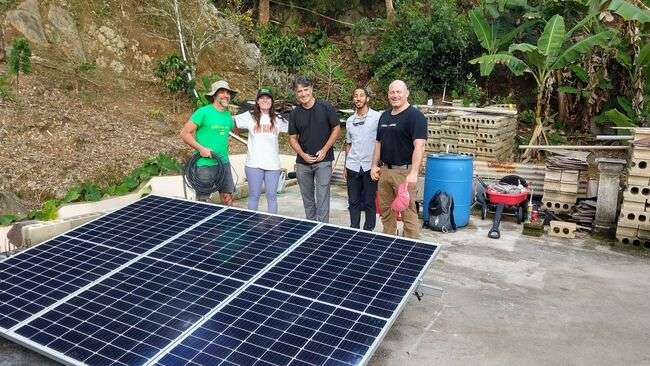
Portable Solar Units: Lightweight and easily transportable, these units can be rapidly deployed in disaster zones to provide immediate power for critical needs, such as medical facilities, communication systems, and emergency shelters. For example, during the aftermath of Hurricane Fiona in the Caribbean in 2022, portable solar units were instrumental in restoring power to remote communities that were cut off from the central grid.
[MV1] Installed solar panels and batteries on homes in
Puerto Rico (nacleanenergy.com)
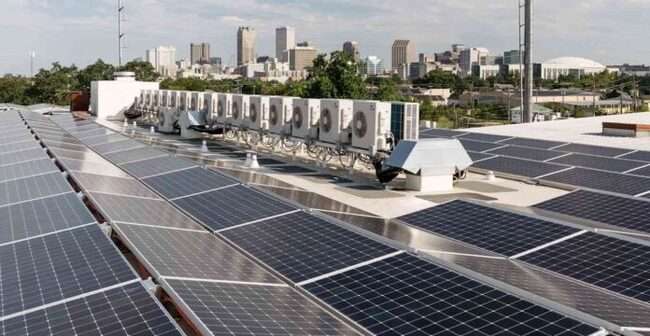
Solar Microgrids: Microgrids powered by solar energy
have proven to be a game-changer in disaster-prone areas. These localized grids
can operate independently from the main power grid, ensuring a reliable energy
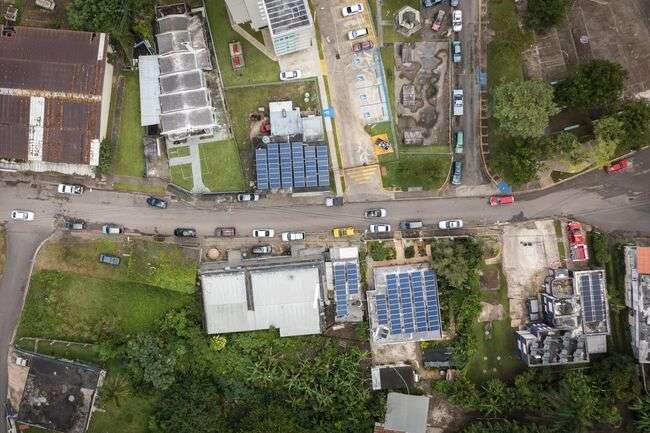
supply even when the larger grid is compromised. In Puerto Rico, where
hurricanes frequently disrupt the main power grid, solar microgrids have been
established in several communities, providing them with continuous power during
storms.
Solar microgrid in New Orleans (goodnewsnetwork.org)

A network of solar panels spread across three rooftops supplying power independently from the larger blackout-prone grid of Puerto Rico (bloomberg.com)
Microgrids that use solar energy can help provide electricity during and after hurricanes when traditional power sources are unavailable. For example, after Hurricane Ian in 2022, microgrids kept power flowing to residential areas, medical facilities, universities, and other businesses in Florida, Georgia, Virginia, and the Carolinas, even though the storm had knocked out power to over 2 million people.
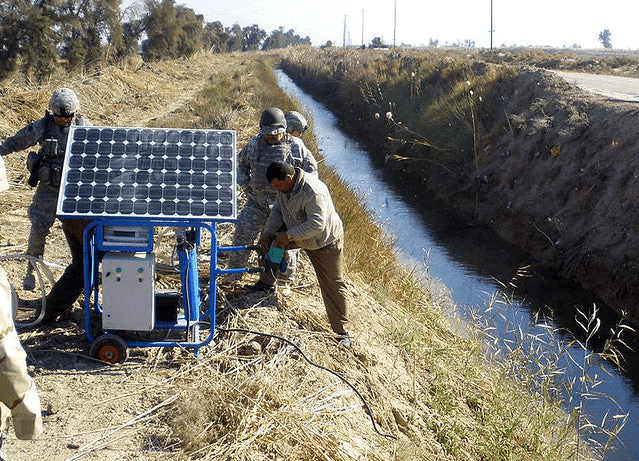
Solar-Powered Water Purification: Access to clean water is often one of the first casualties of a natural disaster. Solar-powered water purification systems have become vital in disaster recovery efforts, providing a sustainable solution to water shortages. In Bangladesh, where flooding is a recurring problem, these systems have been deployed to ensure that flood-affected communities have access to safe drinking water.
 [MV4] Solar water purification (Gosun)
2. Wind Energy: Resilient Power for Coastal and High-Risk Areas
Wind energy is another renewable resource that plays a crucial role in building disaster resilience. Wind turbines, especially those designed to withstand extreme weather conditions, offer a stable power source in areas where other forms of energy generation might fail.
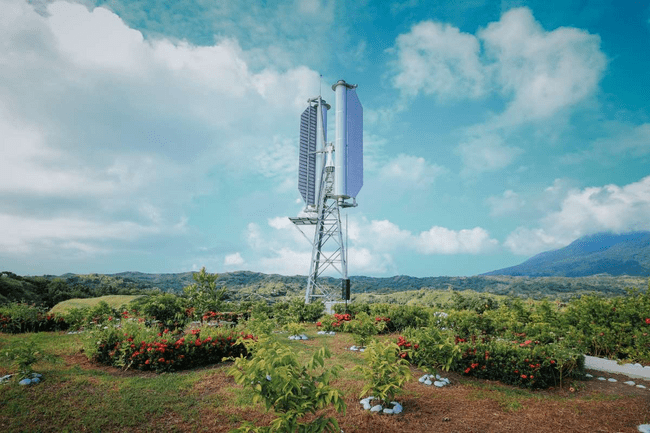
Hurricane-Resistant Wind Turbines: Technological advancements in 2024 have led to the development of wind turbines capable of withstanding the high winds associated with hurricanes and typhoons. These turbines are designed with reinforced blades and towers, ensuring that they can continue to operate even during severe weather events. For instance, in the coastal regions of the Philippines, these turbines have been installed to provide a reliable power source that can withstand the frequent typhoons that strike the area.
 [MV5] Challenergy's turbine in the Philippines withstands 70 m/s winds and
installs without heavy machinery (Image: Challenergy)
[MV5] Challenergy's turbine in the Philippines withstands 70 m/s winds and
installs without heavy machinery (Image: Challenergy)
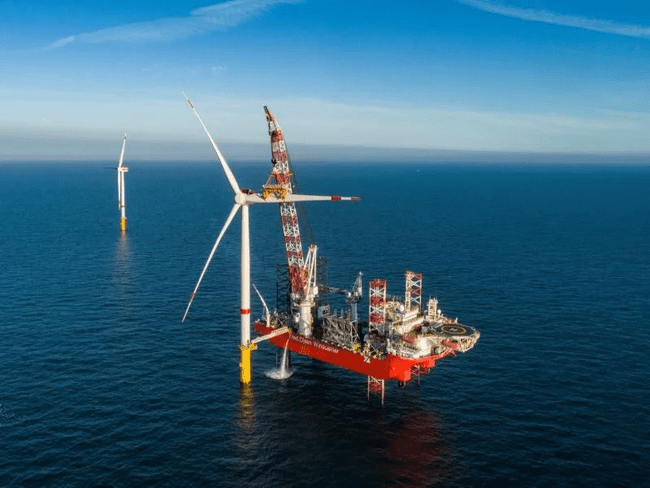
Offshore Wind Farms: Offshore wind farms are particularly resilient to floods and other disasters that affect land-based infrastructure. These farms are positioned away from vulnerable coastal areas, reducing the risk of damage. In the North Sea, a region prone to severe storms, offshore wind farms have been constructed with reinforced structures to ensure that they remain operational even in the harshest conditions.
 Hohe See Offshore Wind Farm, North Sea, Germany (Power
Technology)[MV6]
Hohe See Offshore Wind Farm, North Sea, Germany (Power
Technology)[MV6]
Community Wind Projects: In disaster-prone areas, community-owned wind projects are becoming increasingly popular. These projects empower local communities by providing them with a sustainable energy source that they control.
In the United States, several rural communities in tornado-prone areas have developed wind projects that are designed to be resilient to extreme weather, ensuring that power remains available during and after disasters. The wind turbines are engineered to withstand high winds, with reinforced towers and blades that can lock and tilt to minimize damage during a tornado.
For instance, in states like Oklahoma, Texas, and Iowa, which are known for frequent tornado activity, these wind farms have incorporated advanced design features that allow them to shut off automatically when wind speeds exceed safe thresholds, typically around 55 mph (How Do Wind Turbines Survive Severe Weather and Storms). The turbines can continue operating after a tornado has passed, ensuring that power remains available during and after such disasters. This distributed approach to wind power generation also means that even if a few turbines are damaged, the overall power output of the wind farm is less affected compared to traditional power plants.
3. Hydroelectric Power: Utilizing Water Resources for Resilience
Hydroelectric power, which harnesses the energy of flowing water, is another renewable energy source that can contribute to disaster resilience. While large-scale hydroelectric dams have their challenges, particularly in terms of environmental impact and vulnerability to drought, smaller-scale hydroelectric projects can provide reliable power in disaster-prone areas.
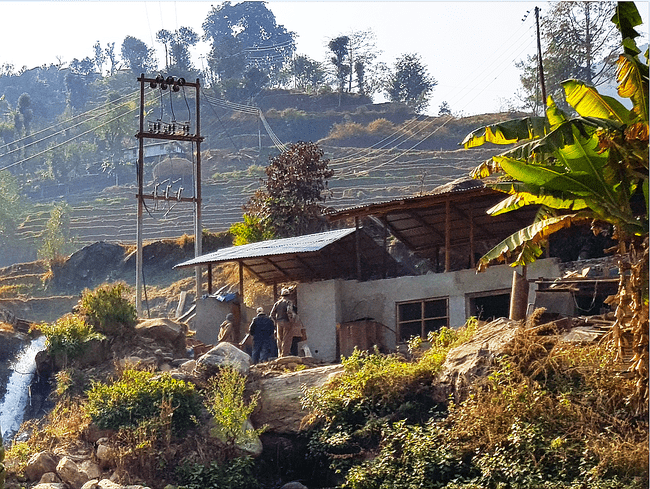
Small-Scale Hydro Projects: These projects, often referred to as micro-hydro or mini-hydro, are less invasive and more adaptable to local conditions than large dams. In mountainous regions where flooding and landslides are common, small-scale hydroelectric systems have been implemented to provide power to isolated communities. In Nepal, where landslides frequently disrupt infrastructure, micro-hydro systems have been deployed to ensure that even remote villages have access to reliable energy.
 [MV7] Micro-hydro project, Nepal (UNDP)
After functioning for over a decade, Nepal's micro hydro projects has now shifted towards integrating these areas into the broader national energy infrastructure.
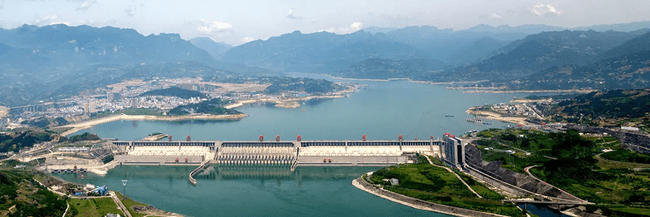
Flood-Resistant Design: Hydroelectric systems can be designed to be resilient to flooding, which is a common disaster in many regions. By incorporating flood control mechanisms, such as spillways and floodgates, hydroelectric dams can help manage water levels during heavy rainfall, reducing the risk of catastrophic floods. The Three Gorges Dam in China plays a crucial role in flood control by regulating water flow on the Yangtze River. Equipped with advanced spillways and floodgates, it helps manage seasonal flooding, protecting millions of downstream residents and agricultural lands from catastrophic floods, especially during heavy monsoon seasons.
 [MV8] Three Gorges Dam (photo courtesy: Xylem)
Hybrid Systems: Combining hydroelectric power with other renewable energy sources, such as solar or wind, can create a more resilient and reliable energy system. In 2024, several hybrid projects have been initiated in regions prone to multiple types of natural disasters. These systems ensure that if one energy source is compromised, others can compensate, maintaining a continuous power supply. The Ubol Ratana Dam in Thailand combines hydroelectric power with floating solar panels, creating a hybrid renewable energy system. This integration ensures continuous energy generation, with solar power utilized during the day and hydroelectricity at night or during cloudy periods, enhancing energy reliability and resilience in varying weather conditions.
 [MV9] Operation of hydro-floating solar hybrid at Ubol Ratana Dam, Thailand
(Hydro Review)
[MV9] Operation of hydro-floating solar hybrid at Ubol Ratana Dam, Thailand
(Hydro Review)
4. Microgrids: The Backbone of Resilient Energy Systems
Microgrids are increasingly recognized as the backbone of resilient energy systems in disaster-prone areas. These decentralized networks can operate independently from the main grid, ensuring that critical services remain powered even during widespread outages.
Islanded Operation: Microgrids can “island” themselves during a disaster, meaning they can disconnect from the main grid and operate autonomously. This capability is crucial in disaster scenarios where the central grid might be damaged or overloaded. In California, a state frequently affected by wildfires, microgrids have been deployed in several communities to maintain power during grid shutdowns for safety reasons. Projects like those in Briceburg and Borrego Springs use solar panels, batteries, and backup generators to function independently from the main grid. These systems ensure continuous electricity during Public Safety Power Shutoffs (PSPS), reducing wildfire risks and enhancing resilience in vulnerable areas. By utilizing renewable energy sources, they offer a sustainable solution to power outages caused by wildfires and related threats.
 [MV10] Remote Grid System - Briceburg, California (New Sun Road)
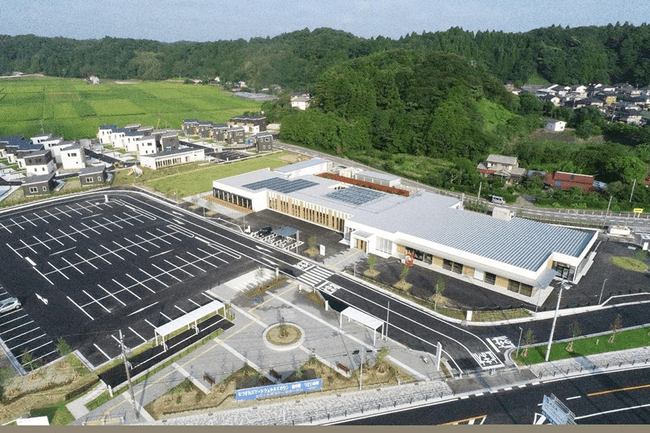
Renewable Integration: Microgrids often integrate multiple renewable energy sources, such as solar, wind, and battery storage, to create a robust and flexible energy system. In Japan, a country highly vulnerable to earthquakes and tsunamis, microgrids combining solar and battery storage have been developed to provide resilient energy solutions for disaster response and recovery. Japan’s Mutsuzawa Smart Wellness Town integrates locally produced natural gas with solar energy, providing an example of how self-reliant energy systems are being implemented across the country. This setup has proven highly resilient during typhoons, ensuring critical facilities remain operational (Self-Reliant Energy Enhances Local Resilience).
 [MV11] Mutsuzawa Smart Wellness Town, Japan (Photo: JAPANGOV)
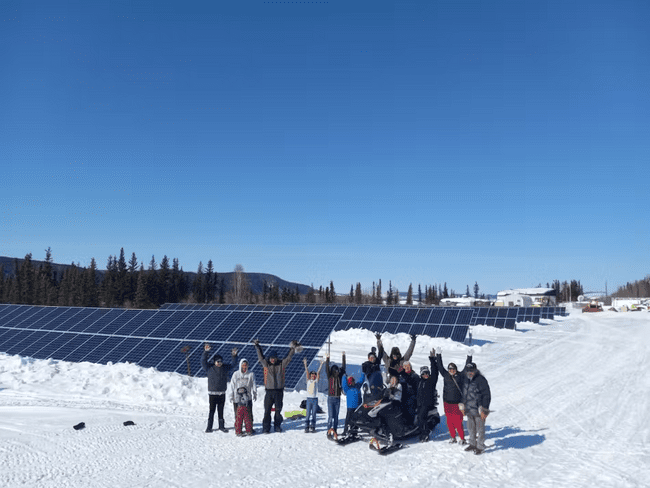
Community Empowerment: Microgrids can be community-owned and operated, giving local populations control over their energy supply. This decentralization not only enhances resilience but also empowers communities to take charge of their energy future. In Alaska, several remote communities have established microgrids powered by wind and solar, reducing their reliance on diesel generators and improving their resilience to extreme weather events.
 [MV12] Solar installation in Alaska, Hughes (Source: MICROGRID
KNOWLEDGE)
[MV12] Solar installation in Alaska, Hughes (Source: MICROGRID
KNOWLEDGE)
Policy and Funding Support in 2024
The advancement of renewable energy as a tool for building disaster resilience has been supported by a range of policies and funding initiatives in 2024. Governments and international organizations have recognized the critical role that renewable energy can play in disaster preparedness and response, leading to the development of frameworks that encourage the integration of renewables into disaster resilience strategies.
In 2024, the Global Resilience Partnership (GRP) launched initiatives supporting renewable energy in disaster-prone areas through funding community projects and microgrids. Countries have also updated their National Renewable Energy Action Plans (NREAPs) to focus on disaster resilience, decentralization, and advanced technologies. Additionally, the Green Climate Fund (GCF) increased investments in renewable energy for vulnerable regions, strengthening climate resilience through sustainable infrastructure. These combined efforts aim to boost renewable integration in disaster response and recovery. Renewable energy is not just a tool for mitigating climate change but a vital component in building disaster-resilient communities.
[MV1]Alt Text: Installed solar panels and batteries on homes in Puerto Rico (nacleanenergy.com)
Alt text: Solar Microgrids in hurricane stricken New Orleans. [MV2]
Alt text: Microgrid in Puerto Rico. [MV3]
Alt Text: The image shows Solar Water Purification process. [MV4]
Alt Text: Typhoon-proof wind turbine [MV5]
Alt Text: Hohe See offshore wind farm in Germany. [MV6]
Alt Text: Small-Scale Hydro projects in Nepal. [MV7]
Alt Text: Three Gorges Dam in China. [MV8]
Alt Text: Hydro-floating solar hybrid system in Thailand. [MV9]
Alt Text: Remote Grid system to provide power during forest fire in California. [MV10]
Alt Text: Mutsuzawa Smart Wellness Town in Japan shows renewable integration. [MV11]
Alt Text: Microgrid in Alaska. [MV12]