Biodiversity Loss in 2024: Can Renewable Energy Projects Provide a Balance?
Published on August 15, 2024
Biodiversity Loss in
2024: Can Renewable Energy Projects Provide a Balance?
In 2024, the world is grappling with two major environmental crises: climate change and biodiversity loss. Both are closely intertwined, with climate change accelerating the extinction of species and disrupting ecosystems. At the same time, the push for renewable energy is essential to mitigate the effects of climate change, yet it can also pose risks to biodiversity if not carefully managed. As the global demand for renewable energy grows, finding ways to balance the need for clean power with the protection of ecosystems has become more urgent than ever.
Let us examine the impact of climate change on biodiversity and how renewable energy projects can be designed to minimize ecological disruption while still providing green power.
The Impact of Climate
Change on Biodiversity
Biodiversity is the foundation of life on Earth. It includes the variety of ecosystems, species, and genetic diversity that sustain the planet's life systems. However, this rich biodiversity is under serious threat due to human activities, particularly climate change.
1. Species Extinction and
Habitat Loss
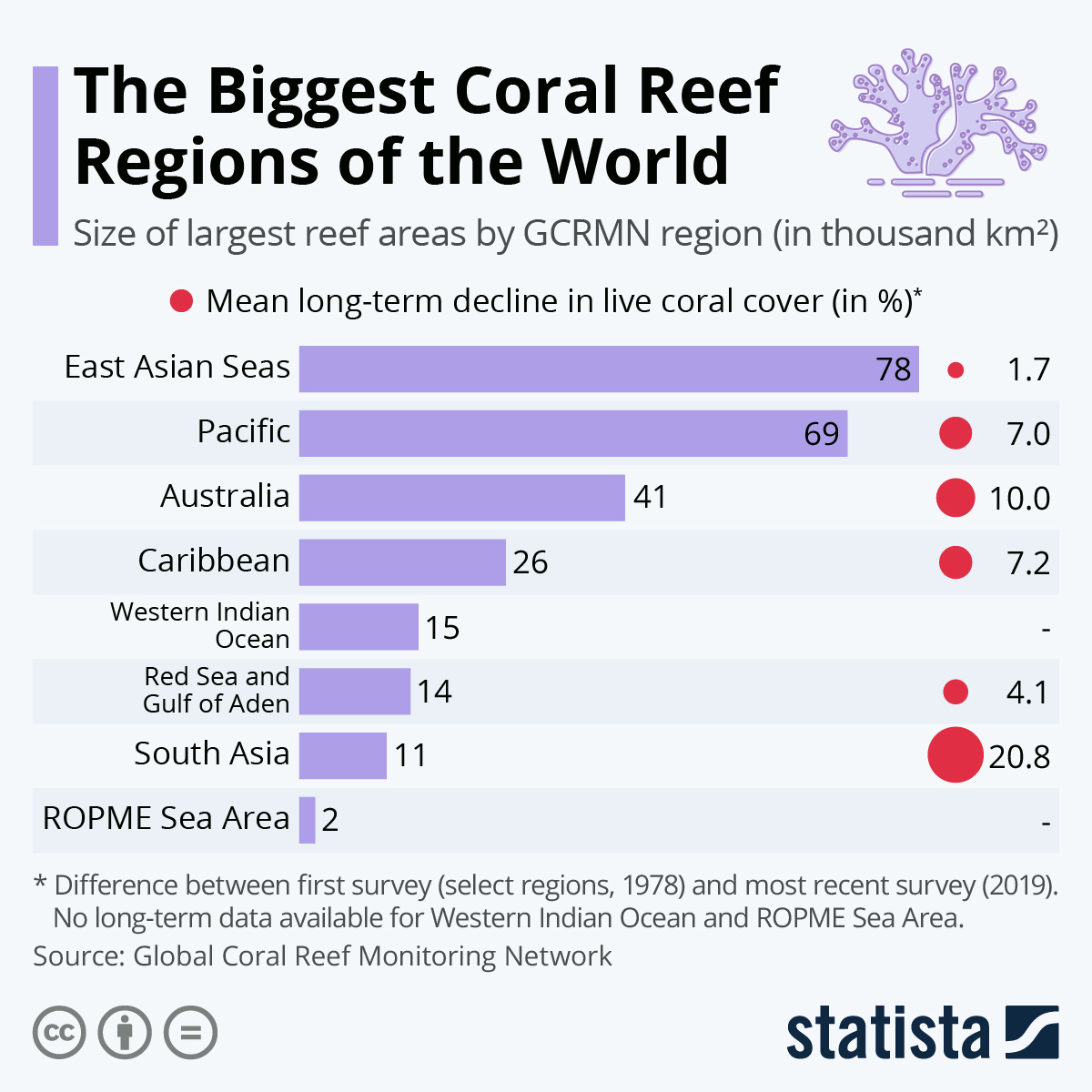
One of the most severe consequences of climate change is habitat destruction. As temperatures rise, ecosystems are disrupted, and many species cannot adapt quickly enough to survive. According to the Intergovernmental Science-Policy Platform on Biodiversity and Ecosystem Services (IPBES), more than 1 million species are at risk of extinction, many within decades. In 2024, species such as polar bears, coral reefs, and amphibians face unprecedented threats due to shrinking habitats, changes in food sources, and altered migration patterns.
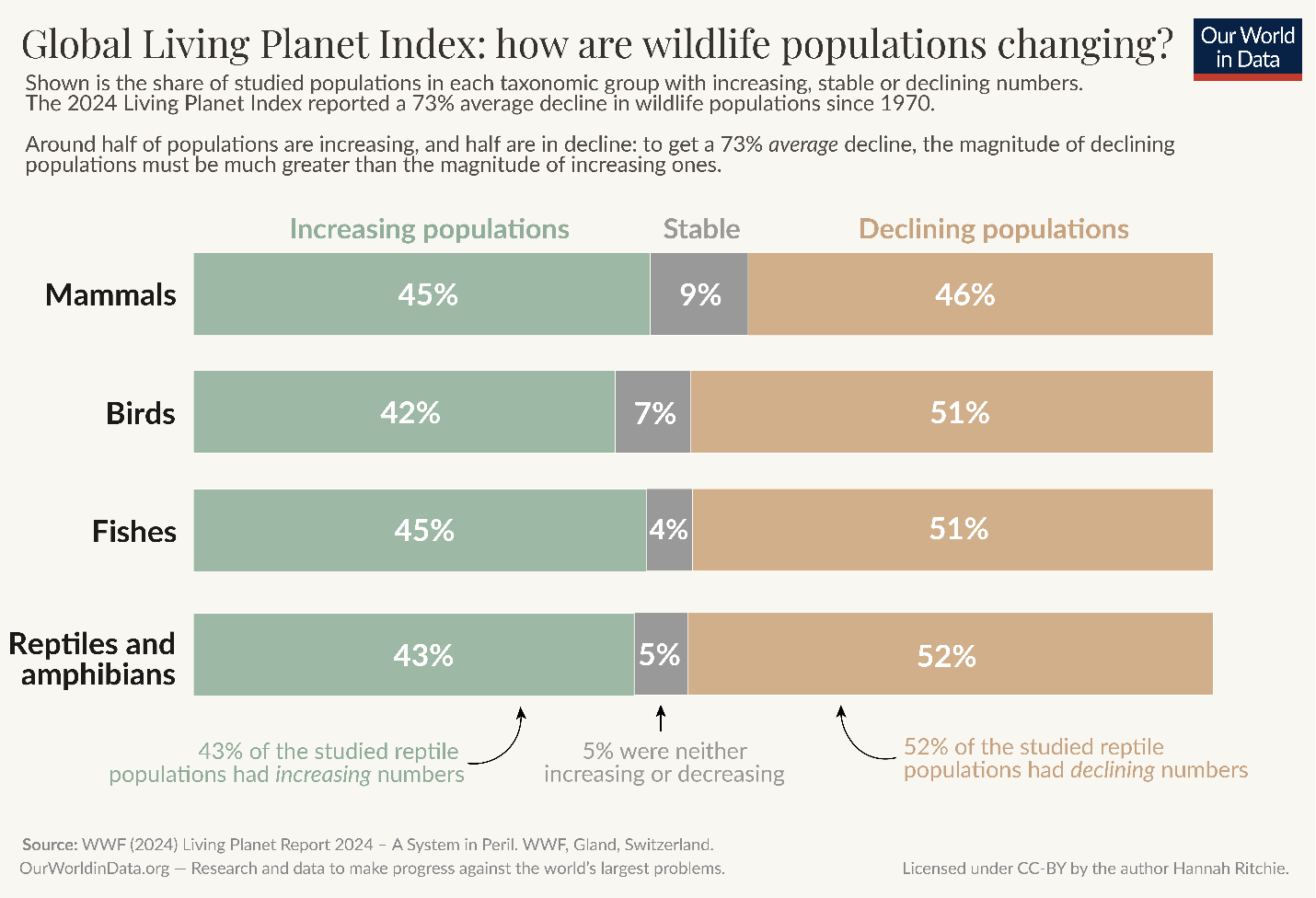
For instance, coral reefs, which house approximately 25% of all marine species, are suffering from coral bleaching caused by rising ocean temperatures. The Great Barrier Reef, one of the world’s largest ecosystems, experienced severe bleaching events in 2024, further threatening the biodiversity that depends on these reefs.
2. Changes in Ecosystems and Migration Patterns
Climate change is altering the timing of seasonal events, such as breeding, flowering, and migration, which can disrupt ecosystems. Migratory species, such as birds and whales, rely on stable environmental conditions for food and habitat along their migratory routes. In 2024, data from the World Wildlife Fund (WWF) revealed that migratory birds in Europe and North America faced disruptions due to changing temperatures, which affected the availability of food at critical stopover points.
Impacts
of climate change on migratory animals
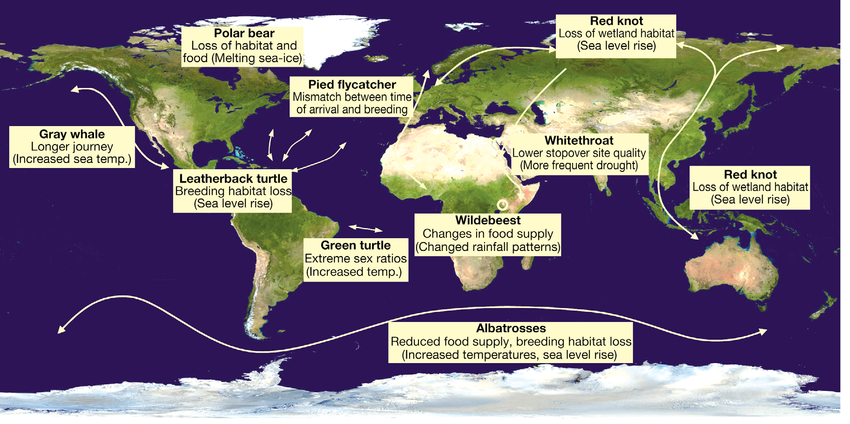
(Travelling through a warming
world: Climate change and migratory species, ResearchGate)
3. Increased Invasive
Species
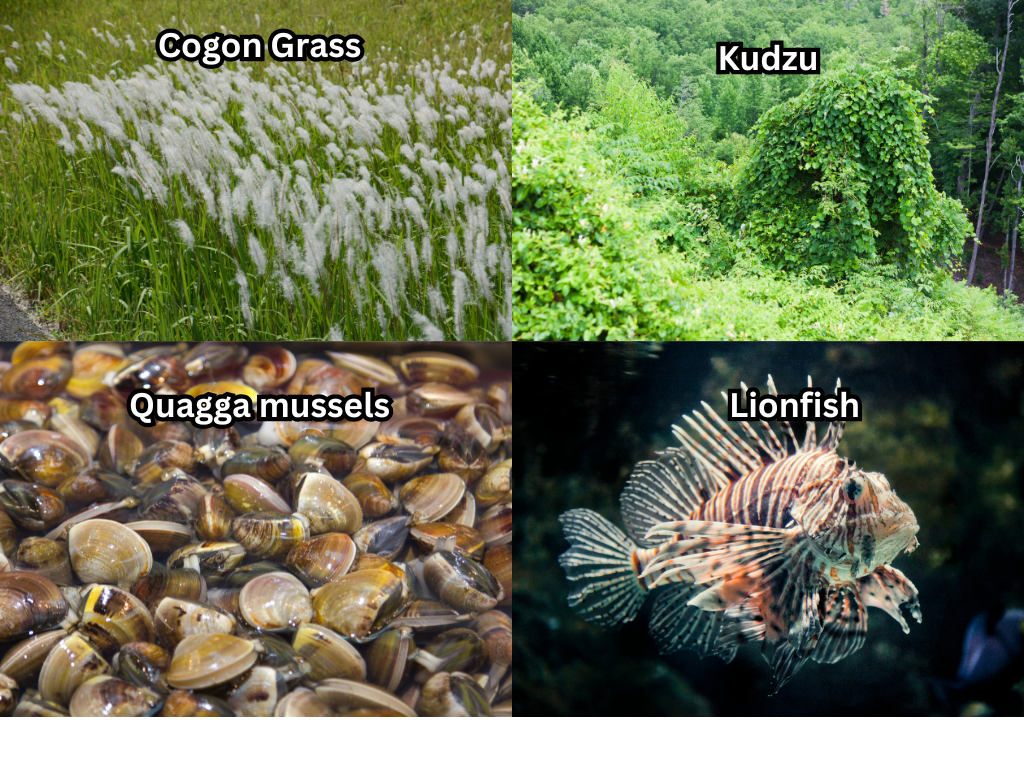
As ecosystems are disrupted, invasive species that thrive in altered environments can outcompete native species, leading to further loss of biodiversity. In 2024, scientists reported that invasive plant species, such as cogon grass in Southeast Asia and kudzu in North America, were spreading at alarming rates, displacing native plants and altering habitats crucial to local wildlife. Invasive species destroy forests, ravage crops, and cause extinctions, making them a growing global threat (Invasive species increasing at ‘unprecedented’ rates: What you need to know)
The Role of Renewable
Energy in Combating Climate Change
Renewable energy is seen as one of the most effective ways to combat climate change and reduce greenhouse gas emissions. Wind, solar, hydropower, and bioenergy are among the key technologies that have been developed and deployed globally to transition away from fossil fuels. By reducing carbon emissions, renewable energy directly mitigates the primary cause of climate change, which in turn helps preserve biodiversity in the long term.
In 2024, renewable energy accounted for 30% of the world's electricity production, with solar and wind energy leading the charge. The International Renewable Energy Agency (IRENA) estimates that by 2030, renewables could account for 50% of global power generation, making it a crucial tool in the fight against climate change.
The Ecological
Disruptions Caused by Renewable Energy Projects
Despite their benefits, renewable energy projects can have unintended consequences for biodiversity. The construction and operation of renewable energy infrastructure, such as wind turbines, solar farms, and hydropower dams, can lead to habitat loss, wildlife disturbance, and even direct harm to species.
1. Wind Energy and Bird
and Bat Mortality
Wind energy is one of the fastest-growing renewable energy sources, but it poses risks to bird and bat populations. Birds, especially migratory species, can collide with wind turbines, leading to fatalities. In 2024, studies from the U.S. Fish and Wildlife Service showed that thousands of birds and bats were killed annually by wind turbines in the U.S., especially in migratory corridors.
However, efforts are being made to reduce this impact. In Spain, where wind energy is a major power source, conservationists and developers have introduced radar systems to detect bird flocks and temporarily shut down turbines to prevent collisions. This mitigation strategy has been successful in reducing bird deaths by up to 70%.
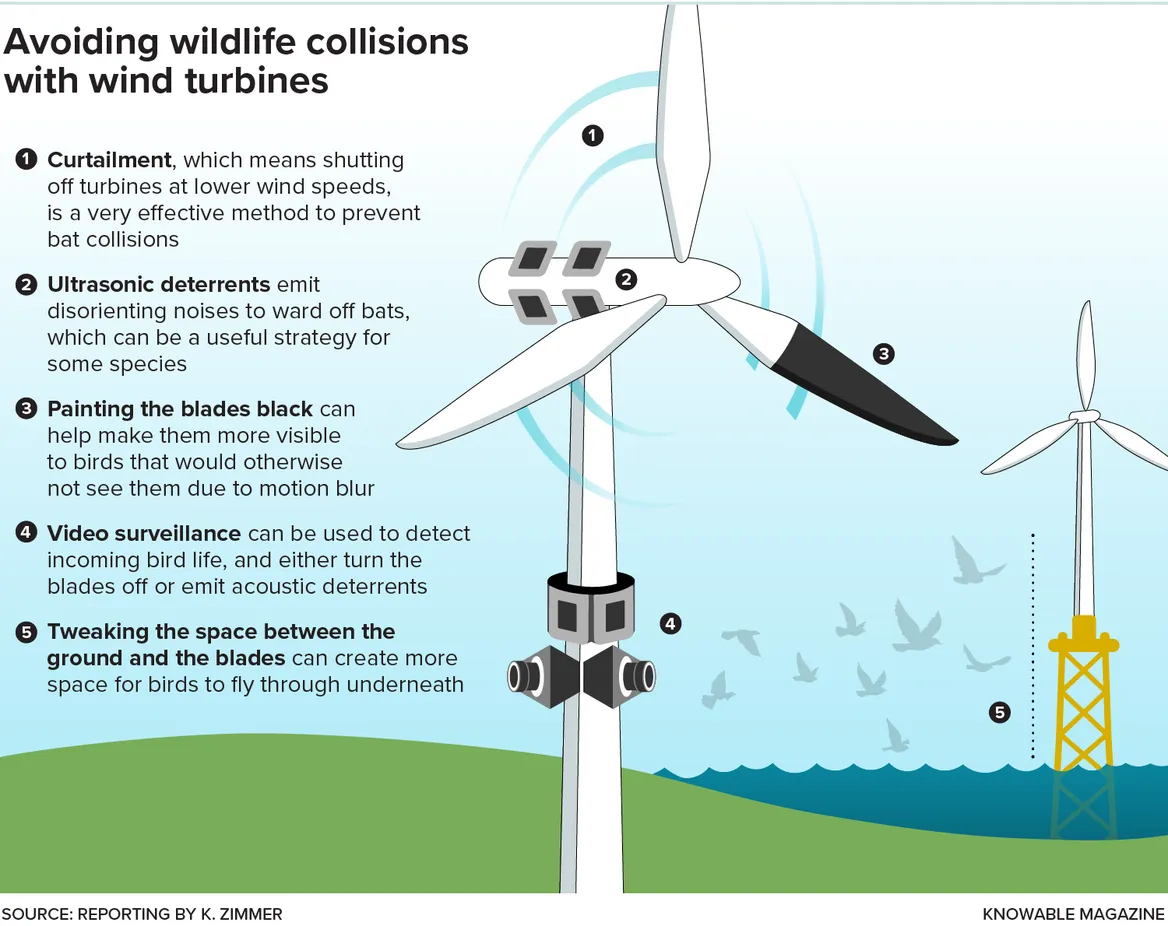
(Source: Canarymedia)
2. Solar Farms and
Habitat Fragmentation
Solar farms require large areas of land, which can lead to habitat fragmentation. In deserts, for example, solar energy projects have disrupted ecosystems by altering land cover and blocking the movement of species. The desert tortoise in the southwestern United States is one species that has been affected by large-scale solar developments.
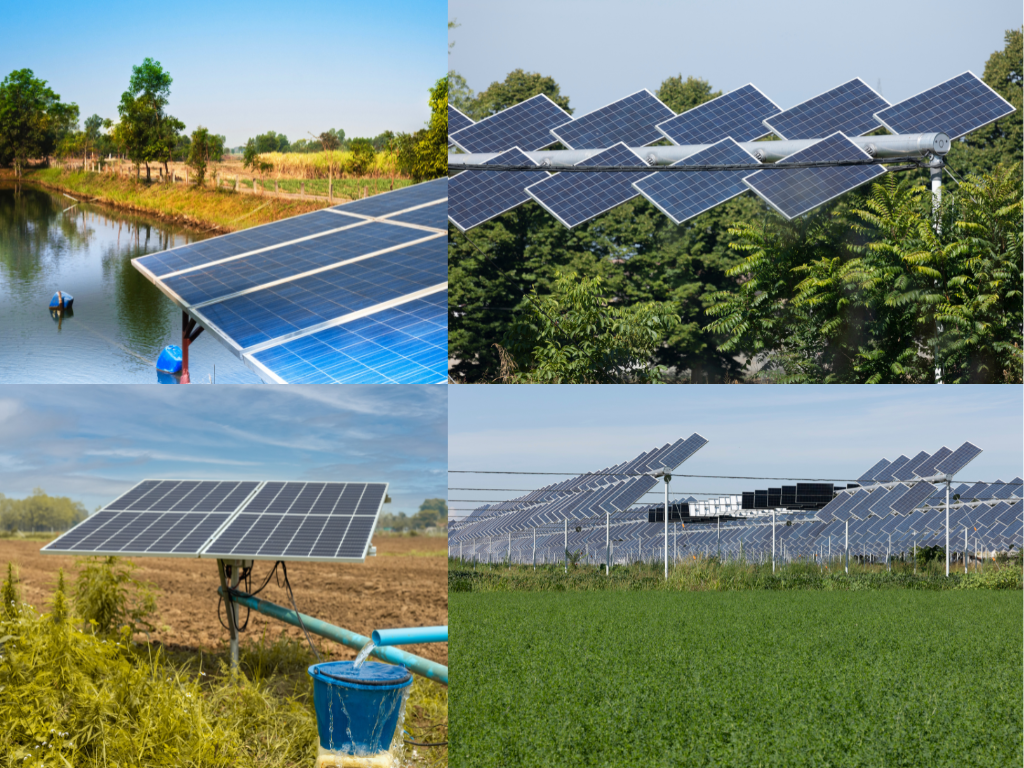
To minimize these impacts, new approaches are being developed. In 2024, Germany launched “agrivoltaic” projects, where solar panels are installed on farmland, allowing for the dual use of land for both agriculture and energy production. This method not only preserves habitats but also supports local biodiversity by maintaining vegetation under and around the solar panels.
3. Hydropower and Aquatic
Ecosystems
Hydropower, which generates electricity by harnessing the energy of flowing water, can have a significant impact on rivers and aquatic ecosystems. Dams built for hydropower can block fish migration, alter water temperatures, and change the flow of nutrients, leading to the decline of freshwater species. In 2024, the construction of new dams in the Amazon basin sparked protests from environmentalists, who warned of the damage to the region’s unique biodiversity.
In response, many countries are now focusing on small-scale, run-of-river hydropower systems that have minimal environmental impact. These systems do not require large dams and can generate electricity while allowing fish migration and maintaining the natural flow of rivers.
Designing Renewable
Energy Projects to Minimize Ecological Disruption
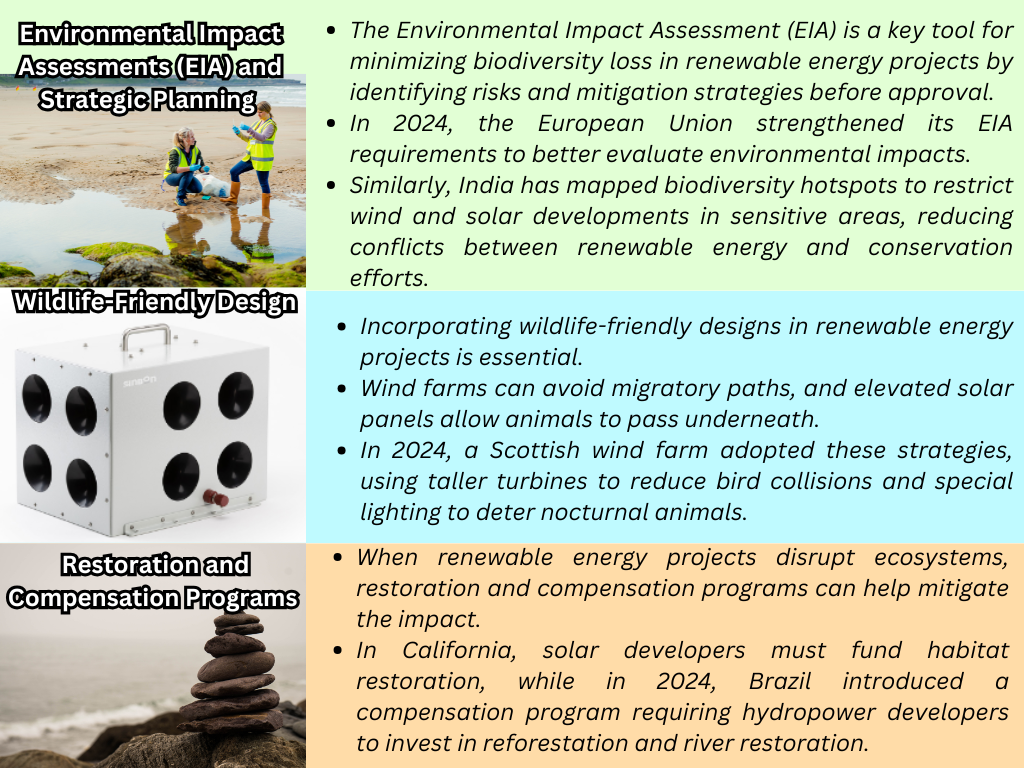
To address the biodiversity
risks associated with renewable energy, many countries and companies are
adopting strategies that minimize ecological disruption while still providing
green power.
Striking a Balance
Between Renewable Energy and Biodiversity Protection
In 2024, the world faces the challenge of transitioning to renewable energy while protecting biodiversity. Though renewable energy is crucial for combating climate change, it can harm ecosystems if not managed well. Fortunately, solutions like smarter project designs and restoration efforts are being implemented to reduce environmental impact. By prioritizing biodiversity along with clean energy, we can ensure a sustainable future for both the climate and ecosystems.