“No PUC, No Fuel”: Delhi’s GRAP-IV Crackdown and the Limits of Emergency Pollution Control
Published on January 3, 2025
“No PUC, No Fuel”: Delhi’s
GRAP-IV Crackdown and the Limits of Emergency Pollution Control
Delhi’s recurring winter air pollution crisis has once again pushed authorities to activate emergency measures under the Graded Response Action Plan (GRAP). With air quality slipping into the severe category, the government has ordered strict controls to curb emissions, including a significant move under Stage IV of GRAP that bars vehicles without a valid Pollution Under Control (PUC) certificate from refuelling at fuel stations. This decision highlights the growing urgency to tackle vehicular pollution and protect public health, while also bringing renewed attention to how GRAP functions as Delhi’s key framework for responding to escalating air pollution levels.
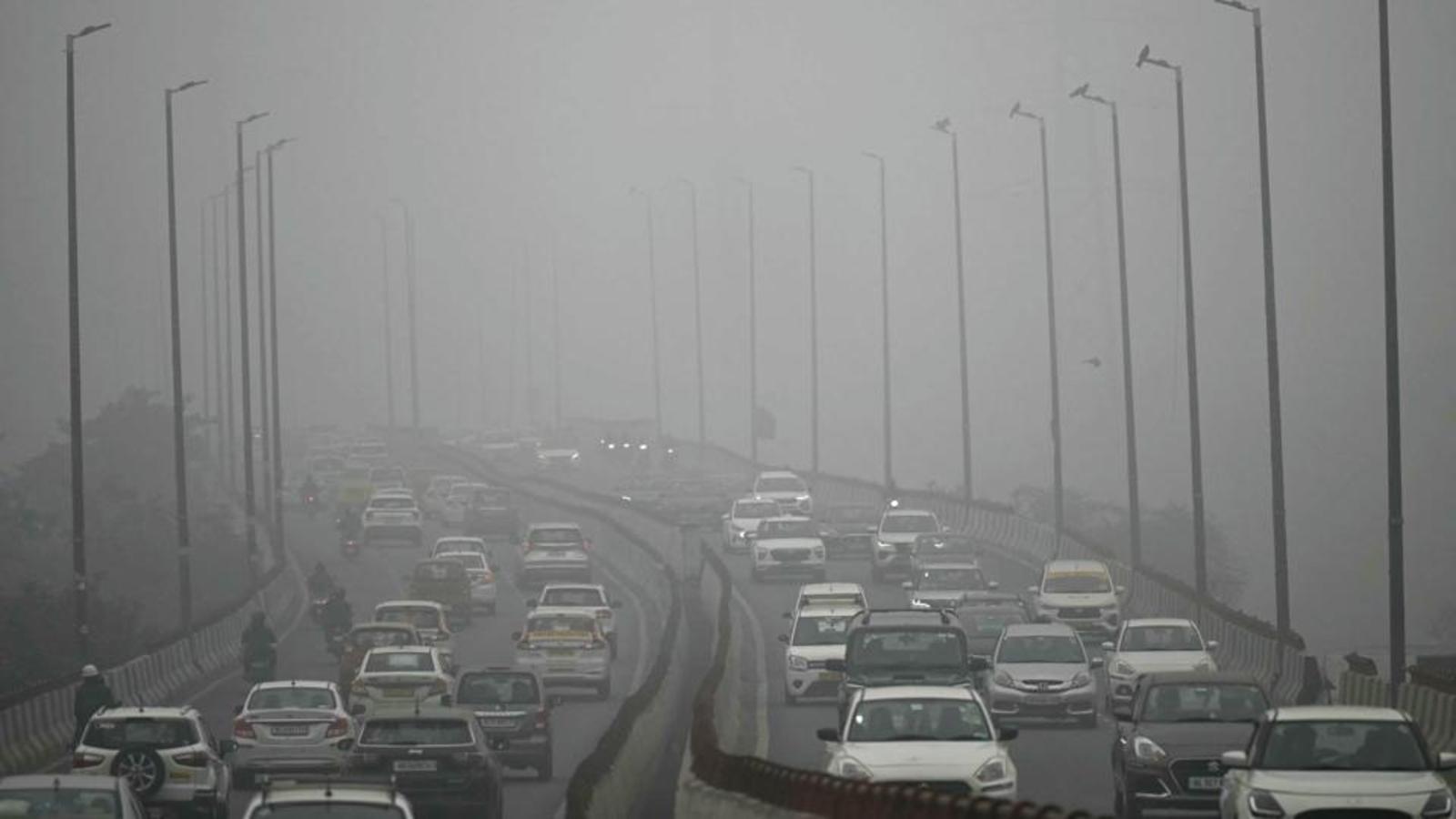
Source: India News
As a part of Stage IV of the Graded Response Action Plan (GRAP), vehicles without a valid Pollution Under Control (PUC) certificate will not be allowed to refuel at petrol/diesel/CNG stations in Delhi. Enforcement is active across fuel stations, with officers deployed to ensure compliance.
Why This Rule Was Introduced?
· The aim is to reduce vehicular emissions, which are a major contributor to winter smog in Delhi-NCR.
· Denying fuel to vehicles without a current PUC incentivises owners to maintain emission standards, instead of driving polluting vehicles on city roads.
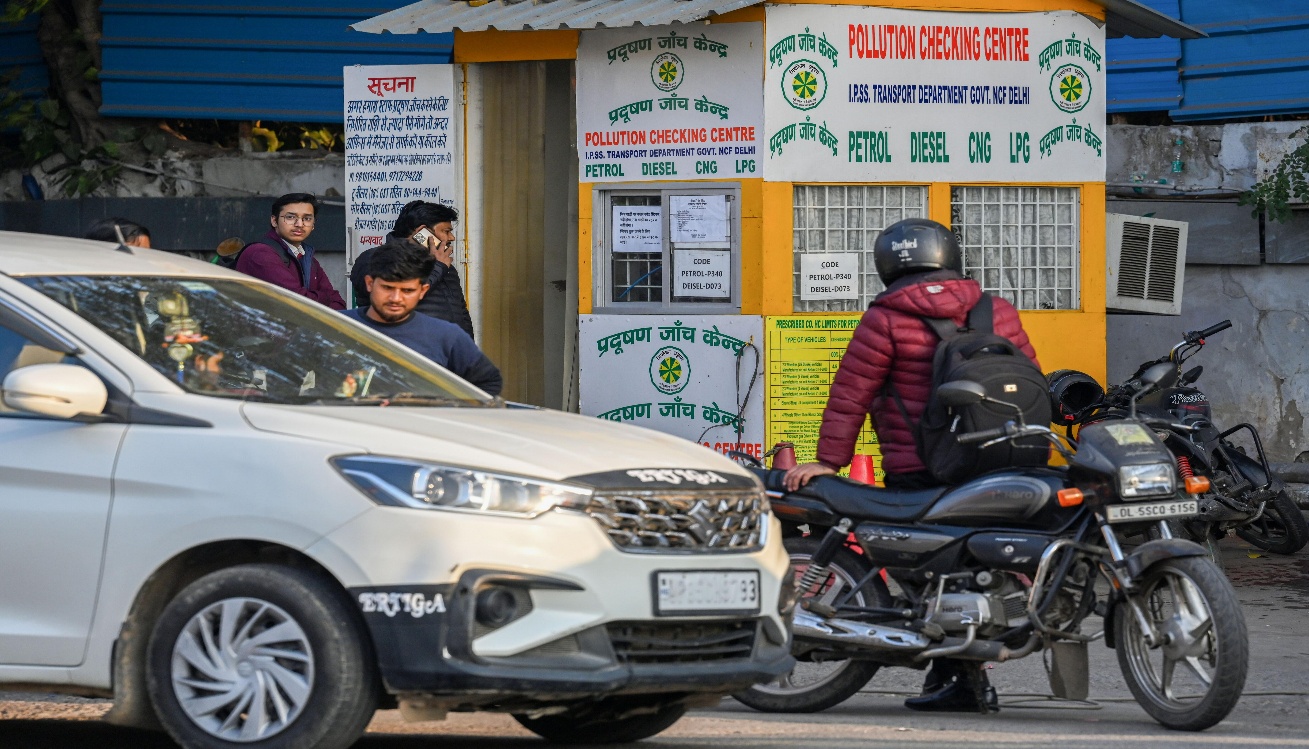
Source: hindustantimes
PUC Certificate Basics
· Issued after an emissions check at authorised centres.
· Ensures that a vehicle’s emissions meet government limits.
· Validity and fees can vary; typically issued every 6–12 months depending on vehicle type and standards in force.
According to recent statements, the government plans to retain the “No PUC, No Fuel” rule even after GRAP-IV is lifted, to keep pressure on emission compliance.
What Is GRAP (Graded Response
Action Plan)?
Overview
· The Graded Response Action Plan (GRAP) is a tiered emergency framework for tackling rising air pollution in the Delhi-NCR region.
· It triggers specific control actions automatically as air quality worsens, based on the Air Quality Index (AQI).
Origin & Implementation
· GRAP was formulated following a Supreme Court order (M.C. Mehta v. Union of India, 2016) and first notified in 2017.
· It is implemented by the Commission for Air Quality Management (CAQM) in coordination with central and state authorities.
Stages of GRAP & What
Actions They Trigger
GRAP has 4 stages based on AQI categories, with progressively stricter measures:
|
Stage |
AQI Range |
Typical Actions |
|
Stage I – Poor |
201–300 |
Road dust control, enforce PUC norms, ban on burning waste. |
|
Stage II – Very Poor |
301–400 |
Ban on DG sets, targeted actions in hotspots. |
|
Stage III – Severe |
401–450 |
Restrict older vehicles, halt non-essential construction. |
|
Stage IV – Severe+ |
Above ~450 |
Emergency controls such as fuel restrictions, school closures, WFH orders, vehicle bans. |
The current Delhi measures including “No PUC, No Fuel” are being enforced under Stage IV, reflecting very severe/ severe+ pollution levels in the city.
Why Delhi Faces Severe Winter Pollution
Delhi typically faces its worst air quality between October and January due to a combination of:
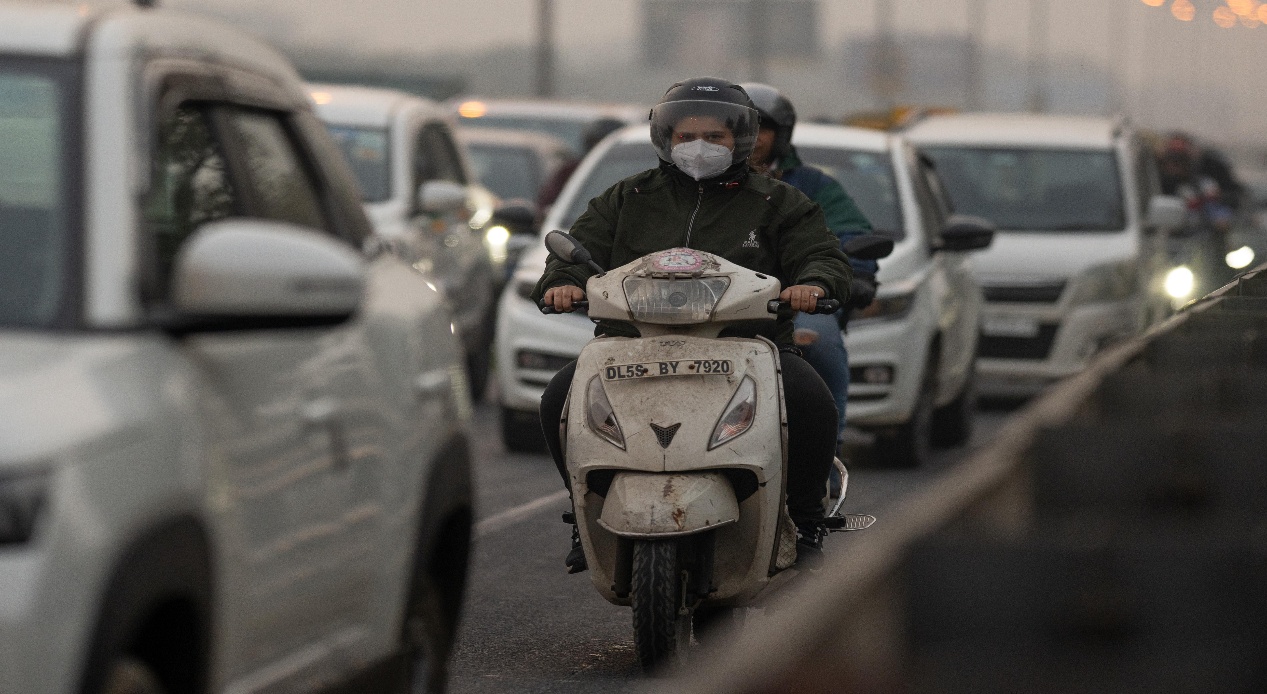
· Vehicular emissions (a significant source of PM2.5/NO2).
· Crop-residue burning in neighbouring states (especially Punjab & Haryana).
· Cold weather + low wind conditions that trap pollutants close to the ground.
· Construction dust and household heating.
When AQI reaches ‘Severe’ or worse, it poses serious health risks, especially for children, elderly and those with respiratory issues.
Key Additional Measures Taken Under GRAP-IV
Along with the “No PUC, No Fuel” rule, Delhi has implemented:
✅ Ban on non-BS-VI vehicles registered outside Delhi during GRAP-IV.
✅ Mandatory 50% work from home for government and private offices.
✅ School closures or hybrid classes for younger students.
✅ Construction activity restrictions and fines for violations.
These are all intended to reduce emissions, traffic and exposure to polluted air.
The Delhi government has decided to continue the “No PUC, No Fuel” policy year-round, even after the Graded Response Action Plan (GRAP) Stage-IV restrictions are lifted. Under this policy, vehicles without a valid Pollution Under Control (PUC) certificate will not be allowed to refuel at petrol/diesel stations, regardless of the air quality situation. The decision was approved by the Delhi Cabinet as part of broader pollution-control measures. As a part of expanded efforts, four new automated vehicle testing stations will be opened, and enforcement actions against polluting industrial units continue. Additionally, over 800 polluting units have faced action, and many have been sealed or issued closure notices to strengthen overall compliance with pollution norms.
Emergency Measures Are
Necessary, but Not Sufficient
The continuation of the “No PUC, No Fuel” policy beyond GRAP-IV marks an important shift from short-term emergency response to sustained enforcement against vehicular pollution. Strengthened monitoring of PUC centres, action against polluting industrial units, and the rollout of automated vehicle testing stations signal the government’s intent to improve compliance and accountability.
However, these measures alone are not enough to address Delhi’s chronic air pollution problem. GRAP remains largely reactive, activated when pollution reaches dangerous levels rather than preventing it at the source. Long-term improvement will require stronger structural actions, including faster transition to clean mobility, tighter controls on construction and industrial emissions year-round, effective management of crop residue burning, expansion of public transport, and coordinated regional action across the NCR and neighbouring states.
Without sustained preventive strategies and systemic reforms, emergency measures under GRAP will continue to offer only temporary relief, leaving Delhi trapped in a recurring cycle of severe winter pollution and health risk.