Garbage Burning in Chennai's Suburban Panchayats: An Urgent Public Health and Environmental Concern
Published on September 17, 2026
Garbage Burning in Chennai's Suburban
Panchayats: An Urgent Public Health and Environmental Concern
By
Pothirajan Subramanian, Nedungundram Village Panchayat
Every
morning, I step out from my first-floor home hoping to breathe fresh air and
enjoy the natural surroundings of my village. Instead, I am often greeted by
the smoky smell of burning garbage. As a resident of Nedungundram Village
Panchayat, now under Vandalur Taluk, I find this deeply disturbing.
Our
village is blessed with natural assets, including a small hill, water bodies,
and its close proximity to the Vandalur Zoo forest area. Yet, despite these
environmental advantages, many residents begin their day inhaling polluted air
caused by the routine burning of garbage.
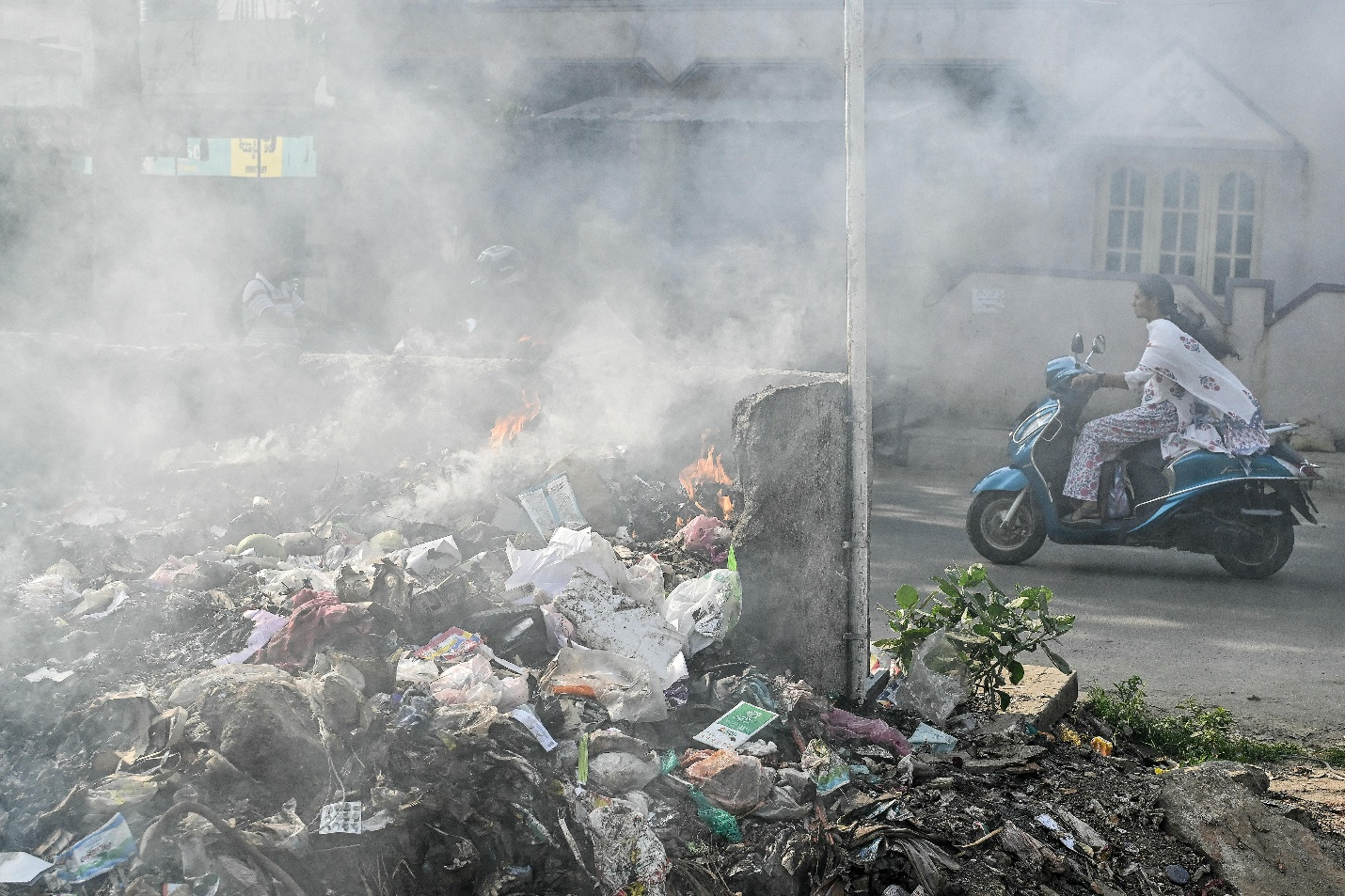
On
several occasions, I have approached sanitation workers and requested them not
to burn waste. The response is often the same: they claim they are merely
following instructions to clear accumulated garbage dumps. If this is true, it
reflects a serious failure in waste management practices at the local body
level.
As
citizens, we pay taxes, follow government regulations, and fulfill our civic
responsibilities. In return, we expect local authorities to protect public
health and maintain a clean environment. Unfortunately, that expectation is
often not met.
Among
more than 12,000 village panchayats in Tamil Nadu, only a handful receive
recognition for successful waste management initiatives. The larger question
remains: what about the responsibility of the thousands of other local bodies?
Like
many ordinary citizens, I often wonder whom to approach, where to begin, and
how to push for meaningful change. Yet, like most working people, these
thoughts are quickly set aside as family obligations and professional
commitments take precedence.
My
daily commute from Nedungundram to my workplace in Taramani takes me through
areas such as Tambaram Eastern Bypass, Thiruvancheri, Kovilancheri,
Madambakkam, and Chithalapakkam. Throughout this journey, I frequently
encounter the same problem: smoke and foul odors from openly dumped and burned
garbage. This is not an isolated issue. It has become a common sight across
many suburban areas surrounding Chennai.
The
Nature of the Problem
The
root cause appears to be inadequate solid waste management. Instead of
collecting, segregating, processing, and disposing of waste scientifically,
open dumping and burning are often used as a quick and inexpensive method of
disposal.
The situation becomes particularly dangerous when mixed
waste containing plastics, rubber, packaging materials, and other
non-biodegradable items is burned. Such activities can release harmful
pollutants, including fine particulate matter and toxic emissions, which
degrade air quality and pose risks to public health.
Impact
on Public Health
Exposure
to smoke from open garbage burning can cause or aggravate a range of health
problems, including:
|
· Eye irritation and watering. · Throat irritation and
persistent coughing. · Headaches and nausea. · Respiratory illnesses. · Increased risks for people
with asthma and other lung conditions. |
|
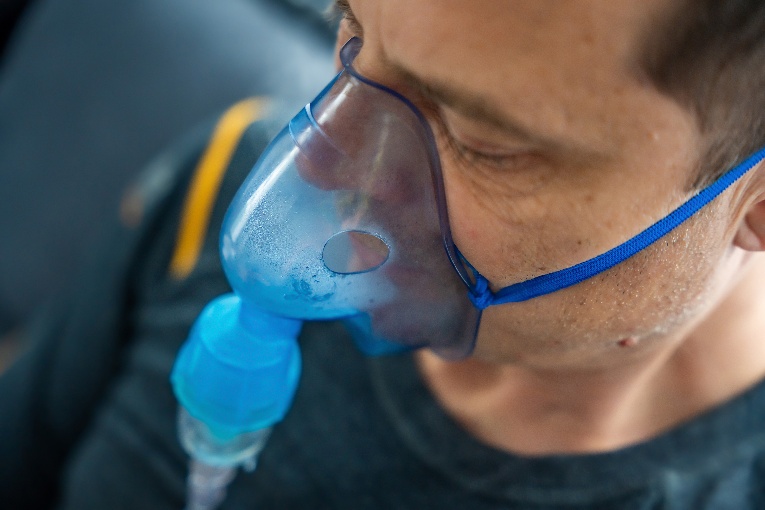
Children,
elderly citizens, and individuals with pre-existing respiratory or other health
conditions can be particularly vulnerable to air pollution.
When garbage is burned near residential areas, smoke often lingers for hours,
making daily life uncomfortable and unhealthy. Ironically, even those involved
in burning waste are exposed to the same health risks.
Why
Does It Continue?
Despite
the requirement for source segregation, poor implementation can result in mixed
waste reaching collection points and dumping sites. This makes the waste more
difficult to process and can encourage improper disposal practices such as open
burning.
Residents across many suburban areas have repeatedly raised objections.
However, the persistence of the problem suggests inadequate monitoring, weak
enforcement, and insufficient accountability.
Waste
Segregation: A Responsibility Already Defined
Waste
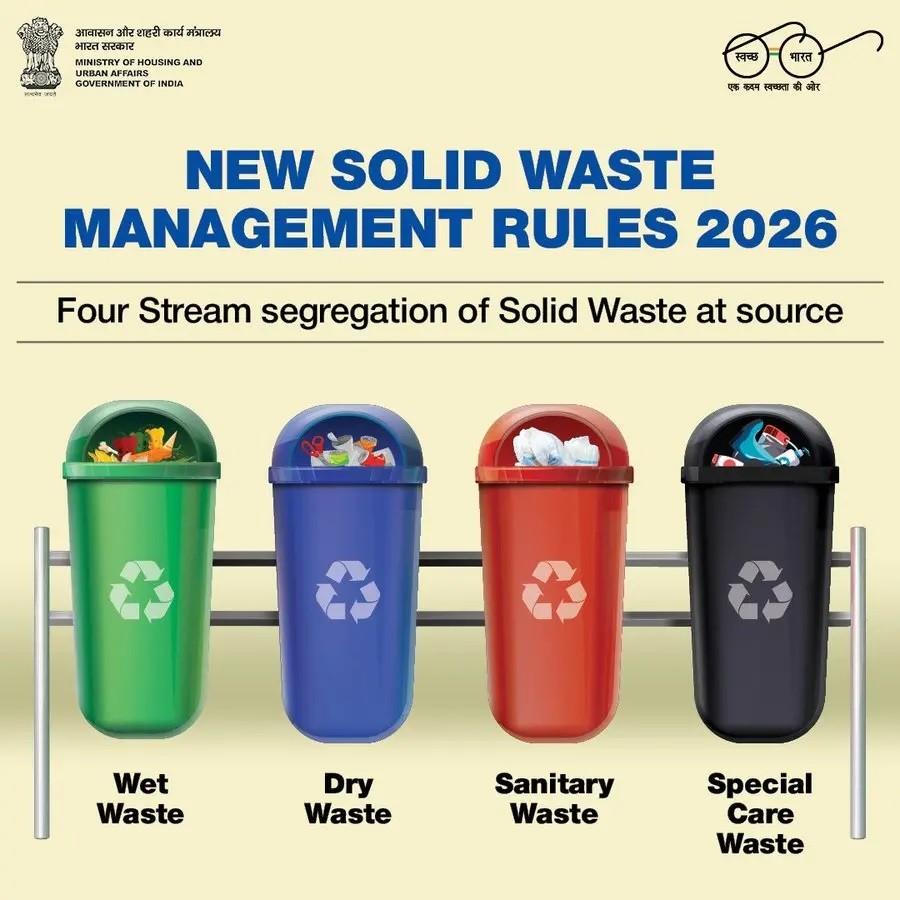
segregation is not merely a recommendation to citizens. Under the Solid Waste
Management Rules, 2026, notified by the Ministry of Environment, Forest and
Climate Change, four-stream segregation at source is mandatory. Waste must be
separated into wet waste, dry waste, sanitary waste, and special care waste.
The rules came into full effect on 1 April 2026.
The rules also clearly define the role of local bodies. They are
responsible for the collection, segregation and transportation of solid waste,
in coordination with Material Recovery Facilities (MRFs) for further sorting
and processing. Importantly, the rules specifically call for special attention
to peri-urban rural areas, which is particularly relevant to the rapidly
developing suburban areas around Chennai.
When segregation is properly implemented, wet waste can be directed for
composting or other biological processing, while dry waste such as plastic,
paper, metal, glass and rubber can be sent to MRFs for sorting and recycling.
Sanitary and special-care waste can be handled through appropriate channels.
The framework is therefore already in place. The real question is
whether it is being implemented effectively on the ground.
If waste is segregated at source, collected separately, transported
properly and processed through designated facilities, there should be far less
need for mixed waste to end up in open dumps or be burned. The continued sight
of garbage burning raises an important question: where is the waste-management
chain breaking down?
Legal
and Civic Accountability
Open
burning of garbage should not be tolerated under any circumstances.
Authorities
should establish simple and accessible complaint mechanisms that allow citizens
to report violations directly to:
- Local Panchayat
Administrations
- District Authorities
- Tamil Nadu Pollution
Control Board (TNPCB)
- Health Departments
- Law Enforcement Agencies
Regular
inspections, public reporting systems, and meaningful penalties are essential
to stop such practices.
At
the same time, local bodies must ensure efficient waste collection,
segregation, transportation, recycling, composting, and scientific disposal of
waste.
Long-Term
Solutions
To
permanently address this issue, the following measures are necessary:
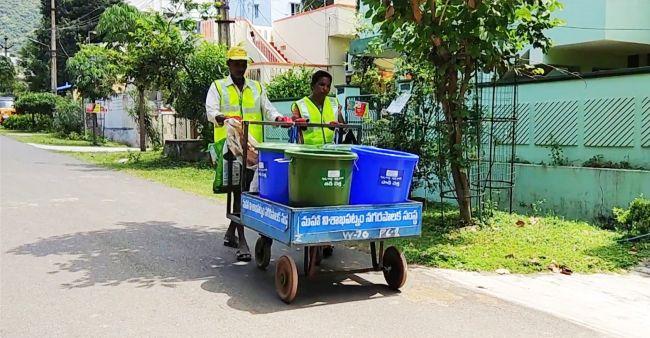
- Effective segregation of
waste at source, supported by separate collection and processing
- Regular door-to-door
collection
- Composting of
biodegradable waste
- Recycling and recovery
of dry waste
- Strong supervision of
sanitation workers and contractors
- Elimination of open
dumping sites near residential areas
- Public awareness
campaigns on waste management
- Strict enforcement
against illegal garbage burning
Only
a structured and scientific waste management system can reduce pollution,
protect public health, and preserve the environment in Chennai’s suburban
panchayats.
Do
Village Panchayats Come Under Pollution Control Regulations?
Yes.
Village
Panchayats are not part of the Pollution Control Board itself, but they are
subject to environmental laws and regulatory oversight. The local body is
responsible for waste collection and disposal, while the Tamil Nadu
Pollution Control Board (TNPCB) is responsible for enforcing environmental
regulations and taking action against violations.
In
simple terms, effective waste management requires coordination between local
bodies responsible for the collection and management of waste and regulatory
authorities responsible for environmental compliance and enforcement.
However,
many citizens feel that enforcement remains weak and that violations often
continue without adequate accountability. Until effective monitoring and strict
implementation become the norm, open garbage burning will remain an unresolved
environmental and public health challenge.
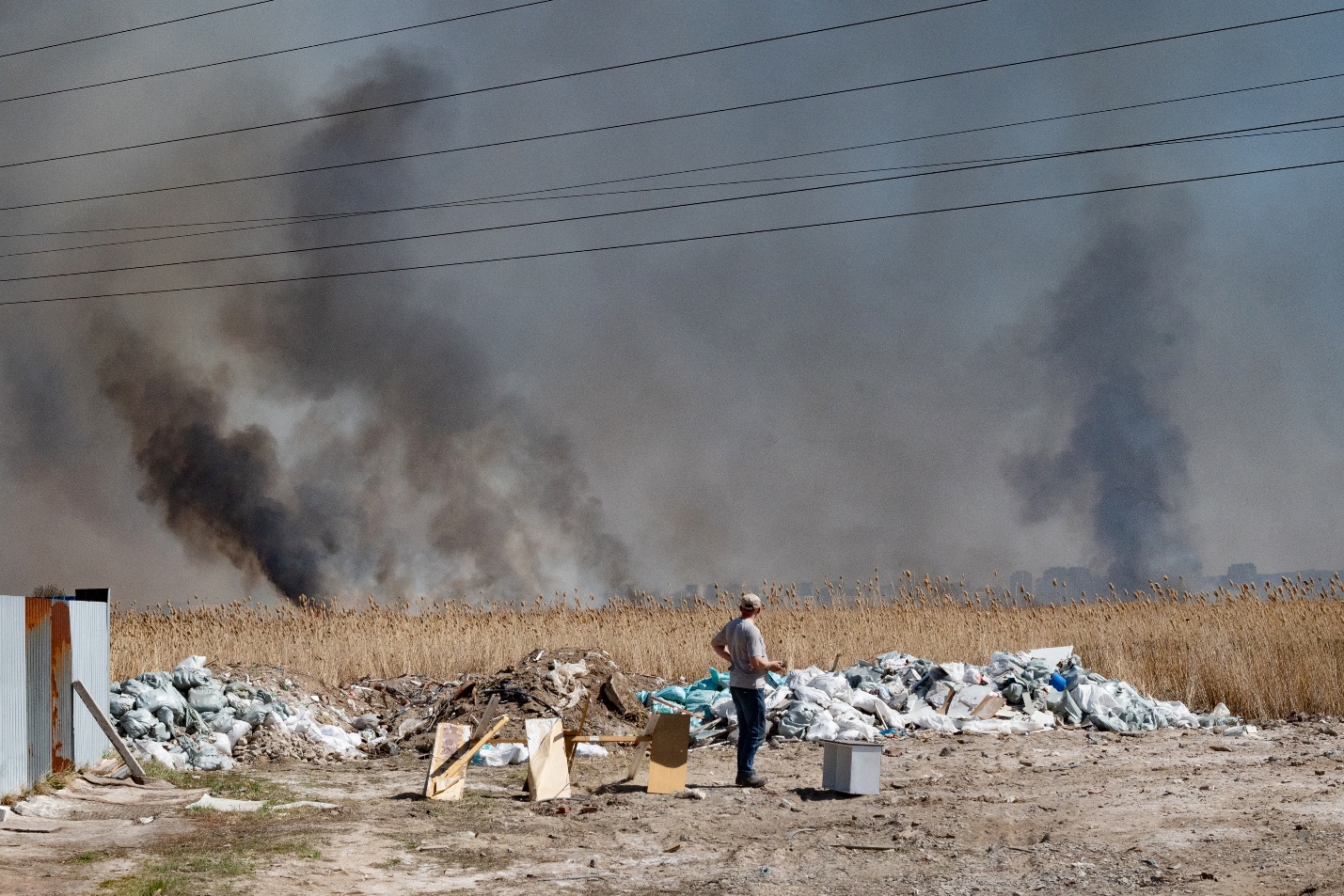
Clean
air is not a luxury. It is essential to the health and well-being of every
citizen. The
time has come for local bodies, pollution control authorities, and policymakers
to ensure that no resident has to begin their day breathing smoke from burning
garbage. Every morning should begin with fresh air-not the smoke of yesterday’s
waste.
Author
Pothirajan
Subramanian
An Experienced IT System Administrator with strong expertise in IT
Support, System Administration, Network Infrastructure, Microsoft 365, Azure,
AWS, and Cyber Security Management.
Alongside his IT career, he is actively involved in IDREA's initiatives
and activities, with a strong interest in environmental health, sustainable
waste management, community awareness, and environmental sustainability.
Through his involvement with IDREA, he contributes to and engages with
initiatives focused on promoting cleaner, healthier and more sustainable
communities.