Losing Wildlife to Climate Change: What You Need to Know and How to Take Action
Published on June 6, 2025
Losing
Wildlife to Climate Change: What You Need to Know and How to Take Action
Climate change
is drastically changing our planet's ecological structure, but the most
overlooked victims are those who cannot advocate for themselves, our
wildlife. Elevated temperatures are forcing species to acclimatize,
migrate, or encounter annihilation. The alteration of several ecosystems,
coupled with severe weather incidents, is contributing to this substantially.
The huge and unparalleled level of disruption (likely caused by
environmental, ecological, and human factors) poses a serious threat to the
entire food chain, potentially leading to its collapse.
1.
Habitat Loss: The Displacement of Species
As global
temperatures rise, longstanding ecosystems are undergoing significant changes.
The Arctic, warming nearly four times faster than the global average, is
experiencing rapid glacial loss. As a result, walruses, Arctic foxes, and
polar bears are facing growing challenges due to the widespread destruction
of their habitats.
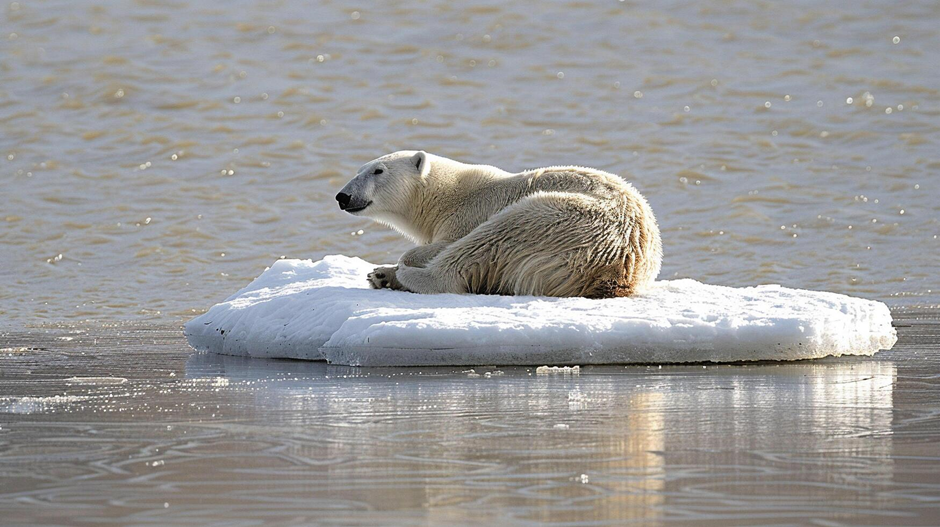
A polar bear stranded on melting ice
(Image Courtesy: Vecteezy)
Likewise, many
wooded ecosystems are undergoing large hardship. Wildfires, coupled with
drawn-out droughts, as well as intense deforestation, are imperiling
species such as the orangutan, koala, along with the jaguar. The
important deterioration of variety in species within these vulnerable
ecosystems is more than an ecological concern, it is an important disruption of
the natural stability that considerably supports human life.
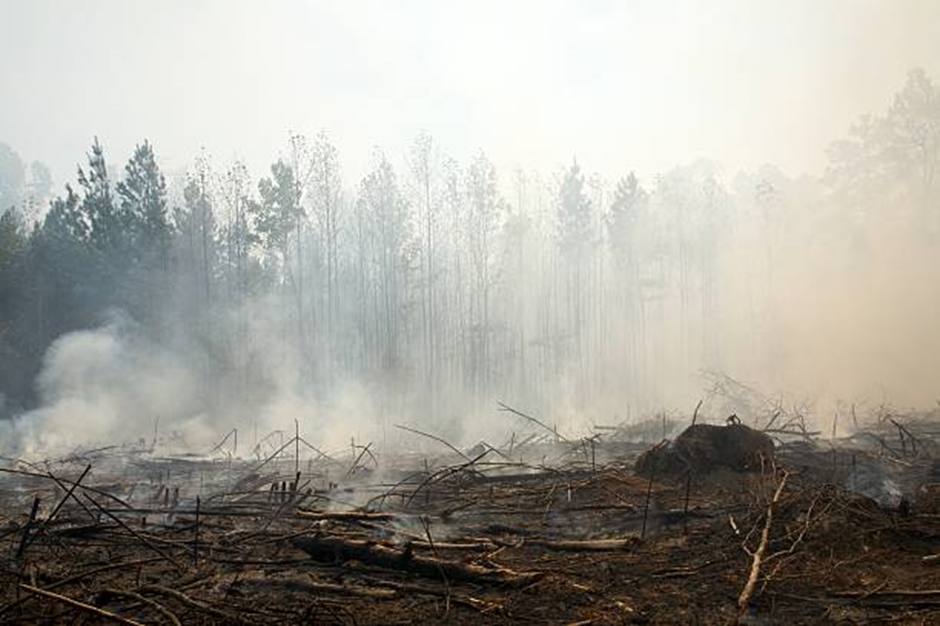
A charred forest with displaced wildlife
(Image Courtesy: iStock Photos)
2.
Disruptions in Migration and Breeding Patterns
Faunal movement
is inherently influenced by meteorological factors. Many bird species,
butterflies, and marine organisms migrate based on temperature, food
availability, and seasonal changes. However, accelerated climate change is
disrupting these natural patterns, creating a mismatch between species and
their food sources.
Birds migrating
at the wrong time due to unpredictable weather may struggle to find food,
potentially leading to population declines. Similarly, as ocean currents warm,
fish populations shift to new habitats, posing a serious threat to both
fisheries and marine predators.
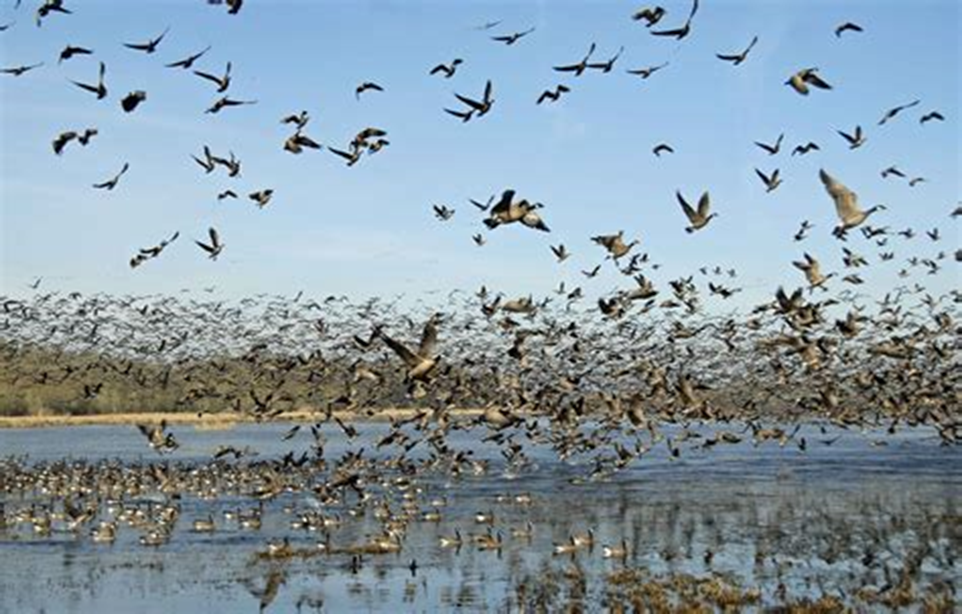
Mass
migration in motion: A vast flock of birds takes flight over a wetland,
showcasing the beauty and complexity of seasonal migration. Climate change is
disrupting these natural patterns, putting many species at risk. (Image
Courtesy: Pixnio)
3.
The Bleaching of Coral Reefs and Marine Ecosystem Collapse
Often referred
to as the "rainforests of the sea," coral reefs support a quarter
of all marine life. However, rising ocean temperatures and acidification
are causing widespread coral bleaching. In the past 30 years, nearly
half of the world's coral reefs have been destroyed, severely impacting
marine biodiversity.
This
devastation extends beyond corals overfishing and pollution further
worsen the crisis, pushing species like sea turtles and clownfish toward
extinction and driving entire marine food chains into rapid decline.
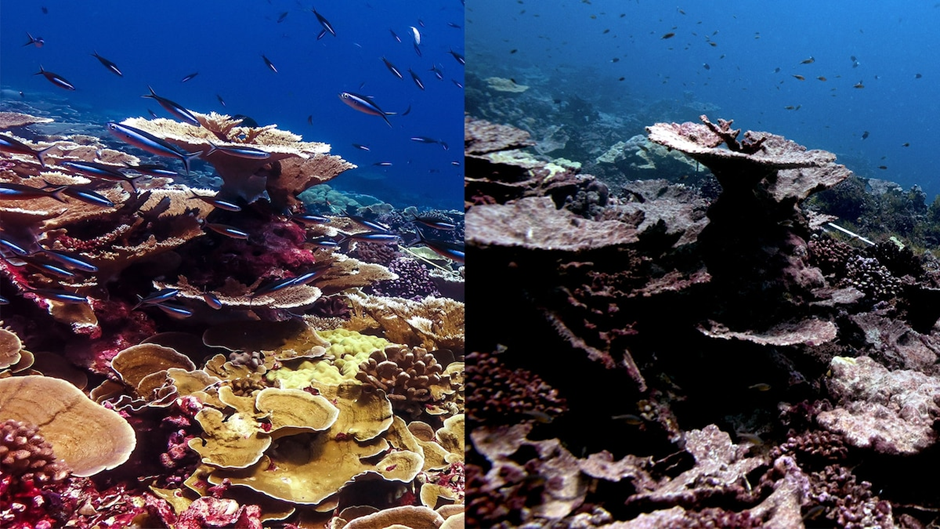
Before and
After: The Devastating Impact of Coral Bleaching. Once vibrant and full of
life, coral reefs are now turning into lifeless skeletons due to rising ocean
temperatures and climate change. Urgent action is needed to protect these vital
ecosystems. (Image Courtesy: National Geographic)
4.
The Decline of Pollinators: A Threat to Global Food Security
Bees,
butterflies, and other pollinators play a crucial role in global food
production, yet they are among the most threatened species. Rising
temperatures and habitat destruction have led to a decline in their
populations, further exacerbated by insecticide use.
The impact of
this decline extends far beyond biodiversity, affecting agriculture and
global food security. If pollinators were to vanish, crop yields would
plummet, endangering economies and livelihoods worldwide.
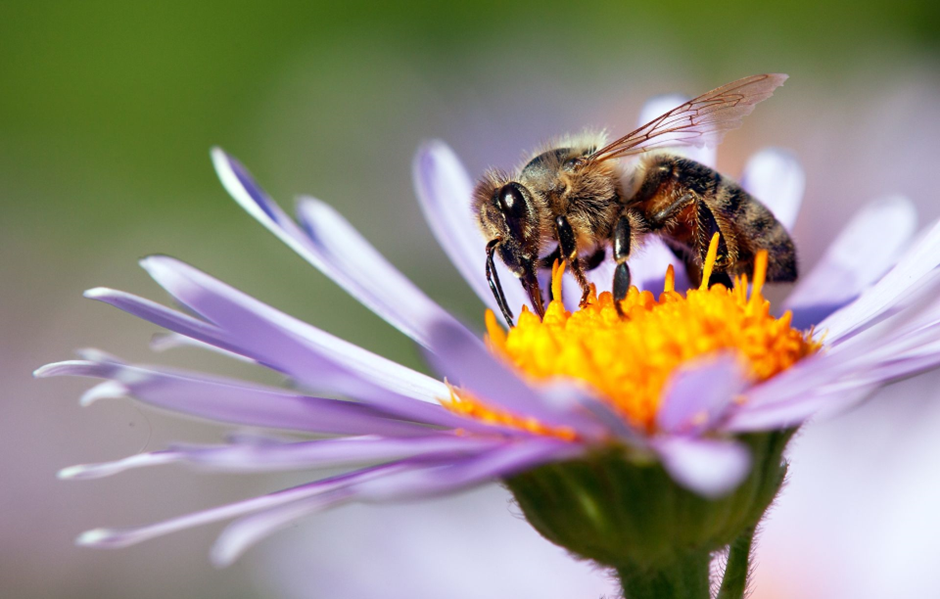
Nature’s
Essential Workers: Bees play a critical role in pollination, supporting global
food production and biodiversity. However, climate change, habitat loss, and
pesticides are putting their survival at risk. Protecting pollinators is key to
sustaining ecosystems and agriculture. (Image Courtesy: Plantura)
5.
Extreme Weather Events and Their Impact on Wildlife
The frequency
and intensity of hurricanes, floods, and wildfires have significantly
risen due to climate change, causing widespread devastation to wildlife
populations. Many species struggle to adapt to these rapid environmental
shifts, leading to widespread fatalities.
For example, severe
droughts in Africa have led to mass die-offs of elephants, zebras,
and other herbivores. At the same time, unprecedented heatwaves in Australia
have resulted in large-scale bird mortality.
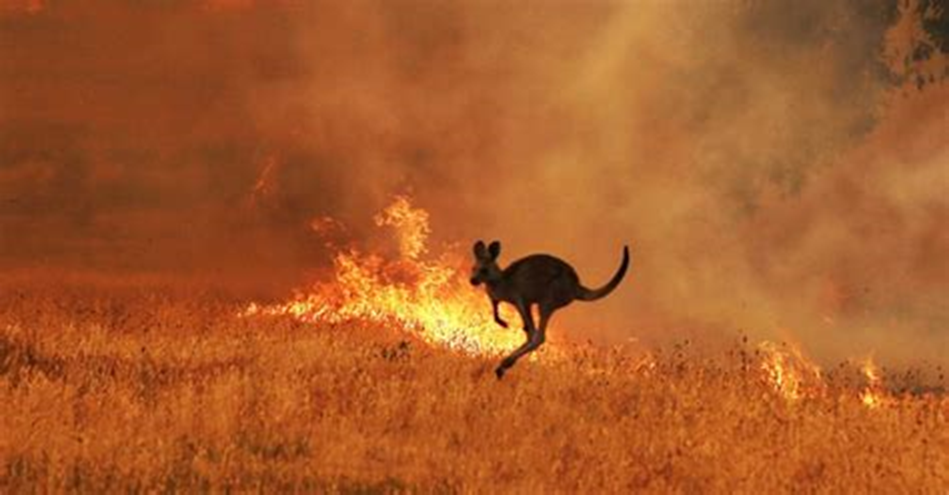
Wildlife in
Peril: A kangaroo flees from raging wildfires, a stark reminder of the
devastating impact of climate change. Rising global temperatures are fuelling
more intense and frequent wildfires, displacing countless animals, and
destroying ecosystems. Urgent action is needed to protect our planet’s
biodiversity. (Image Courtesy: ABC.Net)
What Can Be
Done?
While the
challenge is vast, practical steps can be taken to mitigate its
impact.
- Protecting and Restoring Natural
Habitats
Governments, conservation organizations, and individuals must prioritize
strict habitat protection and active restoration efforts to
preserve biodiversity.
- Combating Climate Change Slowing climate change requires strong
support for carbon neutrality initiatives, a transition to
renewable energy, and the adoption of sustainable practices at
all levels.
- Strengthening Conservation Efforts Global collaboration is essential
to support wildlife conservation, habitat rehabilitation, and species
protection programs, ensuring long-term ecological balance.
- Promoting Sustainable Agriculture
& Urban Planning
Reducing pesticide use, restoring pollinator-friendly habitats,
and designing biodiversity-focused urban spaces can create a
significant positive impact on ecosystems.
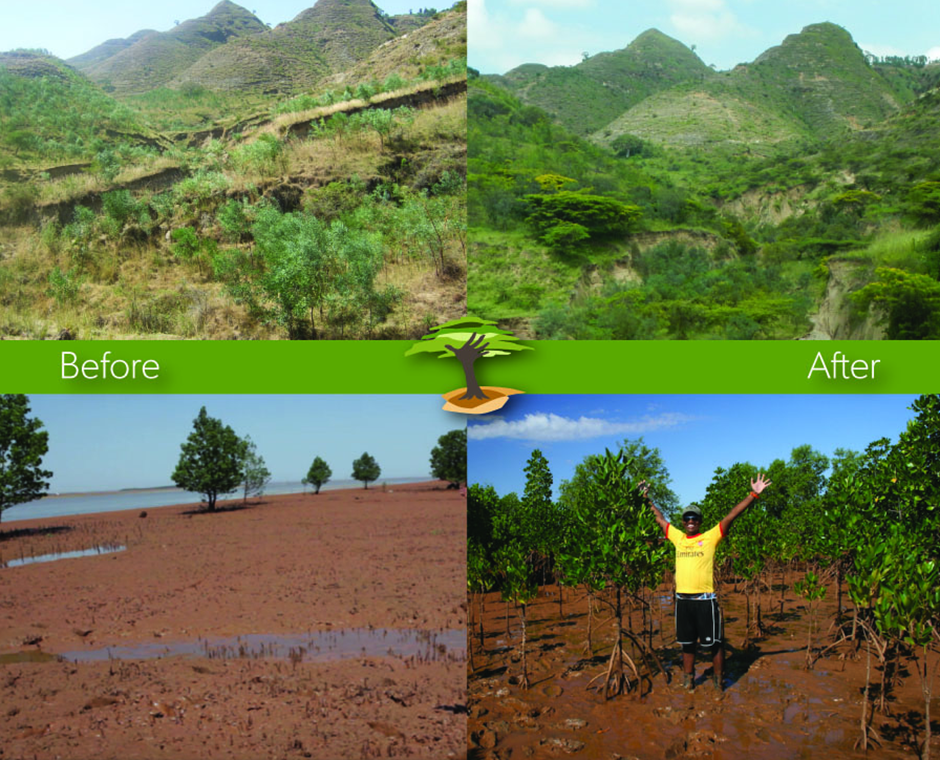
Restoring
Nature: A powerful transformation through reforestation and ecological
restoration. (Image Courtesy: Fity Clubs)
Discussion:
What Role Do We Play?
The impact of climate
change on wildlife is undeniable, yet it often receives less attention
than human-centered concerns. As global citizens,
we must reflect on our role in addressing this crisis:
- How can we integrate wildlife
conservation into climate action plans?
- What responsibilities do businesses
and industries have in curbing biodiversity loss?
- What concrete steps can be taken to
protect endangered species?
This is a shared
responsibility. Protecting the planet’s biodiversity before irreversible
damage occurs requires collaboration between governments, industries,
scientists, and the public. Only through collective action can we ensure a
future where ecosystems thrive.