India’s Roadmap to Net Zero: Insights from India Energy Week 2025
Published on May 15, 2025
India’s
Roadmap to Net Zero: Insights from India Energy Week 2025
India
presently stands at a momentous crossroads concerning energy transition. In
conjunction with shifting geopolitical dynamics, energy security has risen in
importance given ambitious net-zero targets and increased energy needs. India
Energy Week (IEW) 2025, held from February 11-14 in New Delhi, served as a
crucial platform for industry leaders, researchers, and policymakers to reflect
on the country's energy landscape.
Key
discussions centered on strengthening renewable energy adoption, expanding
hydrogen infrastructure, investing in grid modernization, and advancing
industrial decarbonization. These dialogues are instrumental in shaping India's
energy security roadmap for the next decade.
1.
Scaling Up Renewable
Capacity While Ensuring Grid Stability
India
is fully committed to expanding its renewable energy resources, which are a
crucial part of its energy strategy. However, integrating diverse sources of
solar and wind electricity generation poses several challenges. These include
the variability of these resources, various transmission obstacles, and
significant storage deficiencies.
Key
Policies Discussed:
Expanding
Transmission Networks: Strengthening
transmission infrastructure is essential to bridge renewable-rich regions with
major consumption hubs, ensuring efficient energy distribution.
Hybrid
Energy Systems: Integrating solar, wind, and storage
solutions will enhance overall system reliability and resilience.
Advancing
Energy Storage Solutions: Investment in diverse
battery storage and pumped hydro systems is crucial for balancing energy
distribution and driving innovation in storage technologies.
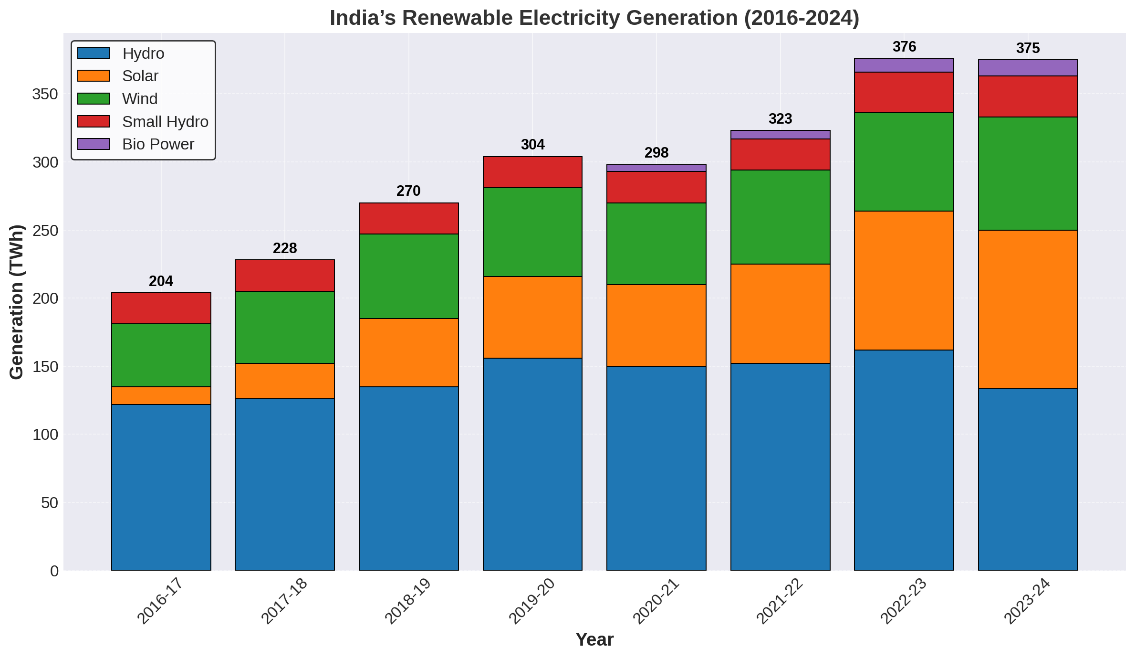
Figure:
Source–wise Renewable Electricity Generation in India over the year (Source:
CEA c, 2024)
2. Green
Hydrogen: The Next Big Revolution
The hydrogen
economy took center stage at IEW 2025, reflecting
India's ambition to become a global leader in green hydrogen. The country is
accelerating production while expanding its applications across industrial,
transportation, and power sectors.
Key Policies Discussed:
·
Production-Linked
Incentives (PLI): Providing
substantial support for green hydrogen projects to scale up nationwide
production, complemented by various other initiatives.
·
Developing
Hydrogen Infrastructure: Expanding
hydrogen transport networks and establishing diverse storage facilities to
strengthen supply chains.
·
Global
Consortiums: Fostering
international collaborations to build a robust framework for hydrogen
transportation and trade.
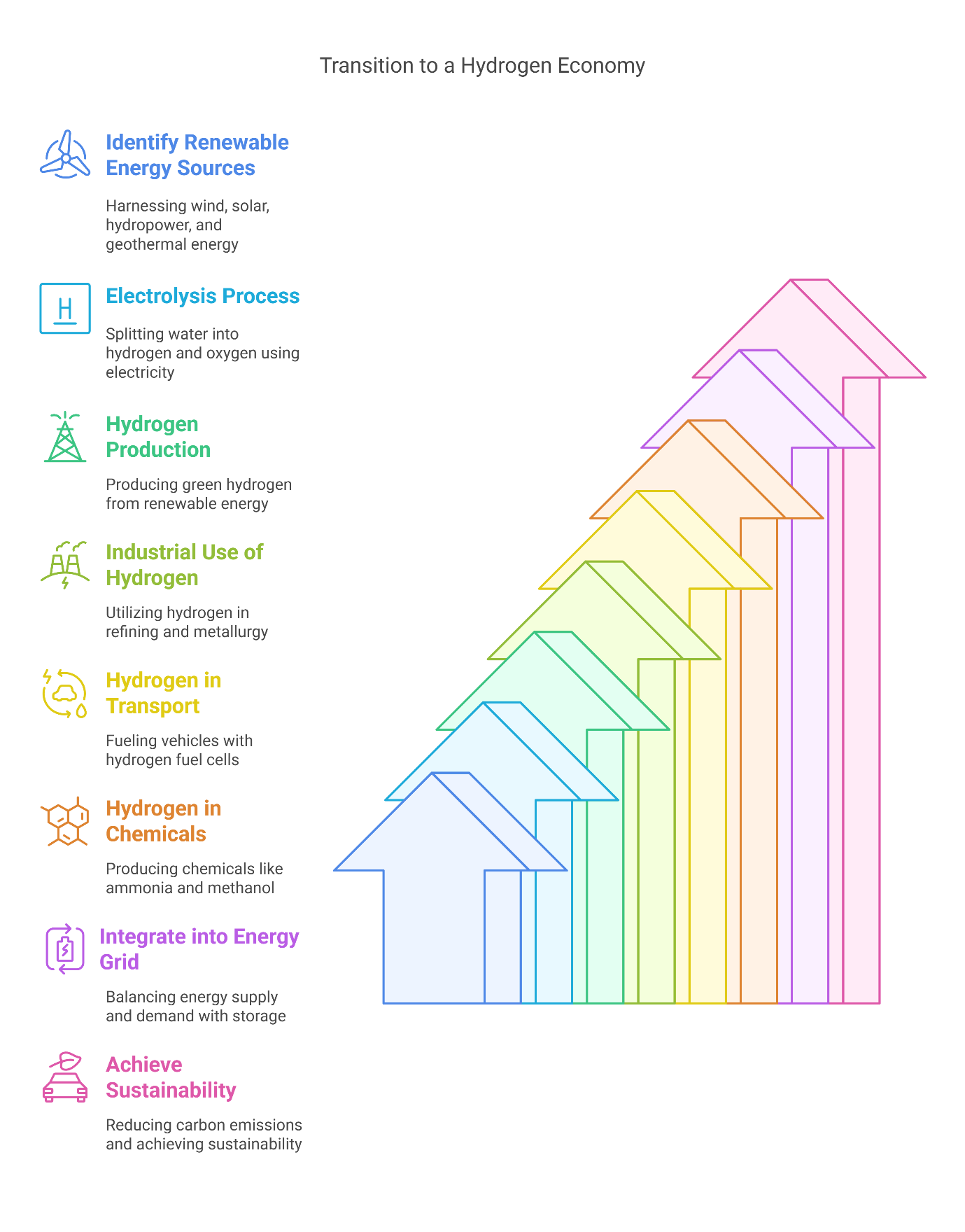
Figure: Building Blocks of a Hydrogen
Economy: A Step-by-Step Transition
3. Enhancing
Reliability Using Energy Storage and Smart Grids
Modernizing India's grid to accommodate variable power
generation is important as renewable energy capability extensively expands.
During the IEW 2025 discussions, energy storage alternatives and smart grid
systems were pointed out for their importance.
Key
Policies Discussed:
·
Regulatory Support for
Energy Storage Systems: Regulations that
streamline the deployment of battery energy storage ease the establishment of
energy storage systems.
·
Implementing Digital Grid
Solutions: Using digital grid solutions involves
adopting AI-driven demand response with revolutionary smart metering.
·
Investing in
Long-Duration Storage: Underscoring pumped
hydro storage projects is important regarding investment in large Long-Duration
Storage. Furthermore, pointing out these projects is primary.
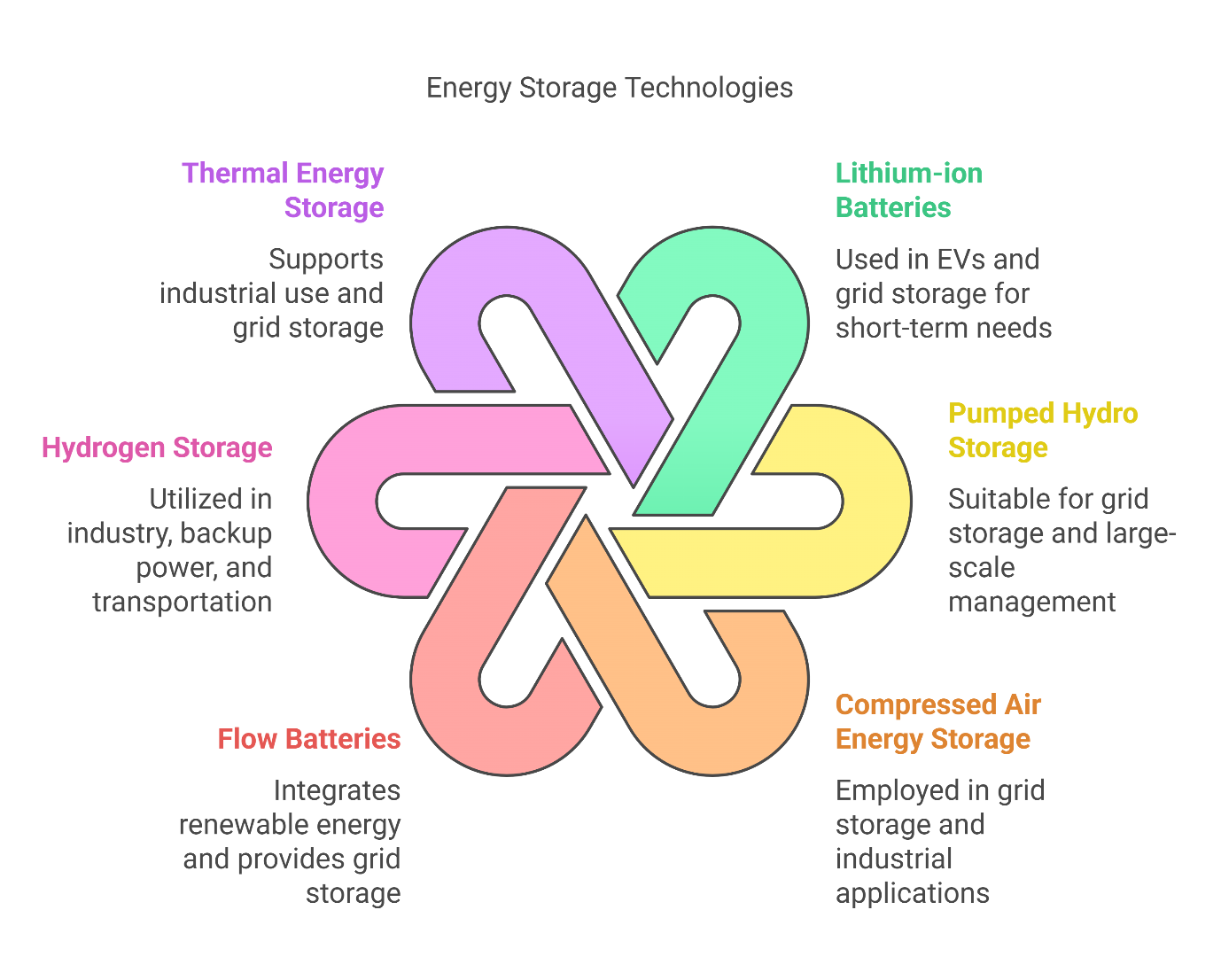
Figure: Exploring Energy Storage
Technologies: Key Solutions for a Sustainable Future
4. Industrial
Decarbonization: Powering Sustainable Growth
Since industries account for a large portion of
India's energy consumption, their decarbonization is important for energy
security. Proposed tactics include using green hydrogen alongside
electrification paired with carbon capture methods.
Key
Policies Discussed:
·
Strengthening Carbon Capture,
Utilization, and Storage (CCUS) necessitates the implementation of technology
to lessen industry emissions.
·
Inducing the common
acceptance of green hydrogen involves convincing multiple industries, including
steel, cement, as well as chemicals, to switch over to greatly more
ecologically sound power options.
·
Providing fiscal
incentives greatly fortifies multiple segments as they transition all
operations to renewable power alternatives.
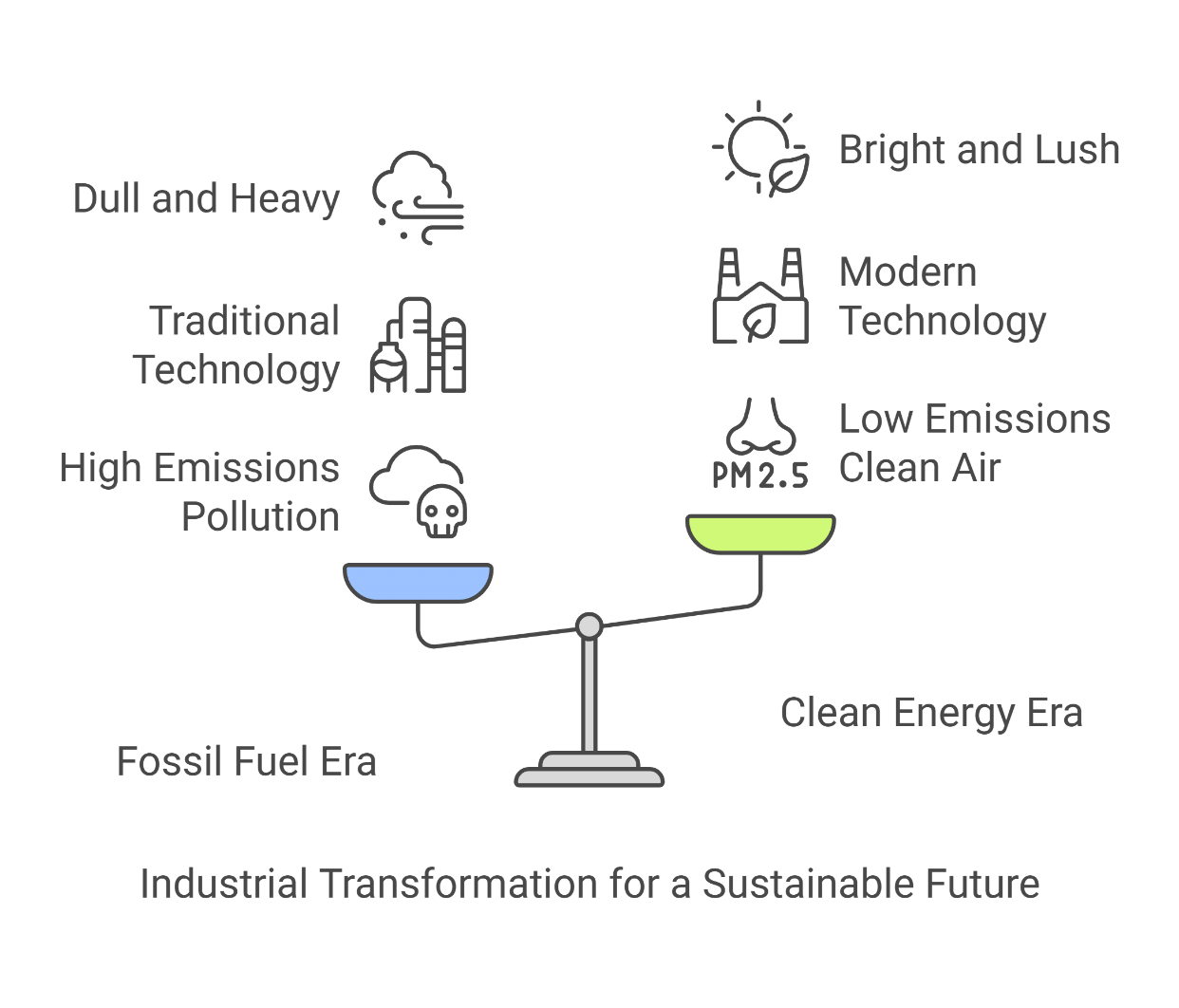
Figure: Balancing the Future: Transitioning
from Fossil Fuels to Clean Energy
5. Strengthening Energy Security Amid Global
Disruptions
Global energy volatility and geopolitical
risks have prompted India to rethink its energy procurement strategies. At IEW
2025, discussions focused on boosting domestic energy production, securing
critical mineral resources, and establishing long-term liquefied natural gas
(LNG) agreements.
Key
Policies Discussed:
· Developing Domestic
Critical Mineral Supply Chains: Establishing national mineral supply chains to
secure sufficient resources for renewable energy along with thorough battery
production.
· Expanding LNG
Infrastructure: Wide-ranging terminal construction along with many import origins
constitute elements of LNG infrastructure expansion.
· A Phased Transition
from Coal:
Energy security may be harmonized in conjunction with a move toward more
ecologically sound energy alternatives.
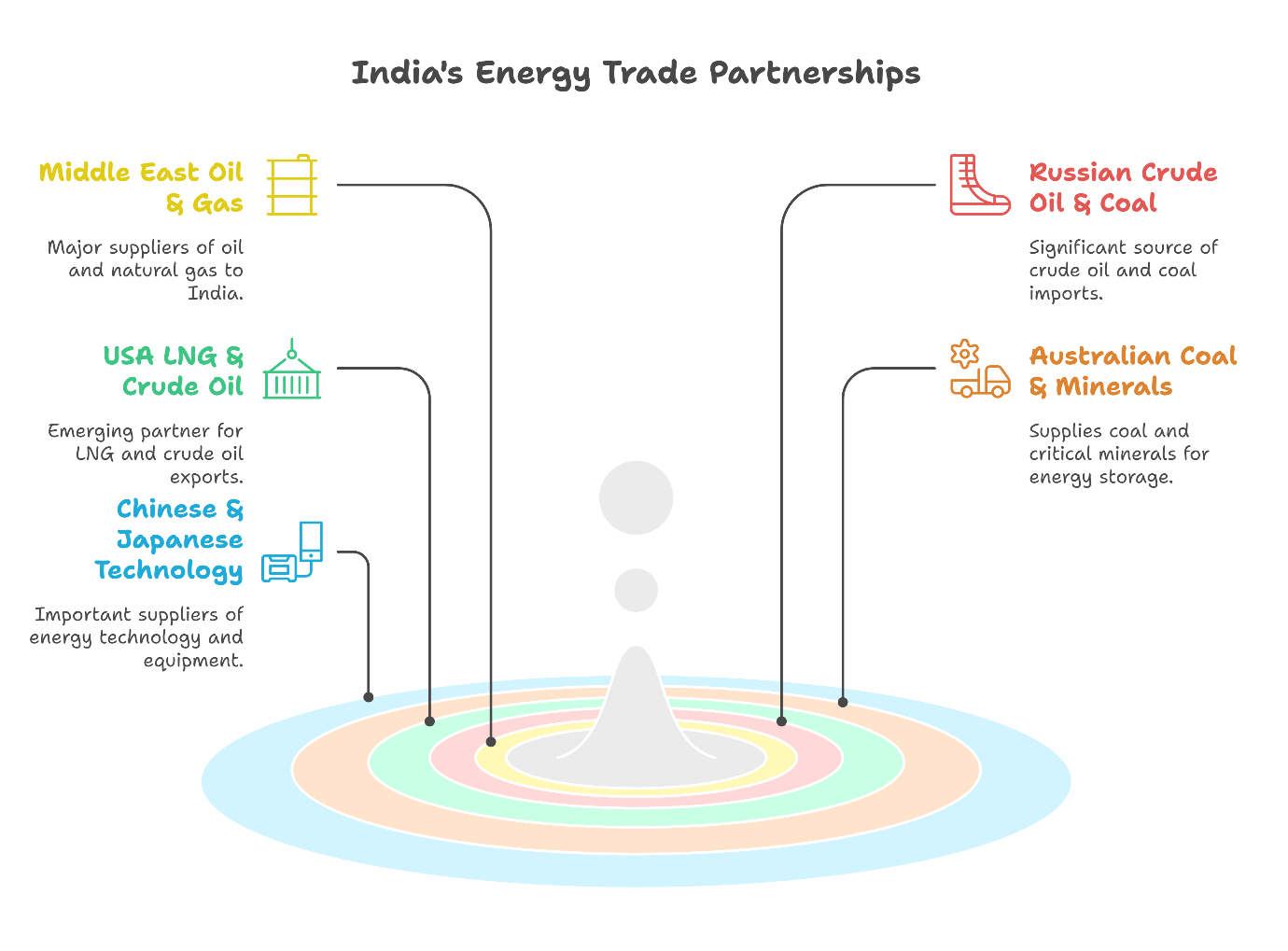
Figure:
India’s Energy Trade Dynamics
6.
Policy & Investment: Unlocking Capital for Energy Transition
Large capital is
needed for India's energy transition. During IEW 2025, emphasis was placed on
important ecological finance tools like integrated finance, foreign direct
investment (FDI), and sovereign ecological bonds.
Key
Policies Discussed:
· Green bonds and
sustainable finance expansion: Funds are being deployed for renewable energy
ventures.
· Reinforcing energy
infrastructure through public-private partnerships entails collaborative
development.
· Enacting several
regulatory modernizations yields a substantially more favourable atmosphere to
draw overseas investments, coupled with that intention.
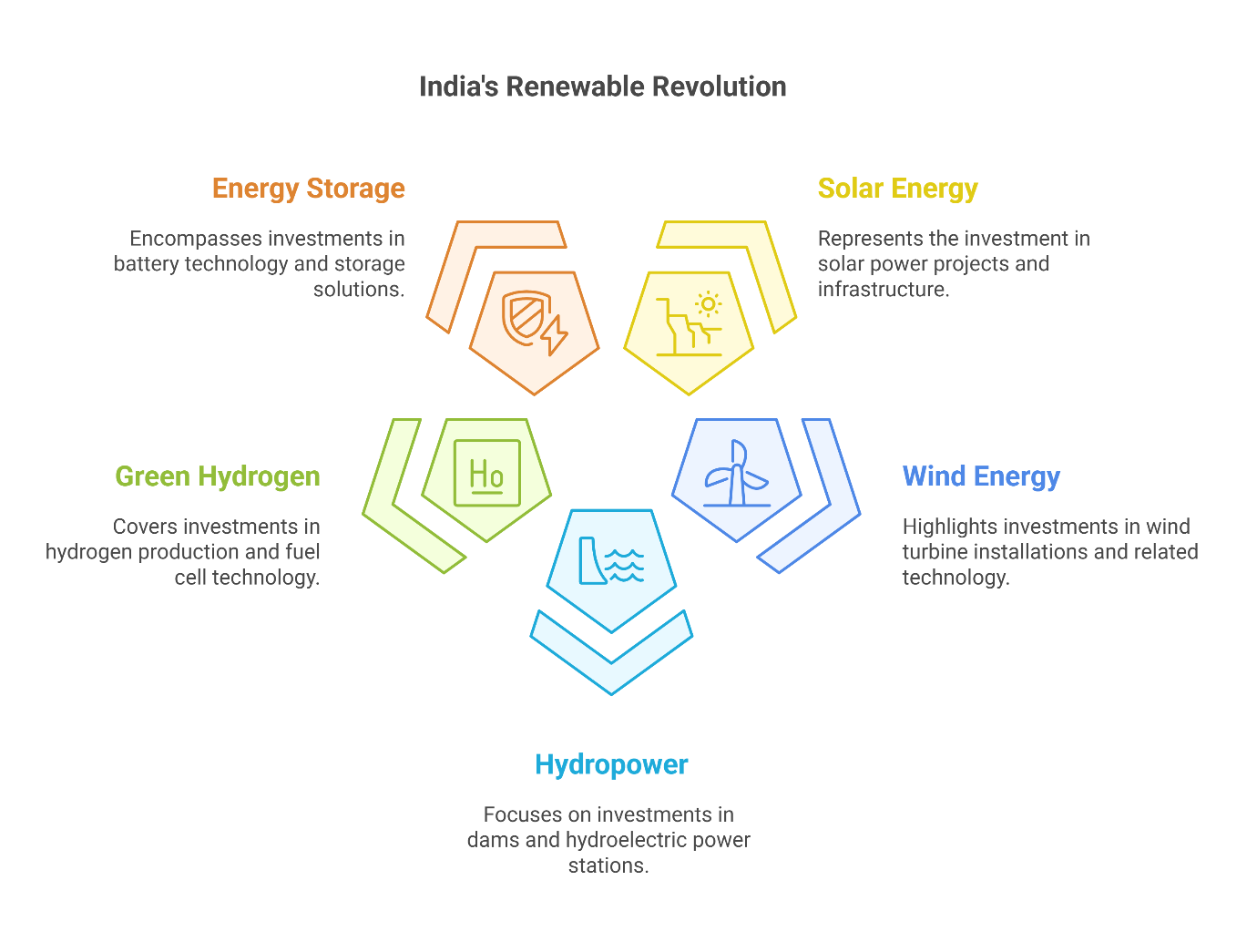
Figure:
India’s Key Investment Areas for a Sustainable Future
Looking Ahead: A
Resilient & Sustainable Energy Future
Assuredly, India's
energy security future will be definitively shaped through technical
integration, thorough policy revisions, and planned financial investments.
During IEW 2025, discussions underscored the necessity of an exhaustive plan
integrating energy accessibility, economic improvement, and ecological
stewardship.
Attaining India's
net-zero objectives mandates concrete actions alongside thorough cross-sector
collaboration, accompanied by wide-ranging preparation. To guide India toward a
strong, decarbonized, and energy-secure future, the collaborative efforts of researchers,
policymakers, investors, and industry titans will prove indispensable.