A New Era in Textile Sustainability
Published on August 26, 2024
A New Era in Textile
Sustainability
The textile industry is one of the largest and most influential industries globally, touching nearly every aspect of human life. However, it is also one of the most resource-intensive industries, responsible for vast amounts of waste, water pollution, and carbon emissions. In response to increasing environmental concerns, the industry is undergoing a major transformation, embracing sustainability as a core value.
Let us analyze the concept of sustainability in the textile industry, focusing on sustainable fibers, eco-friendly production processes, and the initiatives of global brands like Nike, Puma, and others in creating sustainable clothing.
A New Era in Textile
Sustainability
Every year on March 30, the
world observes the International Day of Zero Waste, a crucial reminder of our
collective responsibility to minimize waste and protect our planet. In 2025,
the theme, "Towards Zero Waste in Fashion and Textiles," brings
much-needed attention to one of the most resource-intensive industries, fashion
and textiles.
From excessive water consumption
to massive textile waste ending up in landfills, the fashion industry is at the
center of global environmental challenges. However, a shift is happening.
Leading brands and innovators are adopting sustainable fibers, eco-friendly
production techniques, and circular economy principles to reduce waste and
conserve water.
We discuss how sustainability is
transforming textiles, how brands like Nike, Puma, and others are stepping up
to the challenge, the role of recycled materials and regenerative fabrics, and
how consumers can be a part of this journey towards a zero-waste fashion
future.
Sustainable Fashion and the UN
Sustainable Development Goals (SDGs)
Sustainable fashion plays a
crucial role in achieving several United Nations Sustainable Development Goals
(SDGs):
- SDG 1 – No
Poverty: Promoting fair wages and ethical labor practices in the fashion
industry helps alleviate poverty among garment workers.
- SDG 5 –
Gender Equality: Ensuring equal opportunities and fair treatment for
women, who constitute a significant portion of the global garment
workforce.
- SDG 6 –
Clean Water and Sanitation: Reducing water waste and pollution from
textile dyeing and processing.
- SDG 8 –
Decent Work and Economic Growth: Advocating for safe working conditions,
reasonable working hours, and fair compensation in the fashion sector.
- SDG 9 –
Industry, Innovation, and Infrastructure: Encouraging sustainable
industrial practices and green technologies in textile production.
- SDG 10 –
Reduced Inequalities: Addressing disparities in the fashion industry by
promoting inclusive and equitable practices.
- SDG 12 –
Responsible Consumption and Production: Promoting circular fashion,
upcycling, and ethical sourcing.
- SDG 13 –
Climate Action: Cutting carbon emissions through energy-efficient textile
manufacturing and waste reduction.
- SDG 14 –
Life Below Water: Reducing microplastic pollution from synthetic fibers
that harm marine life.
- SDG 15 –
Life on Land: Supporting organic cotton farming and biodiversity-friendly
raw materials.
- SDG 17 –
Partnerships for the Goals: Encouraging collaborations among brands,
governments, and organizations to achieve sustainability targets in
fashion.
As the fashion industry
transitions towards sustainability, consumers, brands, and policymakers must
work together to accelerate progress. Sustainable materials, ethical
production, and innovative waste-reduction strategies must be involved in shaping
the future of textiles moving us closer to a zero-waste fashion world.
The Environmental Impact of the Textile Industry
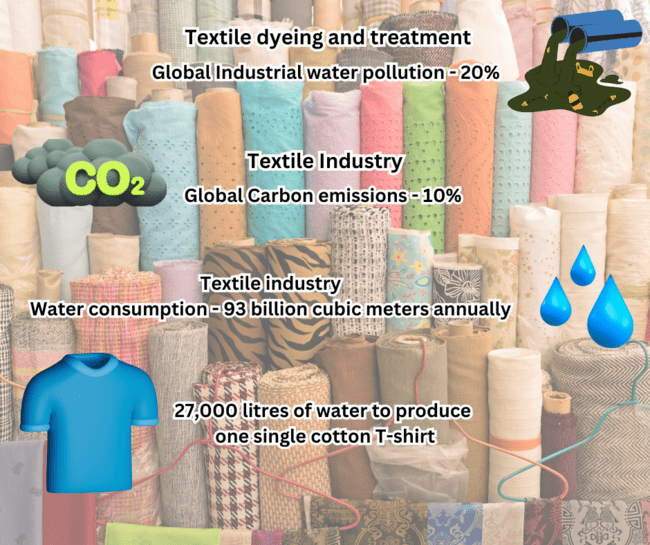
The textile industry has historically been linked to major environmental issues. According to the World Bank, textile dyeing and treatment contribute to approximately 20% of industrial water pollution globally. Additionally, the industry accounts for about 10% of global carbon emissions more than international flights and maritime shipping combined. Some key environmental impacts of the textile industry include:
Water Usage: The textile industry consumes approximately 93 billion cubic meters of water annually. For instance, producing just one cotton T-shirt requires approximately 2,700 liters of water.
Chemical Pollution: Toxic chemicals used in dyeing and finishing processes often end up in waterways, posing risks to aquatic life and humans.
Waste Generation: Every year, an estimated 92 million tonnes of textile waste is produced globally. The majority of this waste is either sent to landfills or burned.
Carbon Emissions: The production of textiles is energy-intensive. The fashion industry alone generates approximately 1.2 billion tonnes of CO2 equivalent per year.
What Is Sustainable Fashion?
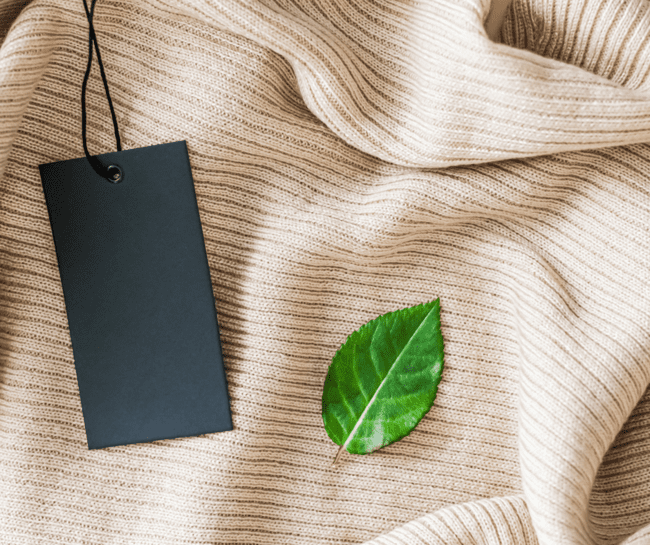
Sustainable fashion refers to the development of garments, accessories, and footwear in a way that prioritizes environmental and social well-being. It focuses on the use of eco-friendly materials, sustainable production processes, waste reduction, and fair labor practices. In 2024, sustainability is not just a trend but a necessity as consumers demand greater accountability from brands.
Sustainable Fibers in the Textile Industry
One of the critical aspects of sustainable fashion is the use of sustainable fibers. These are fibers that are either natural, renewable, or made from recycled materials, minimizing their impact on the environment. Here are some of the most popular sustainable fibers being used in the textile industry today:
1. Organic Cotton
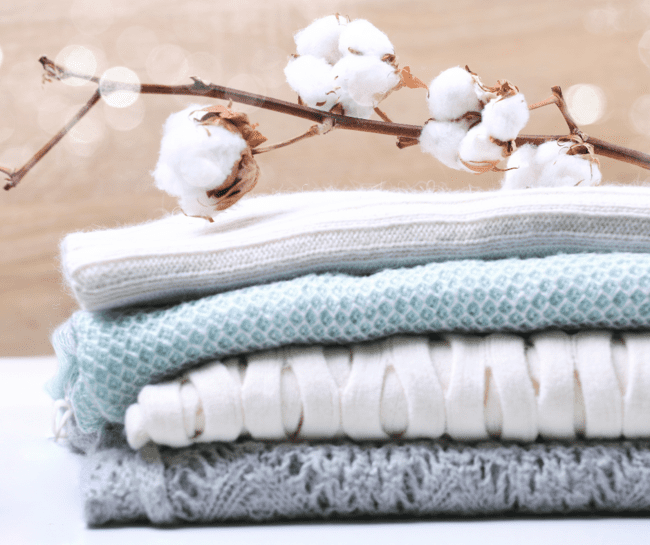
Organic cotton is grown without synthetic pesticides or fertilizers, which reduces water contamination and soil degradation. It also uses less water compared to conventional cotton farming. Organic cotton production grew by 31% in 2021, with countries like India, China, Turkey, and the United States leading the way.
2. Recycled Polyester
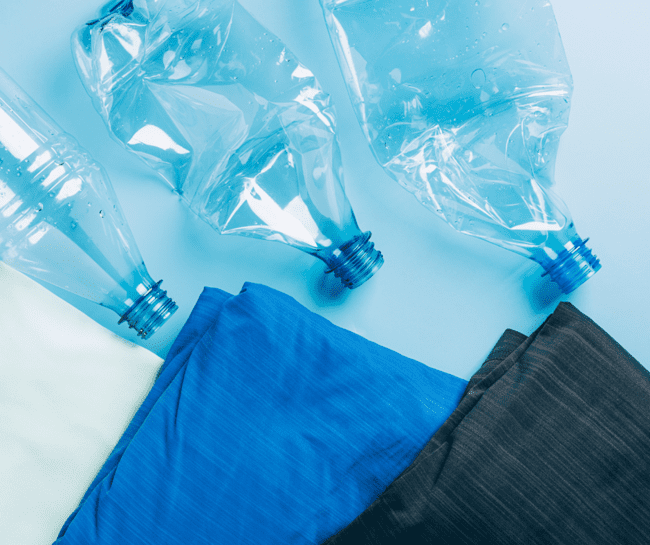
Recycled polyester (rPET) is made from recycled plastic bottles, helping to reduce plastic waste. According to Textile Exchange, using recycled polyester can reduce energy consumption by up to 50% compared to virgin polyester. Leading brands such as Adidas and Patagonia have embraced rPET in their clothing lines.
3. Hemp
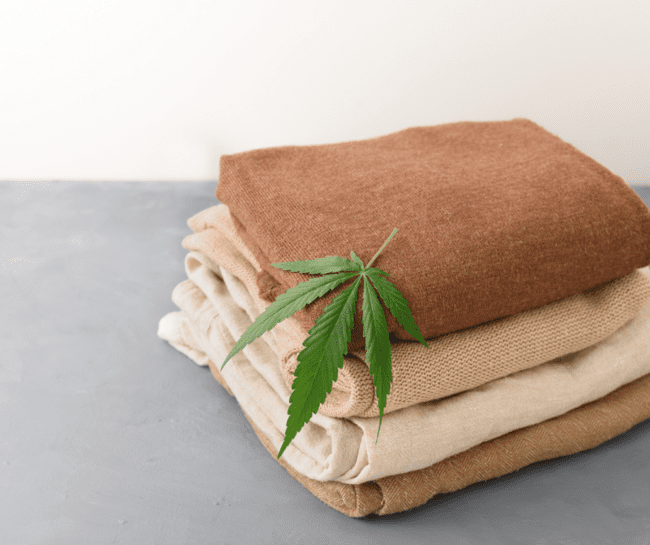
Hemp is a highly sustainable fiber that requires little water, no pesticides, and enriches the soil it’s grown in. Hemp cultivation also captures carbon dioxide from the atmosphere, making it carbon-negative. Its durability and breathability have made it a favorite for sustainable brands.
4. Tencel (Lyocell)

Tencel is a fiber made from sustainably harvested wood pulp, usually from eucalyptus, beech, or spruce trees. The production process uses a closed-loop system, meaning 99% of the solvents and water are reused. Tencel is biodegradable and compostable, making it a top choice for eco-friendly clothing.
5. Bamboo

Bamboo grows rapidly and doesn't need fertilizers or pesticides to thrive. Bamboo fibers can be processed into viscose or other types of fabrics. However, the processing method for bamboo viscose can sometimes involve harsh chemicals, so brands are focusing on improving the production process to maintain sustainability.
6. Wool
Sustainable wool comes from farms that practice regenerative agriculture, ensuring that the land is cared for in a way that promotes biodiversity and carbon sequestration. Responsible Wool Standard (RWS) certification is becoming increasingly common as a mark of sustainability.
7. Recycled Nylon

Similar to recycled polyester, recycled nylon is produced from waste materials such as discarded fishing nets, fabric remnants, and used carpets. This helps to reduce the demand for virgin nylon, which is derived from petrochemicals. Brands like Gucci and Prada are incorporating recycled nylon into their collections.
The Role of Top Brands in Promoting Sustainability
Global fashion and athletic wear brands are taking significant steps to embrace sustainability. Through various initiatives and campaigns, companies like Nike, Puma, and others are leading the way in promoting eco-friendly practices and sustainable materials. Let's take a look at the initiatives of some of the leading global brands.
1. Nike
Nike, one of the world’s largest sportswear brands, has made sustainability a cornerstone of its business strategy. The company’s sustainability campaign, “Move to Zero” aims to achieve zero carbon emissions and zero waste. Nike is committed to using 100% renewable energy across its global operations by 2025.
Nike's sustainable materials include recycled polyester, organic cotton, and Flyleather, a material made from at least 50% recycled natural leather fiber. Nike also focuses on reducing waste in its manufacturing processes through its “Circular Design” initiative, which encourages designers to create products with sustainability in mind. In 2023, Nike reported that 75% of its products contained some form of recycled material.
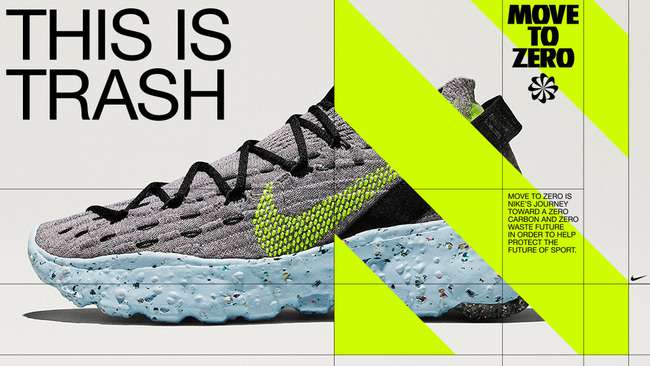
Brian Metcalf (Nike: Move
to Zero)
2. Puma
Puma is another major brand making strides toward
sustainability. The company has set ambitious targets to reduce its carbon
footprint by 35% by 2030. Puma has introduced a range of
sustainable products under its “Forever Better” initiative, which
includes garments made from organic cotton, recycled polyester, and
biodegradable materials.
Puma has partnered with organizations such as Better Cotton Initiative (BCI) to ensure 100% sustainable sourcing of cotton. In 2022, Puma introduced Re: SUEDE pilot project where 500 pairs of experimental biodegradable sneakers were used for 6 months and then turned into compost.
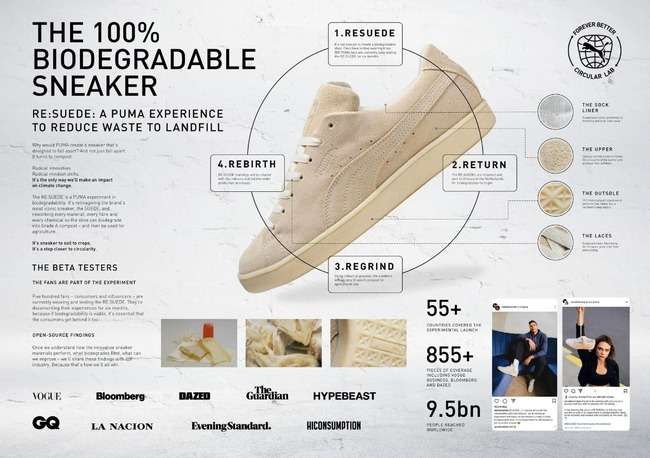
Source: The Work
3. Adidas
Adidas has long been at the forefront of sustainable fashion. Its partnership with Parley for the Oceans, an organization dedicated to cleaning up marine plastic waste, led to the creation of the “Parley” collection. Shoes and apparel in this collection are made from recycled plastic recovered from oceans. In 2022, Adidas produced over 30 million pairs of shoes using Parley Ocean Plastic.

Source: Communication Arts
(commarts.com)
Adidas is also committed to using only recycled polyester in all of its products by 2024. The brand’s “End Plastic Waste” initiative seeks to eliminate virgin plastic from its supply chain, contributing to the fight against global plastic pollution.
4. Patagonia
Patagonia has established itself as a benchmark for sustainability in the fashion industry. The outdoor apparel brand uses recycled materials like polyester, nylon, and wool, and it also promotes the use of organic cotton. Patagonia, known for its environmental activism, donates 1% of its sales to environmental causes as part of the 1% for the Planet alliance, a collective of businesses committed to protecting the natural environment.
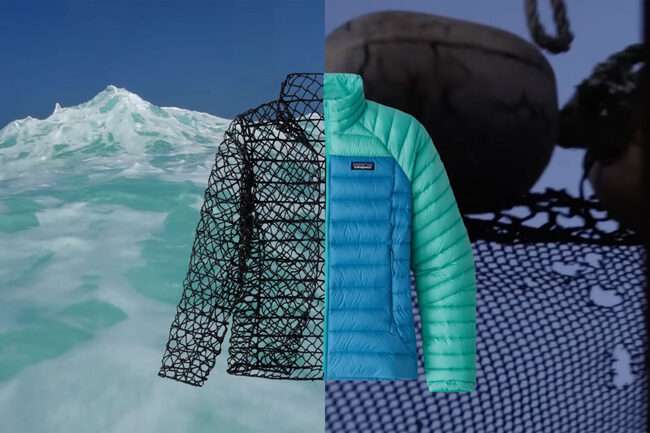
Sweater made from Recycled
Fishing Nets (Source: Patagonia)
The company’s “Worn Wear” program encourages customers to repair, reuse, and recycle their clothing, reducing waste and promoting a circular economy. Patagonia's commitment to sustainability extends beyond materials as it actively pushes for systemic changes in industry.
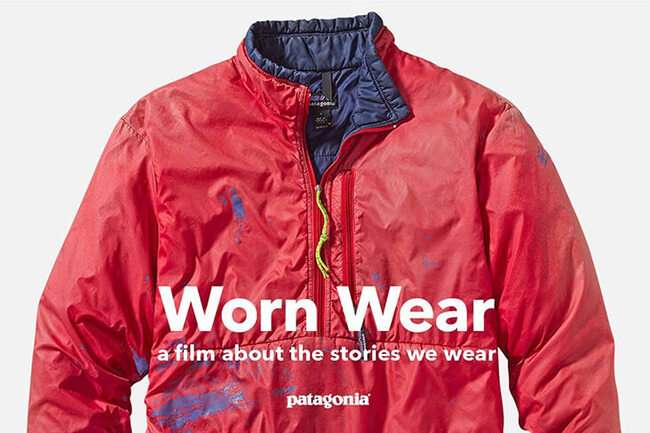
Worn Wear campaign aims to re-sell their worn garments (Source:
Patagonia)
5. H&M
H&M, one of the largest fast-fashion retailers, has faced criticism for its environmental impact. The company then launched its “Conscious Collection”, made from sustainable materials such as organic cotton, recycled polyester, and Tencel. H&M’s goal is to use 100% sustainably sourced materials by 2030. Recent sustainability efforts aim to offset environmental impact, including climate-positive goals by 2040.
H&M’s “Garment Collecting” initiative allows customers to bring in old clothes for recycling, reducing the amount of textile waste that ends up in landfills. “The Green Machine project”, launched by the H&M Foundation with a $100 million investment, aims to transform fabric recycling through hydrothermal technology. By offering a scalable and cost-effective solution, it addresses the environmental challenges of fast fashion while supporting H&M's sustainability goals.


The Green Machine Project
(Source: H&M)
6. Levi Strauss & Co.
Levi’s is known for its durable denim, but the production of denim is notoriously water-intensive. To address this, Levi Strauss & Co. launched its “Water<Less” initiative, which aims to reduce water usage in the finishing process of its jeans. As of 2024, Levi’s has saved over 3 billion liters of water through this initiative.
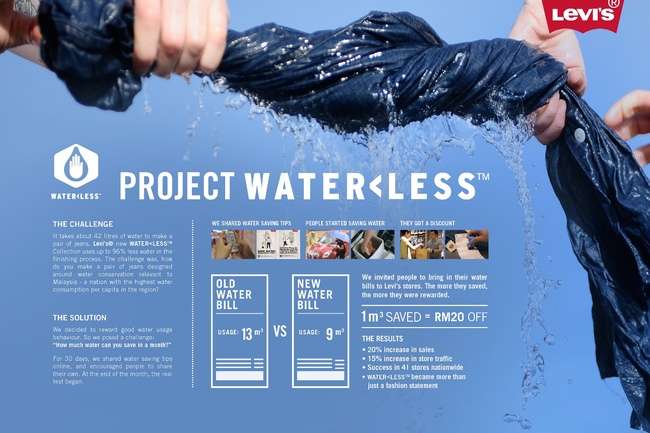
Source: Levi’s
The brand is also committed to sourcing more sustainable cotton through the Better Cotton Initiative (BCI) and using more recycled materials in its denim products. Levi’s continues to invest in new technologies to reduce the environmental impact of its production processes.
The Circular Economy in Fashion
A critical component of sustainability in the textile industry is the transition to a circular economy. In a linear economy, resources are extracted, used, and discarded, leading to significant waste. A circular economy, by contrast, seeks to keep materials in use for as long as possible through recycling, repurposing, and repairing. Circular fashion reduces the need for virgin resources, cuts down on waste, and helps to mitigate the environmental impact of clothing production.
Challenges in Achieving Sustainability
While the textile industry is making strides toward sustainability, challenges remain. The production of eco-friendly fibers like organic cotton or Tencel is often more expensive, which can result in higher prices for consumers. Additionally, scaling up sustainable practices across global supply chains is complex, particularly for large fast-fashion brands that rely on cheap labor and quick turnaround times.
Another challenge is the lack of transparency in supply chains. Many brands still struggle to trace their raw materials back to their source, making it difficult to ensure ethical and sustainable practices. However, organizations like Cascale (formerly Sustainable Apparel Coalition) and platforms like Fashion Revolution’s "Transparency Index" are pushing for greater accountability.
Cascale, formerly recognized as the Sustainable Apparel Coalition (SAC), is a global non-profit organization that brings together 300 prominent consumer goods brands, retailers, manufacturers, sourcing agents, service providers, trade associations, NGOs, and academic institutions. The alliance encompasses every stage of the global value chain, covering apparel, footwear, textiles, home furnishings, sporting and outdoor gear, as well as bags and luggage. Through this extensive network, Cascale plays a significant role in promoting sustainability across various industries.
The Fashion Transparency Index 2023 assesses and ranks 250 global fashion and apparel brands based on their disclosure of information about suppliers, supply chain policies, social, and environmental impact. Fashion Revolution collaborates with Wikirate to enhance accessibility and comparability of the Fashion Transparency Index and its data through the open data platform.
The textile industry is at a crucial crossroads as it grapples with the need for sustainability in the face of mounting environmental and social challenges. Through the use of sustainable fibers, eco-friendly production processes, and circular economy models, the industry is beginning to shift toward a more responsible future.
However, much work remains to be done. As consumers become more conscious of their environmental impact, brands will need to continue pushing the boundaries of sustainability. The transition to a fully sustainable textile industry will require collaboration across the entire supply chain, from farmers and manufacturers to retailers and consumers. In the years to come, the adoption of sustainable practices in fashion will be essential in creating a healthier planet for future generations.
Every season, we are tempted by new offers and trends,
leading to the purchase of more clothes than we need. However, behind every
garment lies a significant environmental impact, particularly through water
consumption. Beyond this, water pollution from dyes and chemicals further harms
ecosystems. While we enjoy the temporary joy of fashion, the manufacturing
processes contribute to water scarcity and pollution, often far from where the
clothes are worn or discarded. It's essential to rethink our consumption
habits.