Breaking Up with Single-Use Plastics: Lifestyle Shifts for a Plastic-Free Future
Published on November 11, 2024
Breaking Up with
Single-Use Plastics: Lifestyle Shifts for a Plastic-Free Future
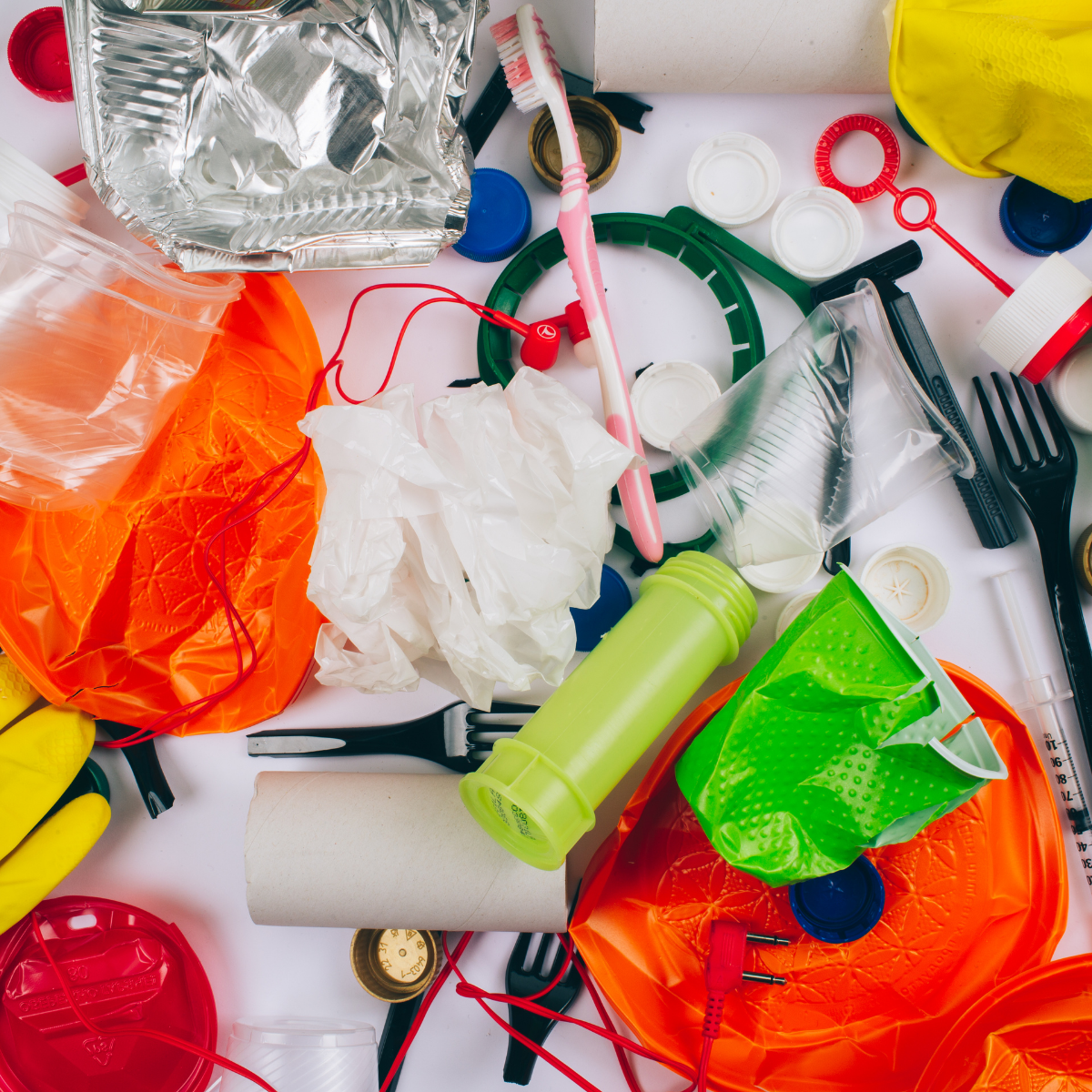
In a world driven by convenience and speed, single-use plastics (SUPs) - items like shopping bags, straws, drink bottles, food packaging and cutlery have silently become a staple of modern life. But their low cost comes with a high price: environmental degradation, threats to human health and a mounting waste crisis. According to the United Nations Environment Programme (UNEP), the “single-use nature” of these plastics is often the most problematic aspect, more so than the specific material type.
Transitioning to a lifestyle with far fewer, ideally no single-use plastics is not just a moral choice. It’s also one rooted in practical, everyday actions. We explore why we should break up with SUPs, how this shift is meaningful for us and the planet, and the actionable steps we can take today to move towards a plastic-free future.
Why it matters
Environmental & ecological impact
·
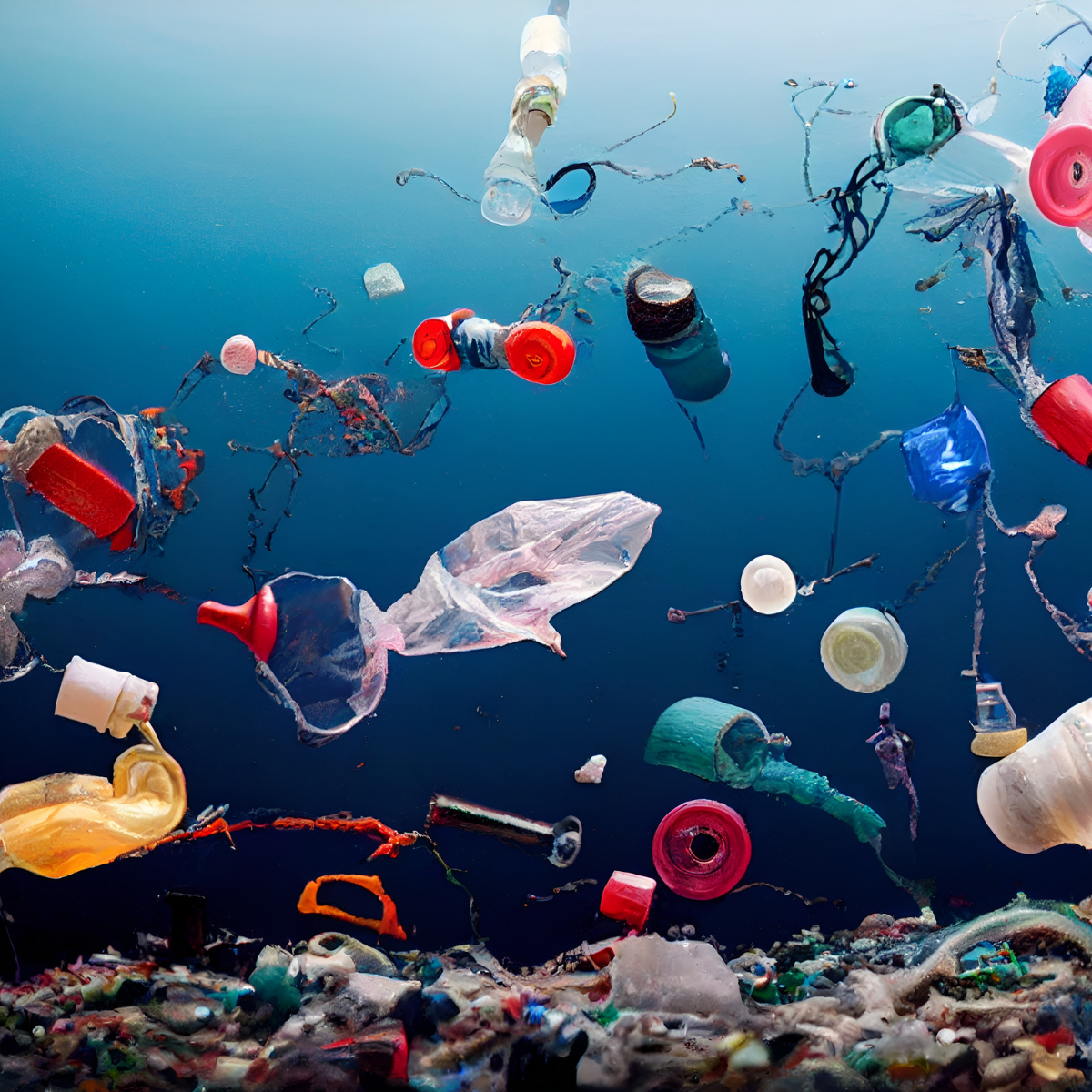
A significant volume of plastics enters our oceans and waterways each
year. UNEP estimates that between 75 - 199 million tons of plastic waste
are in the ocean today, and annual leakage could rise dramatically in the
coming years.
·
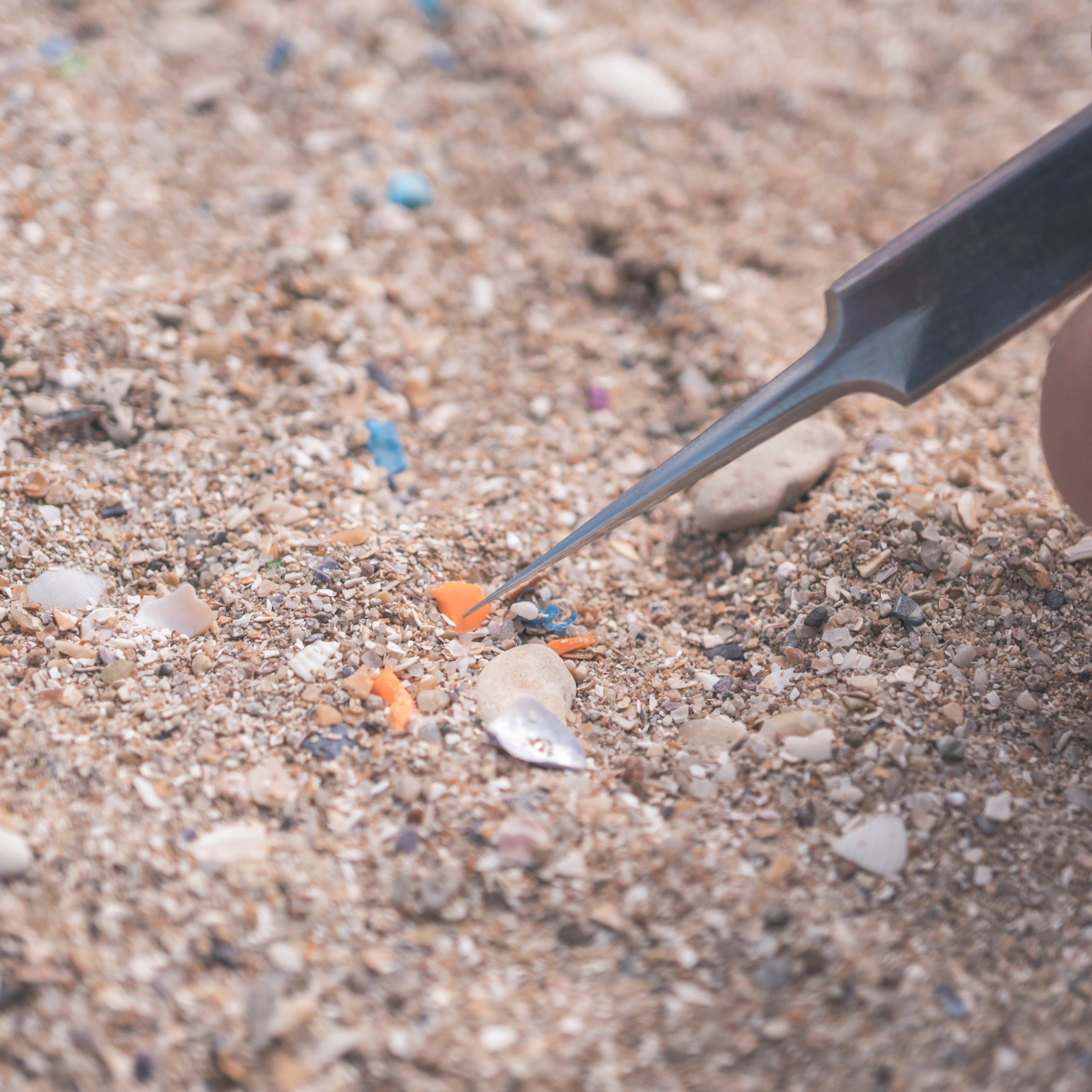
These plastics persist for hundreds of years, fragment into
microplastics, often end up in landfills or as litter, and damage ecosystems.
Wildlife suffers: Ingestion, entanglement, habitat disruption. Soils and forests also bear the burden from mis-managed plastic waste.

Human health &
resource concerns
·
Many SUPs are derived from
fossil fuels; production, transport and waste-handling all consume energy and
emit greenhouse gases.
·
Microplastics have been found in human tissues and food chains; though
research is ongoing, potential health risks cannot be ignored.
·
Recycling alone isn’t enough: globally only about 14 % of plastic
packaging is collected for recycling.
Behaviour & culture
We live in a throw-away
culture - items used for minutes and discarded for centuries. The shift away
from such culture isn’t only a matter of technology or regulation, it’s deeply
behavioral.
What a lifestyle shift looks like
Going plastic-free (or greatly plastic-reduced) isn’t about perfection overnight, it’s about intentional choices, incremental change and aligning habits with values. Here are core shifts:
1. Refuse what you don’t need
·
Say no to single-use plastic bags, straws, cutlery. Bring your
own.
·
Avoid packaged goods when a bulk/refill option is viable.
·
Spending more on raw ingredients, cooking at home, and buying in bulk
whenever possible helps reduce single-use plastic consumption.
·
Question the convenience culture: do you really need that
plastic-wrapped item?
2. Replace with reusable or durable alternatives
·
Carrier bags → cloth/canvas totes
·
Single-use cups & bottles → stainless steel or glass reusable
bottles
·
Food containers & packaging → beeswax wraps, silicone bags,
stainless lunch boxes.
·
Personal items: toothbrushes with bamboo handles, shampoo bars, solid
soap bars, refillable cosmetics.
3. Re-use, repurpose, extend life
·
Before recycling or disposing, ask: can it be used again?
·
Even plastic bags can be reused (though the goal is to reduce their
use).
·
Durable alternatives pay off only if used many times. As UNEP notes: a
paper bag may need to be used 4–8 times to have a lower environmental
impact than a single-use plastic bag.
4. Rethink, redesign & participate
·
Choose companies and products that use minimal, recyclable, or
compostable packaging.
·
Support policies and brands that phase out problematic SUPs and promote
circular economy models.
·
In your home or community: set up refill stations, go packaging-free
where possible, and share knowledge.
How to get started: practical tips
Here’s a “starter kit” of actionable steps you can adopt and integrate into daily life:
·
Carry-in your bag: a reusable bottle, cloth bag, metal or bamboo cutlery set.
·
Shopping mindset: when buying groceries, ask: “Does this need plastic packaging?” Buy
bulk or bring your own containers.
·
Dining out/take-away: Request no plastic straw, refuse single-use cutlery. If you
bring your own container for leftovers, even better.
·
Personal care switch: Swap shampoo/conditioner in plastic bottles for solid bars, replace
disposable razors/packaged items with refillable versions.
·
Home storage & organisation: Replace plastic wrap with beeswax cloths,
use glass or stainless steel for food storage.
·
Advocacy at home/work: Encourage colleagues or family to adopt “plastic-free pick”: choosing
items that minimise single-use plastics. In your office cafeteria or events,
ask for reusable options.
·
Dispose & recycle smartly: While the goal is to reduce, for the
plastics you still use, follow proper recycling/sorting practice. But also push
for reduction rather than rely purely on recycling.
Challenges & how to overcome them
· Begin with high-impact
items (bags, bottles, straws) and gradually tackle others. The habit builds
over time.
· “Alternatives cost
more.” Reusable items often pay off over their lifetime. Example: a good
reusable bottle may cost more upfront but eliminate dozens/hundreds of
disposables.
· “I’m just one person-does
it matter?” Yes: individual choices aggregate into market signals, plus it
influences peers & community and helps shift culture.
·
Not reducing plastic use may seem insignificant in the short term, but
the total consumption adds up significantly over a lifetime.
·
“What about things I can’t avoid?” Recognize limits. Focus on what you can
change. And advocate for systemic change. The shift toward less single-use
plastic depends not only on individuals, but on supply chains, policy and
design.
The bigger picture: system & community
While personal lifestyle shifts are essential, the “plastic-free future” also depends on larger levers:
· Policy/regulation: Bans or restrictions on certain SUPs, taxes on disposable packaging, extended producer responsibility.
·
Corporate design & supply chain: Brands redesigning products for
reuse, minimal packaging, better recycling.
·
Infrastructure: Accessible recycling, refill stations, bulk-stores,
community reuse hubs.
·
Community culture shift: Norm-change about “convenience” vs
“sustainability”.
Breaking up with
single-use plastics is not about eliminating all plastic overnight, it’s
about rethinking how we consume, what we value, and making conscious shifts
that ripple outwards. Each reusable bag, every refill instead of throw-away,
each time we question whether convenience should override durability - those
choices matter.
As you make these
changes, you’ll not only lighten the load on our planet and its ecosystems but
also cultivate a more intentional lifestyle, one that values resourcefulness
over disposability, longevity over convenience.
Let today be the day you choose the first one-in-a-hundred pieces of single-use plastic you won’t use. And build from there.