Urbanization in 2024
Published on August 1, 2024
Urbanization in 2024: Balancing Growth with Environmental Sustainability
Imagine a quiet street where children play freely, and neighbors gather outside their homes in the evening, enjoying peaceful conversations. But over time, the same road becomes a bustling thoroughfare, filled with honking cars and endless traffic. The once simple task of visiting a neighbor now feels impossible, with vehicles clogging the space right in front of their gates. This stark transformation is the reality faced by many due to the rapid pace of urbanization in our cities.
In 2024, global urbanization is advancing at
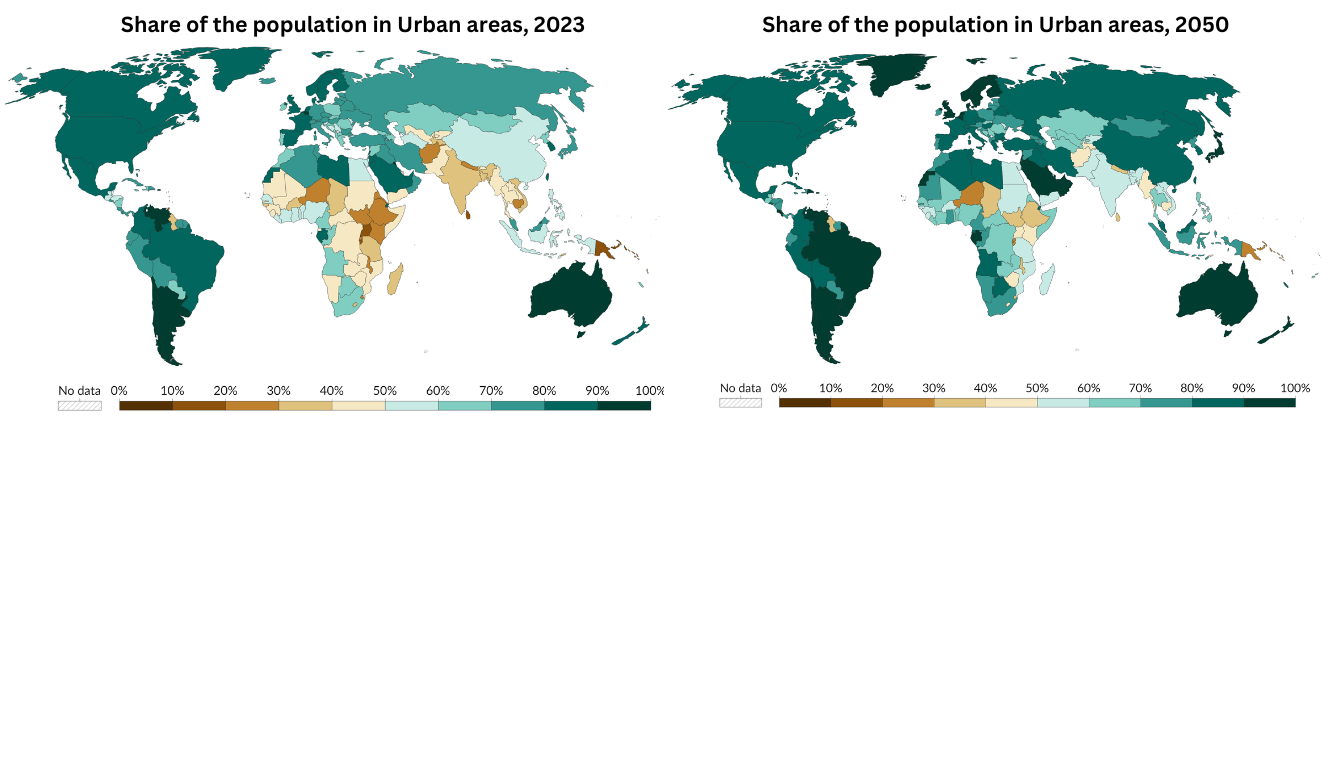
an unprecedented rate, with over 56% of the world's population now residing in
urban areas. This surge is driven by both natural population growth and
significant migration from rural regions, as people seek better economic
opportunities in cities. As a result, the global urban population is expected
to reach 4.6 billion by 2024, an increase from 4.4 billion in 2021. This
transformation accelerated in recent centuries, with a pivotal moment occurring
in 2007 when urban populations surpassed rural ones.
Source: OurWorldinData
Read on to discover how urbanization is transforming our world and what the future holds.
Global Urban Population Distribution
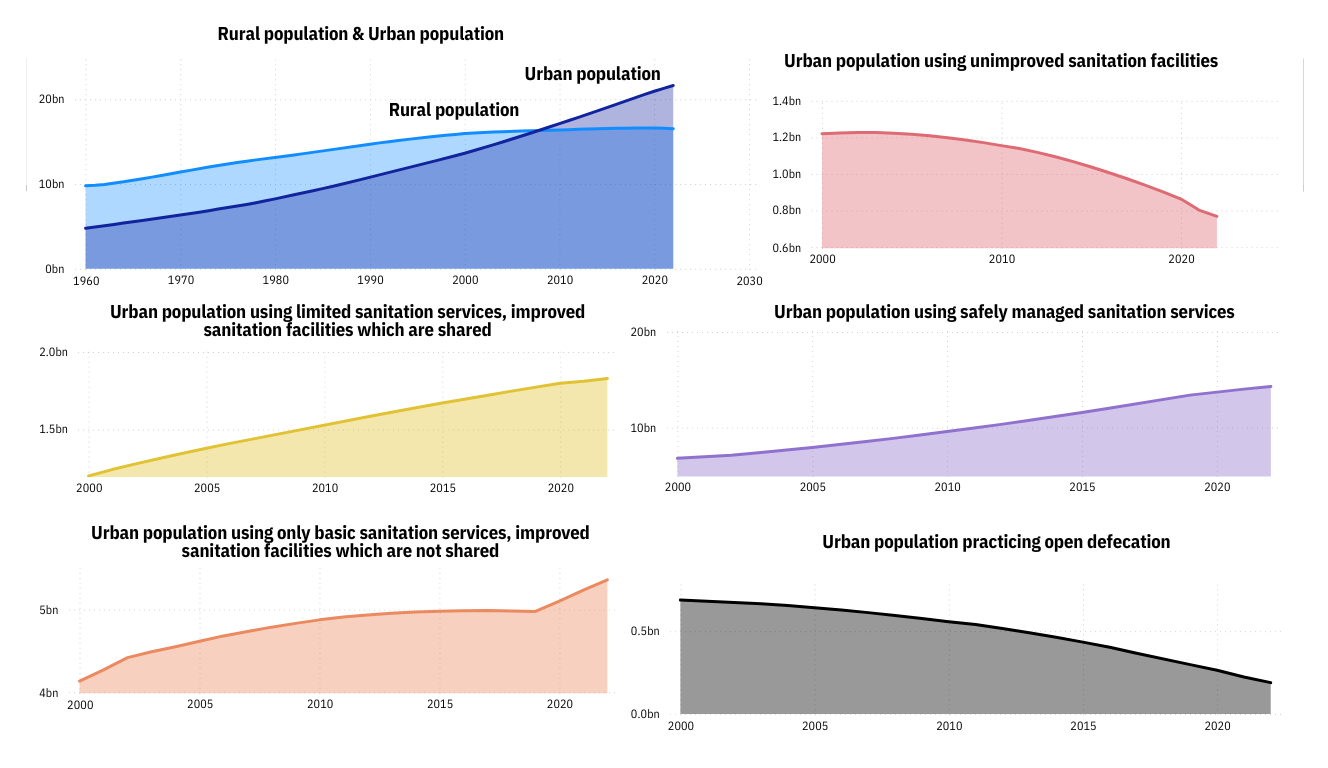
Urbanization is not uniform across the globe. In high-income countries, over 80% of the population resides in urban areas, whereas many low and lower middle-income countries still have majorities in rural areas. However, many of these developing countries are witnessing rapid rural-to-urban transitions due to economic growth, migration, and better living opportunities in cities.
Source: OurWorldinData Chart: IDREA
Importance of Understanding Urbanization
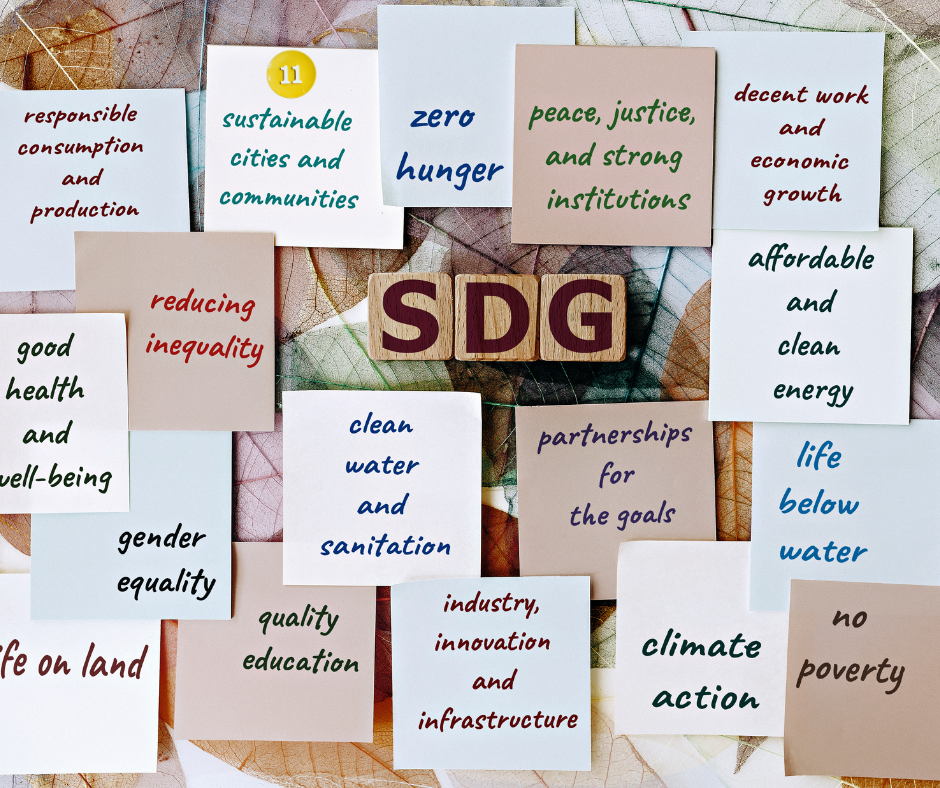
Urbanization is critical for planning and resource allocation in housing, healthcare, education, and employment. Effective urban planning, based on a deep understanding of population trends, is key to achieving Sustainable Development Goal 11 (SDG 11), which focuses on building inclusive, safe, resilient, and sustainable cities.
Future Projections and Trends
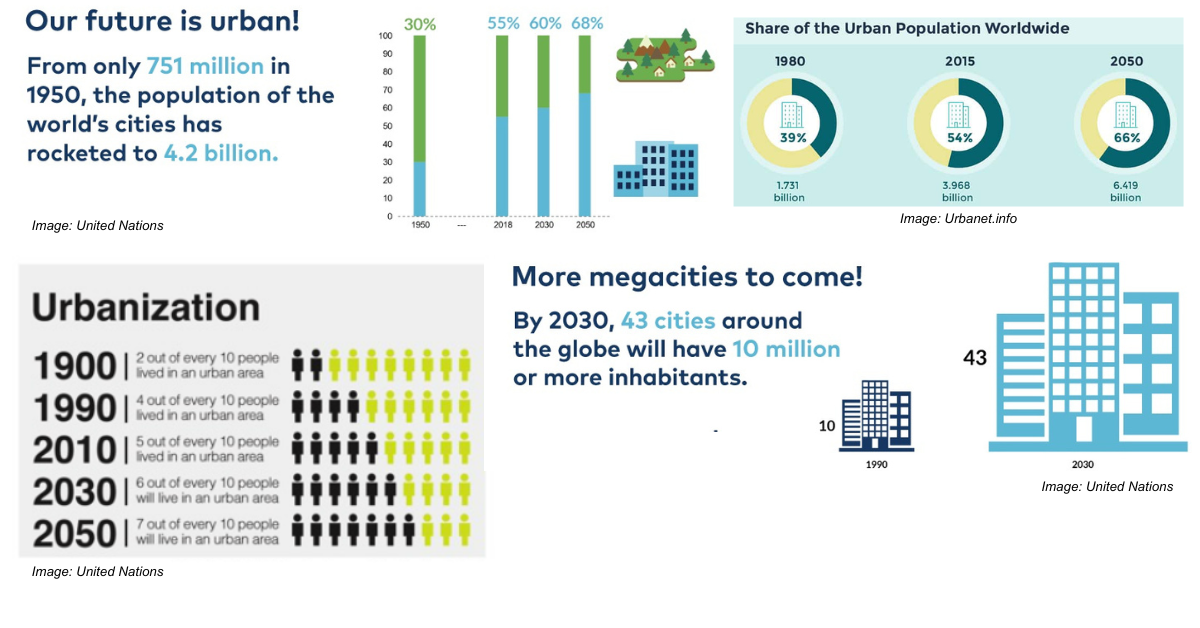
By 2050, projections indicate that more than two-thirds of the global population will live in urban areas. This shift will significantly alter living standards, with urban dwellers generally enjoying better access to essential services like electricity, sanitation, and clean water compared to rural populations. However, this growth also brings challenges, particularly for underdeveloped regions.
Urban Poverty and Slums
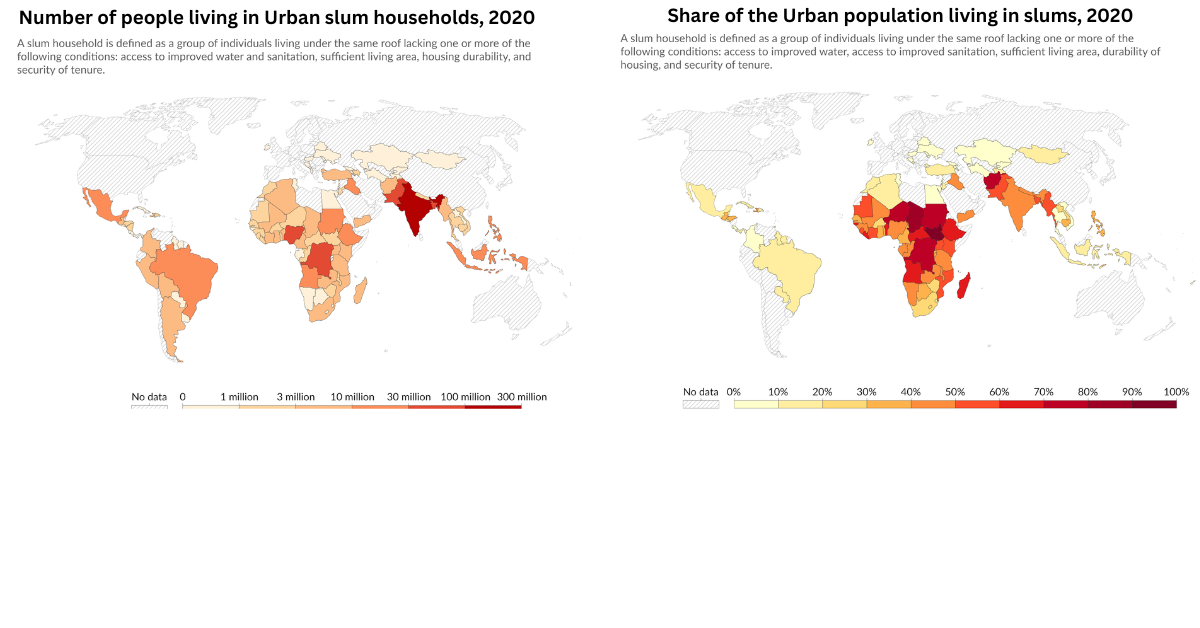
A significant portion of urban populations live in poverty. Globally, 1 in 4 city dwellers resides in slums, facing inadequate living conditions. While some countries, like Vietnam, have made strides in reducing slum prevalence, others, especially in Sub-Saharan Africa, continue to face high rates of urban poverty. The growth of slums is faster in smaller cities and towns compared to major cities.
Source: OurWorldinData
Transportation and Infrastructure
Challenges
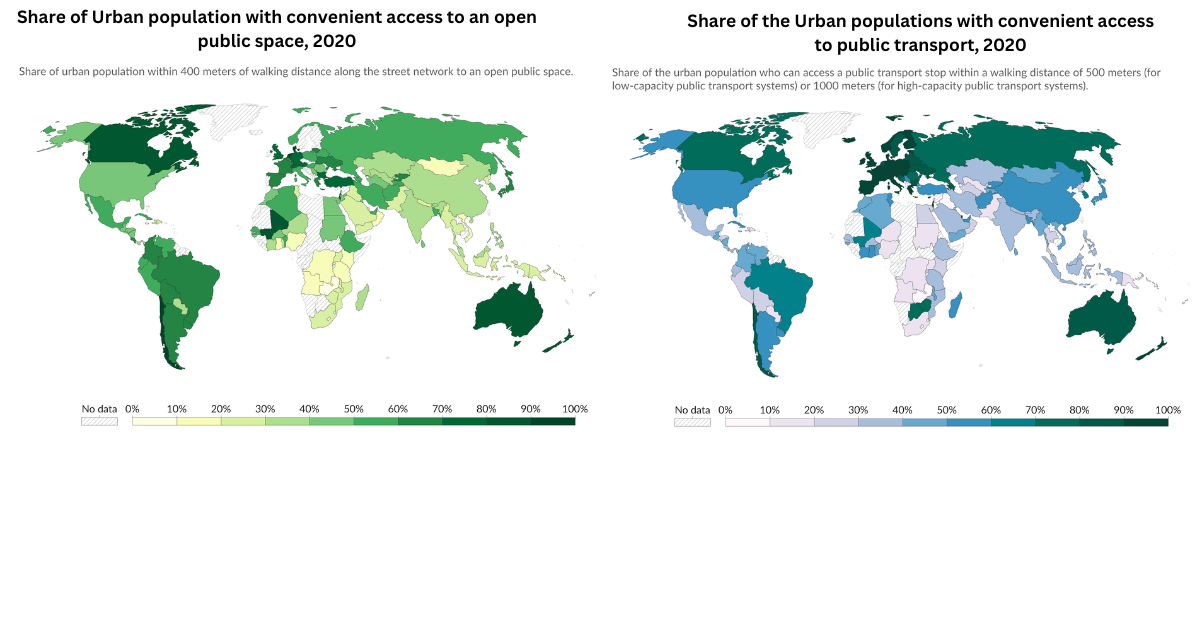
Urban transportation is becoming an increasingly pressing issue. In 2022, only 51.6% of the global urban population had access to reliable public transport. Developing affordable and sustainable transport systems is critical, particularly in rapidly urbanizing and developing regions. Furthermore, issues like urban sprawl are contributing to unsustainable city growth, as cities expand outward at a pace faster than population growth, leading to less dense, resource-intensive urban development.
Source: OurWorldinData
Environmental Concerns: Air Pollution and
Public Spaces
Air pollution poses a severe challenge, not
only to urban centers but also to surrounding towns and rural areas. Low- and
middle-income countries often report less data on air pollution, but it's a
growing concern globally. Additionally, cities face shortages in public spaces,
with over three-quarters of cities dedicating less than 20% of their area to
public spaces and streets. This deficiency impacts the overall quality of urban
life and limits sustainable development.
Disaster Risk Reduction Strategies
Disaster risk management is becoming more
critical as urbanization intensifies. By the end of 2022, the number of
countries with national disaster risk reduction strategies had increased to
126, up from 55 in 2015. These strategies are crucial to mitigating risks
associated with rapid urbanization, such as climate-related disasters.
World Population and Urbanization
Projections
As of now, 55% of the world’s population
lives in urban areas, and this figure is expected to rise to 68% by 2050. This
surge in urban population, coupled with global population growth, could result
in an additional 2.5 billion people residing in cities, primarily in Asia and
Africa. Countries like India, China, and Nigeria will be at the forefront of
this growth, with India projected to add 416 million urban inhabitants by 2050,
followed by China and Nigeria with 255 million and 189 million respectively.
Global Urbanization Trends and Population Decline in Some Areas
While urbanization is increasing globally,
some cities in low-fertility regions, particularly in Asia and Europe, have
seen population decline due to economic downturns, natural disasters, and
emigration. Additionally, while the rural population stands at around 3.4
billion today, it is expected to decline to 3.1 billion by 2050, with Africa
and Asia hosting nearly 90% of the rural population.
Mega Cities and Sustainable Urbanization
By 2030, the world will likely have 43
megacities (urban centers with over 10 million residents), with the majority
located in developing regions. The creation of sustainable urban environments
is critical for addressing the challenges posed by these large populations.
Particularly in low-income countries, it is vital to meet the needs of growing
urban populations through inclusive policies that prioritize infrastructure,
social services, and disaster risk management.
Challenges and Policies for Urban Growth
Urban growth requires well-integrated
policies that balance the needs of both urban and rural populations.
Policymakers must focus on providing housing, education, healthcare,
employment, and safety to marginalized urban groups. These policies are essential
for ensuring sustainable urban growth and equitable resource distribution.
The Role of the World Bank in Sustainable
Urban Development
The World Bank plays a significant role in
promoting sustainable and inclusive urban development. Each year, the bank
invests approximately $5 billion in urban projects, focusing on affordable
housing, infrastructure, basic services, and jobs for the urban poor. These
projects cover a wide range of urban development goals, including climate
resilience and financial frameworks to attract sustainable investments.
Urbanization’s Environmental Impact and
Resilience Strategies
As urbanization expands, cities are confronted with challenges like high energy consumption, greenhouse gas emissions, and other environmental issues. Urban sprawl, in particular, leads to unsustainable land-use patterns. Cities are also on the front lines of addressing climate change and combating health challenges, such as the COVID-19 pandemic.
Urban resilience strategies, supported by
organizations like the World Bank, align with the Sustainable Development Goals
(SDGs) and aim to reduce poverty, promote shared prosperity, and bolster
cities’ capacity to handle future challenges. By building climate-resilient
urban infrastructure and systems, cities can prepare for and mitigate the
effects of climate change and related disasters.
Environmental Challenges Posed by Urbanization
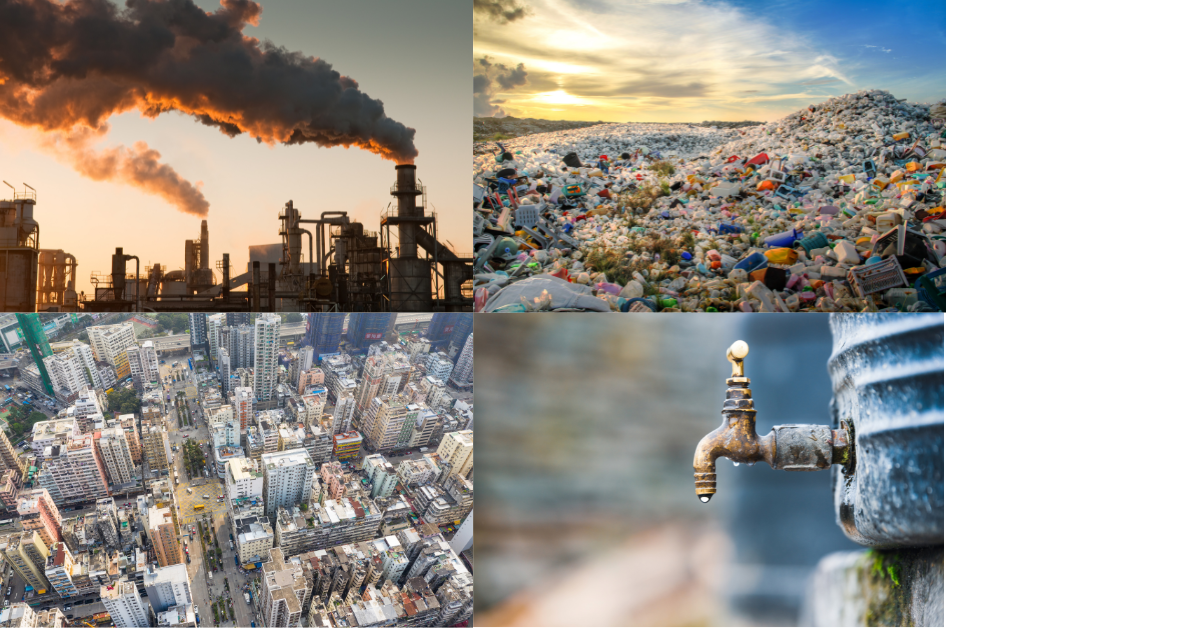
The concentration of people, industries, and transportation in urban
areas creates substantial environmental impacts, including:
Air Pollution: Urban areas account for over 75% of global carbon emissions. Cities
like New Delhi, Beijing, and Mexico City struggle with high levels of air
pollution, often exceeding the World Health Organization (WHO) air quality
guidelines. In 2024, it’s estimated that 1 in 5 premature deaths globally are
linked to poor air quality, largely due to urbanization-driven pollution.
Water Scarcity: With urban areas growing rapidly, the demand for water has outpaced
supply in many regions. In cities such as Cape Town (South Africa) and Mexico
City, water scarcity is a critical issue, compounded by climate change. By
2024, nearly 1.8 billion people in urban areas experience some form of water
stress, forcing cities to adopt water conservation and recycling measures.
Waste Management: In 2024, urban populations generate over 2.4 billion tonnes
of solid waste annually, with poor waste management infrastructure in
developing cities leading to increased landfill use, soil contamination, and
public health hazards. For instance, Jakarta and Dhaka struggle with inadequate
waste collection systems, contributing to severe flooding during the rainy
season.
Urban Sprawl and Habitat Loss: The horizontal expansion of cities leads to
the destruction of natural ecosystems. Deforestation, wetland destruction, and
loss of biodiversity are direct consequences of unchecked urban sprawl. In
Amazonian cities like Manaus, urbanization has been linked to the clearance of
over 10,000 square kilometers of rainforest.

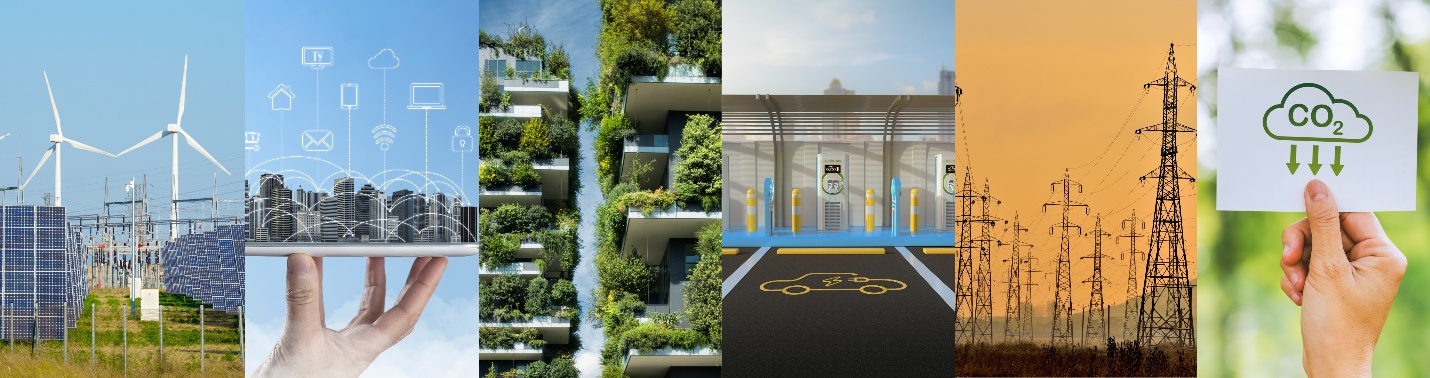
To mitigate the environmental impacts of rapid urbanization, cities are
increasingly adopting sustainable and renewable energy developments alongside
smart city initiatives to manage resources efficiently and reduce pollution.
Below is a comprehensive list of these key developments:
The Role of Renewable Energy in Urban Sustainability
Solar Energy Integration
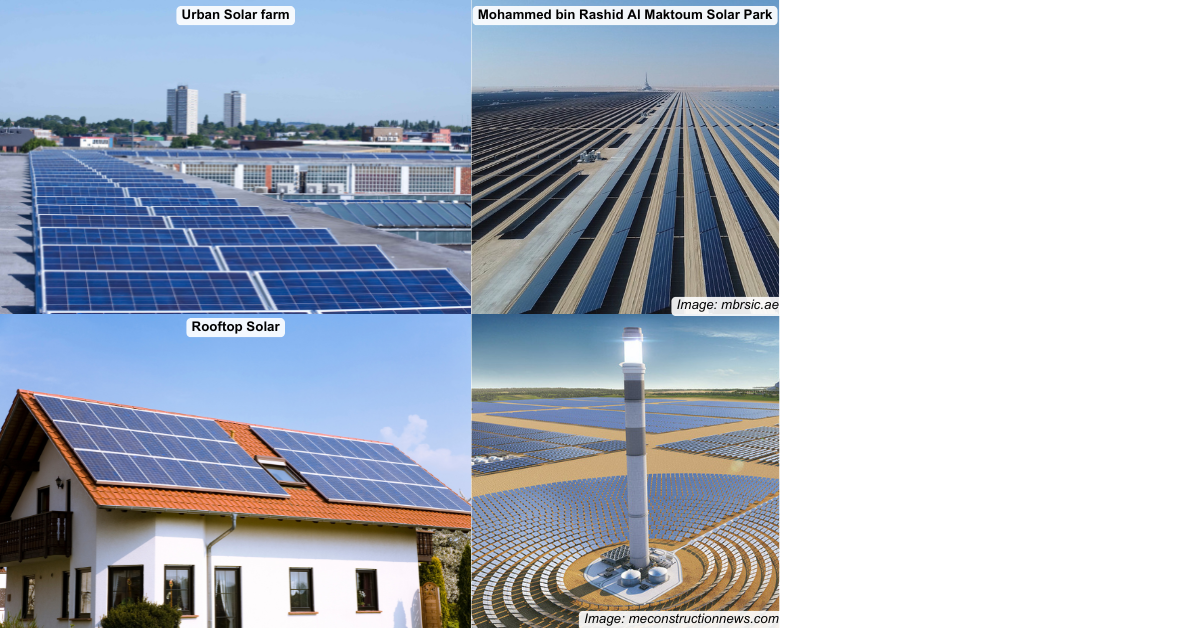
Cities like Dubai, Los Angeles, and Sydney have integrated large-scale
solar projects into their energy mix. For example, Dubai's Mohammed bin Rashid
Al Maktoum Solar Park, with a 5 GW capacity, powers over 1.5 million homes.
Rooftop solar and urban solar farms are becoming common in many cities,
further reducing reliance on fossil fuels.
Wind Energy Expansion
Offshore and urban wind farms are growing, with Europe and China leading
in wind energy projects. Offshore wind installations near cities like
Copenhagen and Shanghai help significantly reduce fossil fuel dependency.
Europe alone produces 65 GW of offshore wind energy, powering nearly 10
million households.
Hydropower Utilization
Hydropower remains a critical renewable energy source for cities near
water bodies. Brazil’s Itaipu Dam provides clean energy to cities like Curitiba
and São Paulo, demonstrating the potential of water-based power generation.
Energy Storage Systems

Energy storage technologies, such as battery energy storage systems
(BESS), allow cities to store surplus renewable energy, ensuring consistent
supply during peak demand and mitigating grid stress.
Decentralized Grids

Decentralized energy grids improve urban energy efficiency by reducing
transmission losses and making cities more resilient to energy disruptions.
Electric Vehicle (EV) Infrastructure
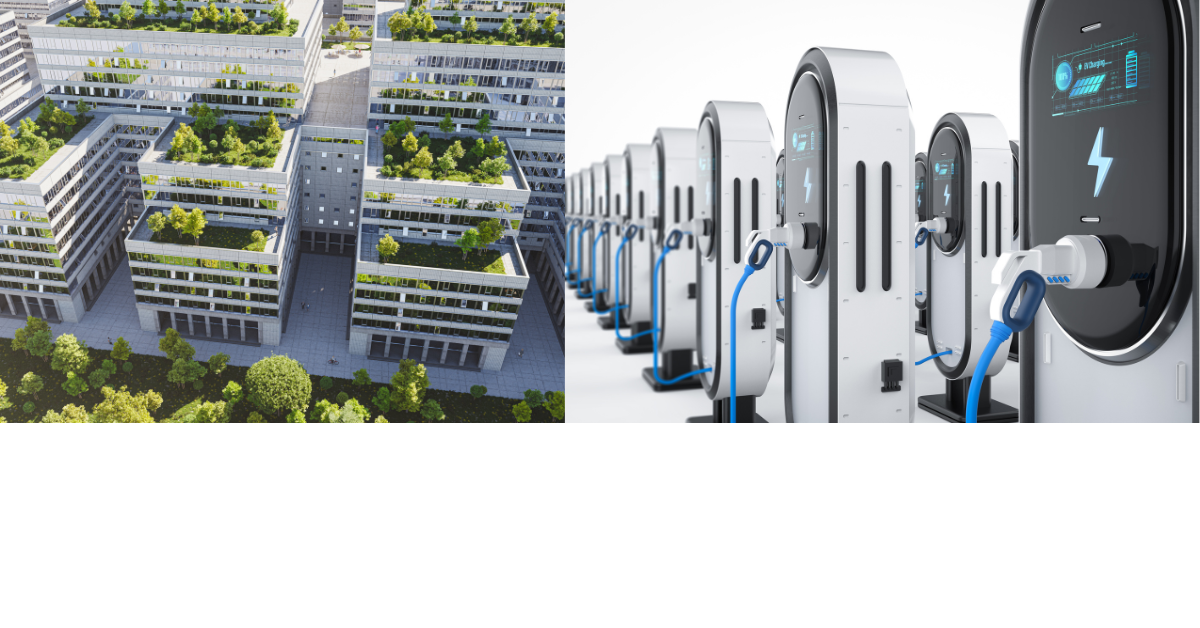
Cities like Oslo and Amsterdam are expanding EV infrastructure,
promoting the use of shared mobility services, and reducing vehicle emissions.
Oslo is on track to eliminate gasoline and diesel vehicles by 2025.
Smart City Initiatives: The Path to Sustainable Urban Growth
Energy-Efficient Buildings
Green buildings and energy-efficient retrofits are central to smart
cities. Singapore’s Green Mark scheme encourages the construction of
eco-friendly buildings that significantly lower urban carbon footprints.
Smart Transportation
Electric vehicles, autonomous public transport, and shared mobility
services are critical to reducing pollution. Oslo and Amsterdam lead in EV
infrastructure expansion and are pioneering smart mobility solutions.
Waste and Water Management
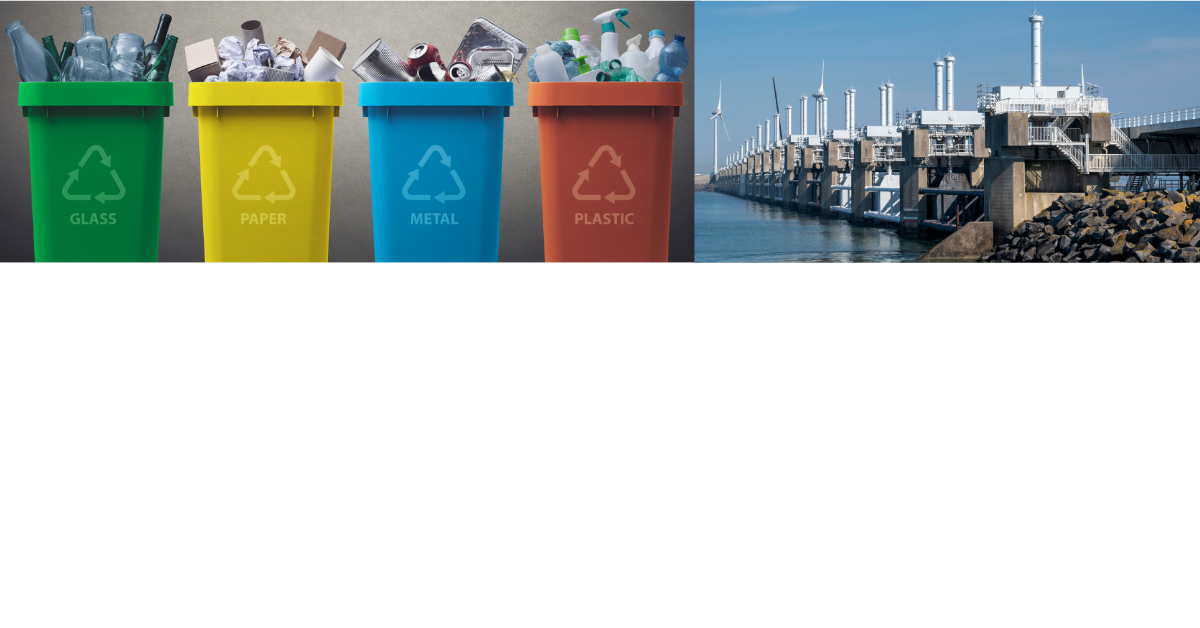
Smart waste collection and water management systems are employed by
cities like Barcelona and Seoul, using IoT-enabled technologies to optimize
waste recycling and prevent water loss through real-time leak detection. These
sustainable energy developments and smart city strategies are crucial for
combating urbanization's environmental impacts and fostering cleaner, more
efficient urban living.
Urbanization is rapidly transforming global populations, with more than
half of the world now living in cities, a trend expected to intensify in the
coming years. While urban areas offer better access to essential services and
act as engines of economic growth, they also face significant challenges such
as urban poverty, inadequate transportation, and environmental degradation. In
2024, these issues are becoming more pronounced, but they also present
opportunities to rethink urban development.
By embracing renewable energy solutions, implementing smart city
initiatives, and integrating technologies like IoT and AI, cities can strike a
balance between growth and sustainability. Developing inclusive and resilient
urban policies, addressing air pollution, and promoting sustainable growth will
be critical in shaping cities that improve living standards without
compromising environmental health. Urbanization is inevitable, but with the
right strategies, it can be aligned with broader goals of sustainability. The
decisions made today will define the future of urban living for billions of
people around the world.