Shocking Truth: Climate Change Is Pushing India’s Most Iconic Species to The Edge
Published on May 26, 2025
Shocking Truth:
Climate Change Is Pushing India’s Most Iconic Species to The Edge
India is one of the
world's most biodiverse nations, home to iconic species like the Bengal
tiger, Asiatic lion, and snow leopard, along with countless other animals
that form the foundation of its ecosystems. However, this rich biodiversity is
under serious threat, not only from poaching and deforestation but also from an
even greater danger, climate change.
Rising temperatures,
erratic monsoons, and large-scale habitat destruction are pushing species
toward extinction. Wildlife is being forced into disruptive migrations, which
destabilize fragile ecosystems. The consequences may be far more severe than we
anticipate unless we take urgent action now.
1.
Wildlife on the Move: Changing Habitats and Migration Patterns
Climate change is
significantly reshaping geographical landscapes, leading to widespread
transformations in both habitats and migratory patterns. This impact is most
evident in species that rely on specific temperature ranges for survival.
- Shifting rainfall
patterns have caused elephants in southern India to wander beyond
their usual territories, increasing human-elephant conflicts in Andhra
Pradesh.
- Snow leopards in
the Himalayas are being pushed
to higher altitudes as their traditional hunting grounds continue to warm.
- Rising sea levels
are gradually eroding the habitat of Sundarbans tigers, forcing
them further inland and sometimes bringing them into conflict with human
settlements.
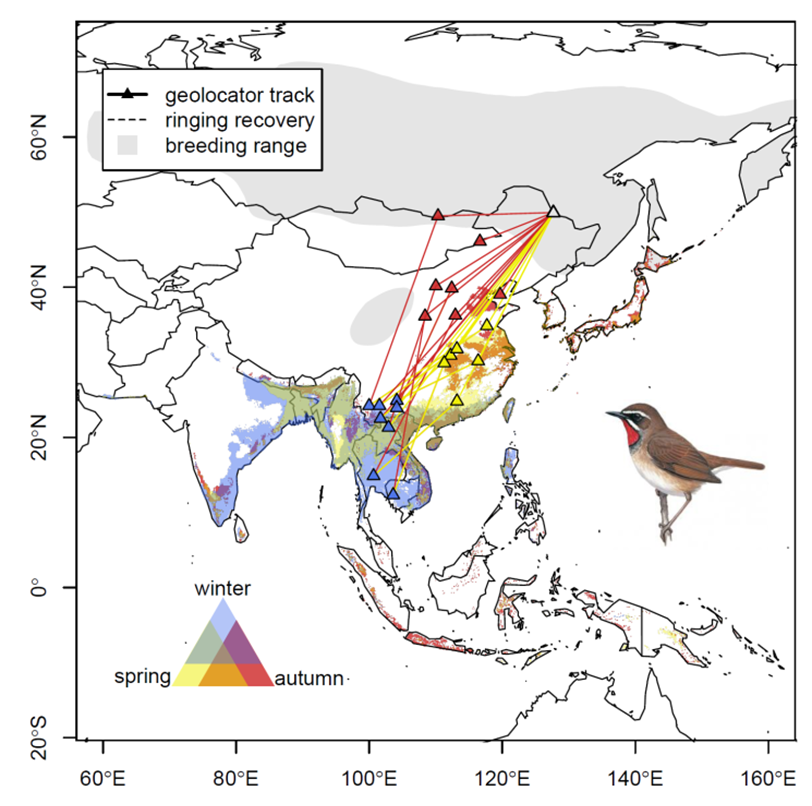
Mapping out the flightpaths of bird species
affected by climate change, displaying breeding, hibernating and regular
adventures right across Asia. (Image Courtesy:
2.
Heatwaves: A Silent Killer of Indian Wildlife
India has recently
experienced extreme heatwaves, with temperatures surpassing 50°C
(122°F) in some regions. These rising temperatures are leading to widespread
drying, increased mortality, and reduced reproductive success for many
species.
- High temperatures
pose a serious threat to egg incubation, further endangering the
already critically endangered Great Indian Bustard.
- Reptiles like the
Indian Star Tortoise are also struggling, as the intense heat
disrupts their reproductive cycles and survival patterns.
- Water shortages
in national parks such as Ranthambore have led to more frequent
territorial conflicts among tigers, resulting in unnecessary fatalities.
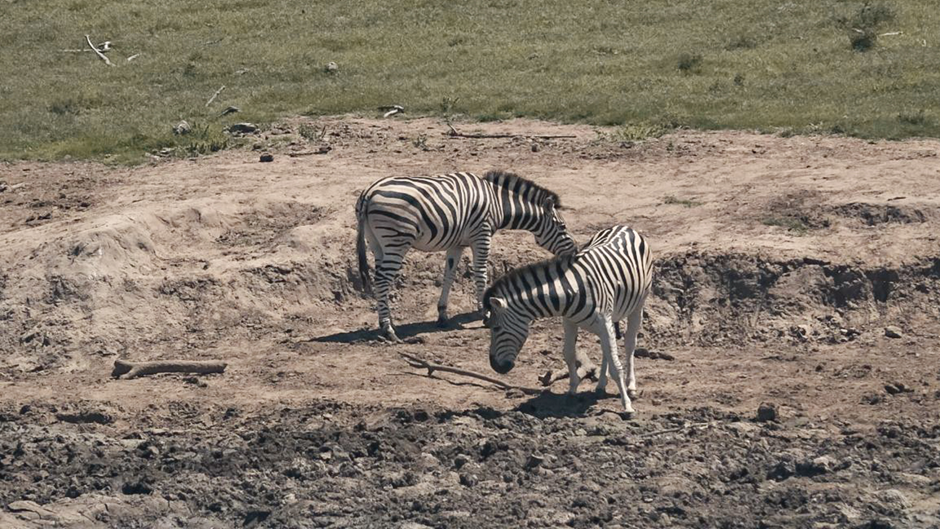
Extensively spurred by climate change,
droughts are causing these zebras, alongside an abundance of other animals, to
encounter large difficulty in pinpointing water sources, thereby engendering
habitat depletion and markedly elevated mortality rates.
(Image Courtesy: animalsurvival.org)
3.
Monsoon Uncertainty: A Double-Edged Sword
India’s rich wildlife
remains closely tied to the intense monsoon rains that influence
everything from lush vegetation to the availability of essential
water sources. However, climate change is making monsoons
increasingly unpredictable, with some years bringing heavy rainfall and
others resulting in severe drought.
- Shrinking water
sources are causing a
decline in wetland bird populations, including the migratory
Siberian Crane, which depends on the Bharatpur
marshlands for survival.
- Frequent and
severe flooding is placing one-horned
rhinoceroses in Kaziranga National Park at greater risk of
drowning, making their survival even more precarious.
- Reptiles and
amphibians, which rely on
monsoons for breeding, are struggling to reproduce as unpredictable
conditions disrupt their natural cycles.
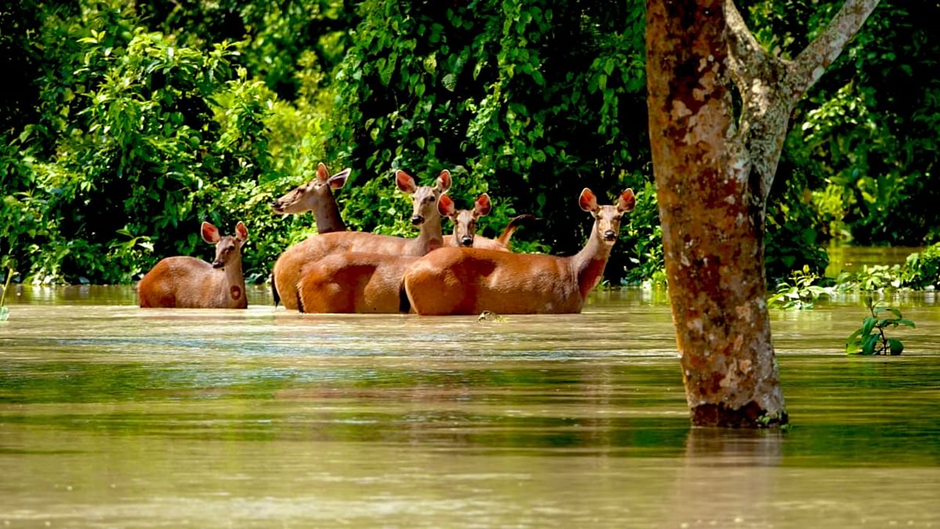
Torrential monsoons, alongside escalating
inundation within Assam’s Kaziranga National Park, are endangering indigenous
fauna, thus obliging creatures such as these deer to navigate deep waters.
(Image Courtesy: the quint)
4.
The Sinking Sundarbans: A Fight for Survival
The Sundarbans,
the world’s largest mangrove forest and home to the iconic Royal
Bengal Tiger, is steadily disappearing.
- Rising sea levels are swallowing entire islands, forcing
tigers into shrinking territories and increasing competition for space.
- Saltwater
intrusion is proving fatal
for freshwater-dependent species like fish, deer, and birds, which
play a crucial role in maintaining the food chain.
- The delicate
ecosystem is facing severe damage due to the increasing frequency of cyclones,
further destabilizing wildlife and habitats.
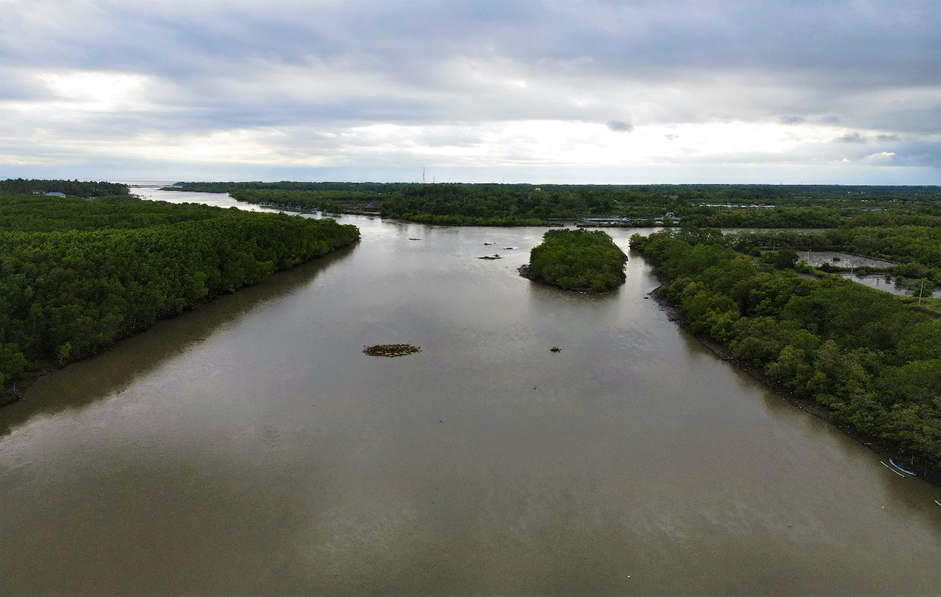
The special Sundarbans ecosystem, celebrated
as the Royal Bengal Tiger's habitat, is slowly disappearing due to rising sea
levels and greater saltwater intrusion, putting it at risk. (Image Courtesy: thestateman)
5.
Coral Bleaching: India’s Underwater Forests in Peril
It is important to
recognize that land-based species are not the only ones at risk. Indian
coral reefs, which support over a quarter of all marine life, are
rapidly declining due to ocean warming and acidification.
- Coral bleaching is becoming increasingly common in the Lakshadweep
and Andaman & Nicobar Islands, leading to a sharp decline in fish
populations.
- Rising ocean
temperatures are disrupting marine
food chains, affecting dolphins, turtles, and deep-sea fish
that depend on cooler waters for survival.
- Local fishing
communities face economic
uncertainty, as their livelihoods are deeply tied to the health of
coral reefs.
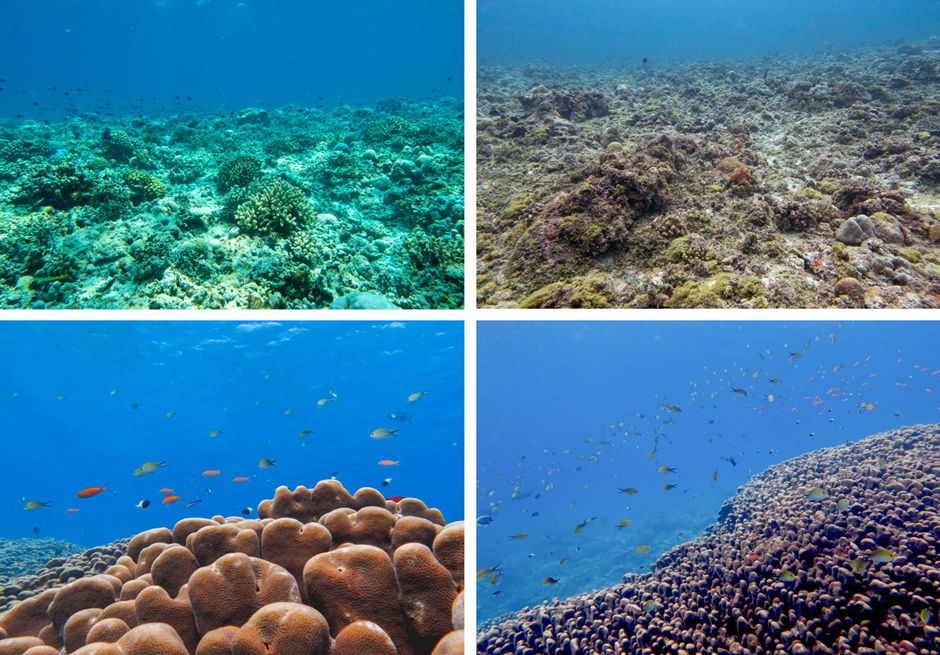
The escalation in sea temperatures is
devastating to many marine ecosystems and jeopardises both large fish stocks
and wide-ranging biodiversity. This predicament provides an impressive contrast
when one observes flourishing corals as opposed to depauperate ones. (Image
Courtesy: undp)
6.
Invasive Species and Disrupted Food Chains
As temperatures
continue to rise, invasive species of both plants and animals are spreading,
often harming native wildlife.
- The water
hyacinth, an aggressive
aquatic plant, is rapidly spreading across lakes and rivers,
depleting oxygen levels and suffocating native fish populations.
- Pest populations are increasing, with species like Tuta
absoluta, a major threat to tomato crops,
now appearing in regions where they were previously absent.
- Herbivore numbers are declining in some wildlife
reserves, reducing prey availability for larger predators and
disrupting the natural balance of ecosystems.
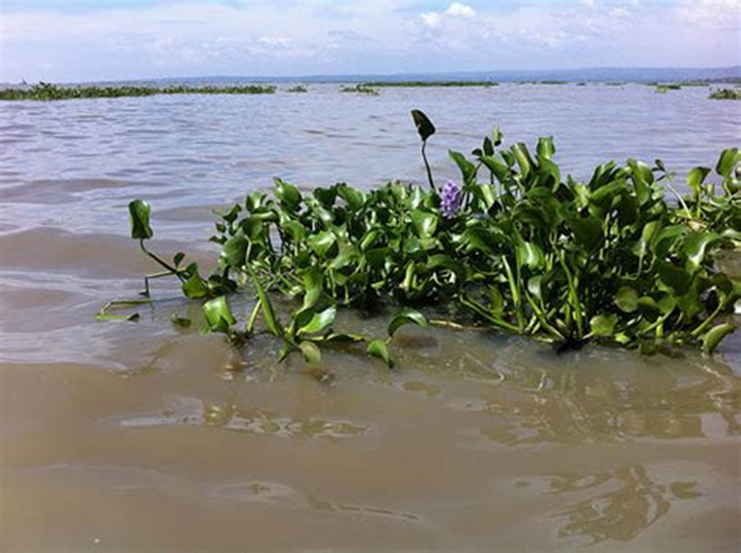
The rampant incursion of species, like the
Water Hyacinth, is severely stifling India’s freshwater lochs as well as
rivers, extensively depleting oxygen levels in addition to jeopardising native
aquatic life. (Image Courtesy: sundance)
What Can Be Done?
While the situation
may seem challenging, conservation efforts have proven to be effective and can
bring about positive change. The following actions are essential:
- Expanding and
restoring wildlife corridors will provide safe migration routes for
many species.
- Water
conservation initiatives in national parks help reduce heat-related
wildlife fatalities.
- Community-led
conservation programs play a crucial role, particularly those led
by indigenous groups and forest communities that have long
protected local ecosystems.
- Strong climate
policies must prioritize
biodiversity protection to ensure long-term ecological balance.
- Marine
conservation efforts are vital for safeguarding coral reefs and
preventing further bleaching.