Green Hydrogen: Key Discussions at the India Energy Transition Summit 2025
Published on February 24, 2025
Green Hydrogen: Key Discussions at the India
Energy Transition Summit 2025
The India Energy Transition Summit 2025,
organized by FICCI on January 29-30 in New Delhi, highlighted India’s
ambitious plans and strategic initiatives to scale up green hydrogen as
a critical component of its clean energy transition. The summit brought
together policymakers, industry leaders, and international stakeholders to
discuss pathways to accelerate green hydrogen adoption, infrastructure
development, and global collaborations.
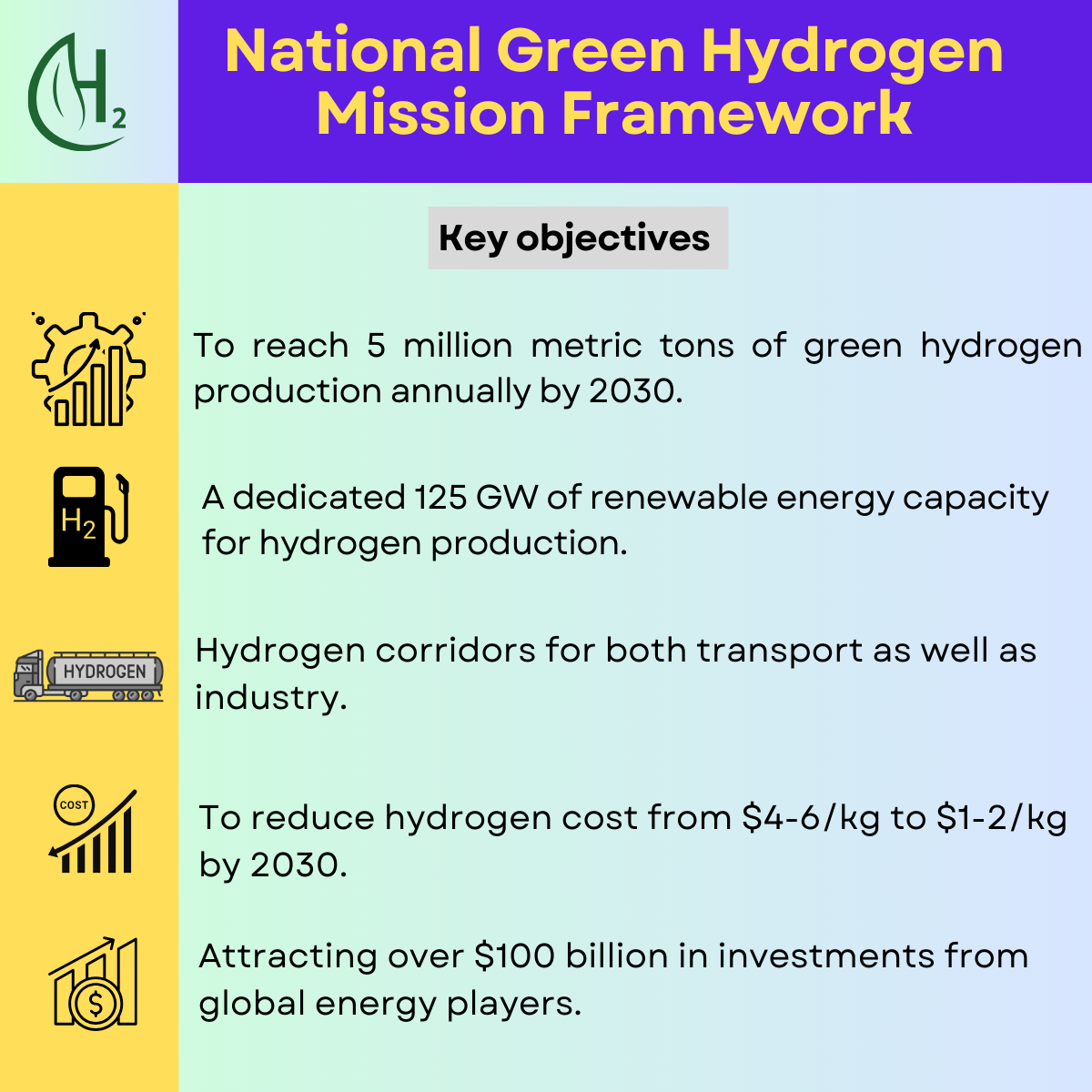
With its National Green Hydrogen Mission,
India is striving to become a global leader in hydrogen production and export.
The deliberations at the summit will play a crucial role in shaping the roadmap
for large-scale adoption, infrastructure development, and international
collaborations, reinforcing India’s commitment to a sustainable and
decarbonized future.
Government
Initiatives for Green Hydrogen Development
The Indian government has outlined several
measures to drive green hydrogen growth and make it a commercially viable
energy source:
- ₹19,744 crore ($2.4 billion) investment has been fully allocated for developing hydrogen infrastructure,
emphasizing production, storage, and distribution.
- Waiver of transmission charges for
renewable-powered hydrogen production facilities to incentivize domestic
manufacturing.
- Subsidies for electrolyser manufacturing to reduce capital costs and promote local production.
- Bilateral agreements with global partners such as Germany, Japan, and Australia for technological
advancements and collaborative R&D in hydrogen technology.
Applications
of Green Hydrogen in Key Sectors
The summit discussions underscored green
hydrogen’s role in revolutionizing multiple sectors:
- Heavy Transport:
Hydrogen fuel cells are seen as a sustainable alternative to diesel in
trucks, buses, and rail networks.
- Industrial Decarbonization: Green
hydrogen can replace coal in steel production and natural gas in fertilizer
manufacturing, significantly reducing emissions.
- Energy Storage & Grid Balancing: Hydrogen’s ability to store energy and reconvert it into
electricity provides a solution to the intermittent nature of renewable
energy sources.
- Aviation & Shipping:
Hydrogen-powered aircraft and ships are under development to reduce
emissions in global trade and travel.
International
Collaborations and Investment Partnerships
India is actively engaging with international
partners to fast-track green hydrogen adoption. The summit emphasized key
collaborations:
- Australia: Joint
research on hydrogen-to-ammonia technology to enhance export capabilities.
- Germany: Co-investments in hydrogen storage
solutions and fuel cell infrastructure.
- Japan: Advanced development of hydrogen-powered
transport networks, including hydrogen rail systems.
These global partnerships are critical in
accelerating technology transfer, cost reduction, and scaling
production capacity to make green hydrogen a globally competitive energy
source.
Challenges
in Scaling Green Hydrogen Production
Despite the optimism, the summit also
addressed key challenges that must be overcome for widespread adoption:
- High Production Costs: Green
hydrogen currently costs two to three times more than fossil fuels.
Lowering electrolyser costs and improving energy efficiency
are crucial for affordability.
- Infrastructure Gaps: The
need for hydrogen storage, refueling
stations, and pipeline networks remains a significant barrier.
- Energy Demand:
Producing green hydrogen requires a massive renewable energy supply,
necessitating large-scale solar and wind expansion.
- Regulatory & Policy Framework: While ambitious targets have been set, industry-friendly
regulations and fast-tracked policy implementation are needed
to drive investment.
The summit identified several solutions,
including financial incentives, public-private partnerships, and increased
R&D funding, as critical enablers to overcome these challenges and
boost hydrogen adoption.
India’s
Roadmap to a Hydrogen Economy
India’s push for green hydrogen is a strategic
move beyond environmental benefits—it is key to energy security and
economic competitiveness. The summit concluded that India’s leadership in green
hydrogen will depend on:
- Strong policy incentives and regulatory support to attract investments.
- Global cooperation and investment frameworks to scale infrastructure and technology.
- Technology-driven cost reduction strategies to make green hydrogen competitive with conventional fuels.
Key
Takeaways for Industry Stakeholders
The summit posed critical questions that will
shape the next phase of India’s hydrogen economy:
- How can production costs be reduced to accelerate adoption?
- What role can private sector investments play in building hydrogen
infrastructure?
- How can India position itself as a major exporter of green
hydrogen?
The India Energy Transition Summit 2025
reinforced the urgency of accelerating research, infrastructure development,
and financial mechanisms to position India as a global leader in the
hydrogen economy.