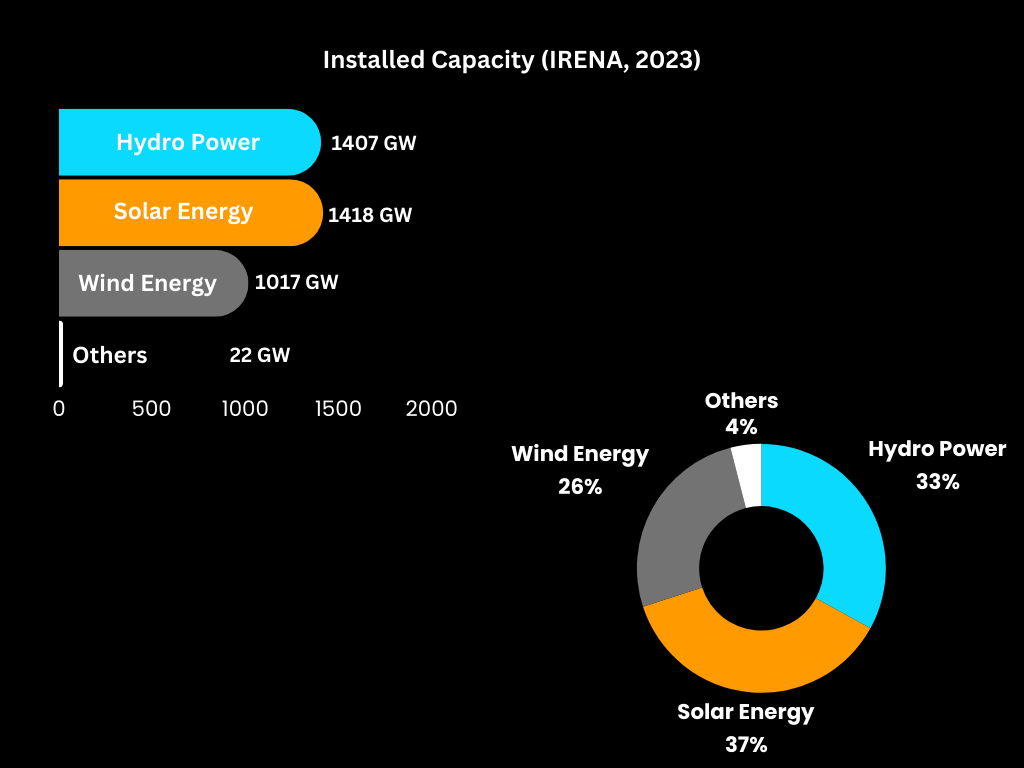
The sun takes the lead - 1,418 GW of solar energy now powers the world, surpassing hydropower
Published on September 5, 2024
The sun takes the lead - 1,418 GW of solar
energy now powers the world, surpassing hydropower
Solar Energy Overtakes Hydropower as the Largest Renewable Energy Source
by Capacity: A Milestone in the Renewable Energy Revolution
The world’s total installed solar energy capacity reached an astounding
1418 GW, marking a significant milestone in the global energy transition. This
achievement placed solar energy at the forefront of the renewable energy mix,
overtaking hydropower as the largest renewable energy source by capacity for
the first time. Hydropower, which had long dominated the renewable sector, now
trails solar energy, highlighting the rapid technological advancements and
large-scale adoption of photovoltaic (PV) systems worldwide. Let us explore the
factors behind this monumental shift, focusing on the technological advances
that have contributed to solar energy’s meteoric rise and the implications for
the future of renewable energy.
The Rise of Solar Energy: A Global Phenomenon
The global surge in solar capacity has been fueled by several factors,
including falling costs, government incentives, and increasing awareness of the
environmental benefits of renewable energy. Solar energy has emerged as a
critical pillar in the fight against climate change, offering a clean,
scalable, and sustainable alternative to fossil fuels.
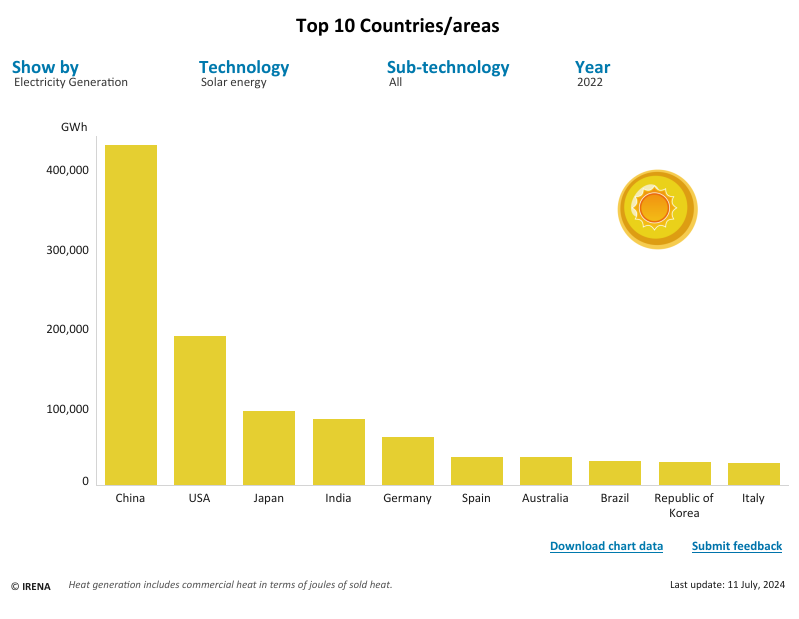
Several key regions, including China, the United States, and the
European Union, have been at the forefront of this solar boom. China's
aggressive investments in solar infrastructure have made it the largest
producer of solar energy in the world, accounting for nearly a third of global
installed capacity. In the United States, solar energy has grown exponentially
due to favorable policies such as tax credits and state-level renewable energy
standards. Meanwhile, Europe has seen a resurgence in solar installations,
particularly in countries like Germany, Spain, and Italy, where favorable solar
irradiance and supportive policies have accelerated growth.
Solar Electricity Generation by Countries (IRENA, 2024)
Solar Installed Capacity by Countries (IRENA, 2024)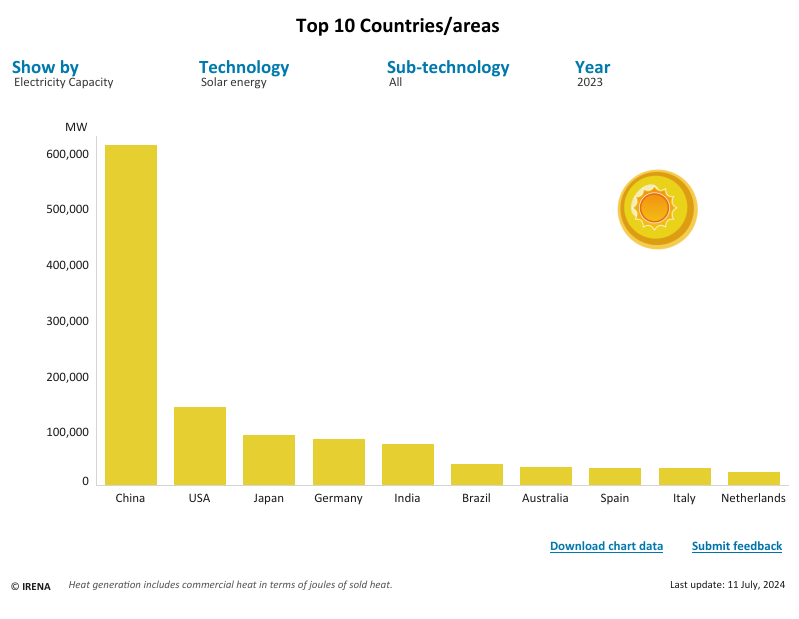
Hydropower's Decline in Comparison to Solar
Hydropower has long been the backbone of renewable energy, providing a
reliable and mature technology for large-scale electricity generation. However,
hydropower's growth has slowed in recent years due to several factors,
including environmental concerns, geographical limitations, and the
increasing variability of water resources due to climate change.
While hydropower plants remain critical for grid stability and energy
storage, especially through pumped storage systems, their growth has been
constrained by the limited availability of new viable locations. The
construction of large dams often faces opposition due to environmental
concerns, such as the displacement of communities and the disruption of
ecosystems. Moreover, the changing hydrological patterns caused by global
warming have made the future of hydropower less predictable, further limiting its
growth potential.
In contrast, solar energy benefits from virtually unlimited potential,
as the sun's energy can be harnessed in almost any location. Advances in solar
technology have enabled the deployment of PV systems in diverse environments,
from deserts to urban rooftops, further enhancing its appeal as a scalable
energy solution.
Key Advances in Solar Energy Driving Growth
Several technological advances have propelled solar energy to the top of
the renewable energy hierarchy. These innovations have improved efficiency,
reduced costs, and expanded the range of applications for solar energy.
1. Next-Generation Photovoltaic (PV) Cells
One of the most significant advances in solar technology has been the
development of next-generation PV cells. Traditional silicon-based solar panels
have dominated the market for decades, but new materials and cell structures
are now pushing the boundaries of efficiency. For example:
Perovskite solar cells: These cells have shown great promise due to their high efficiency and
low manufacturing costs. Perovskites have achieved efficiencies over 25%, rivaling
the best silicon cells, and can be manufactured using less energy-intensive
processes. Their flexibility and lightweight properties also open up new
applications for solar energy in areas like portable electronics and
building-integrated photovoltaics (BIPV).
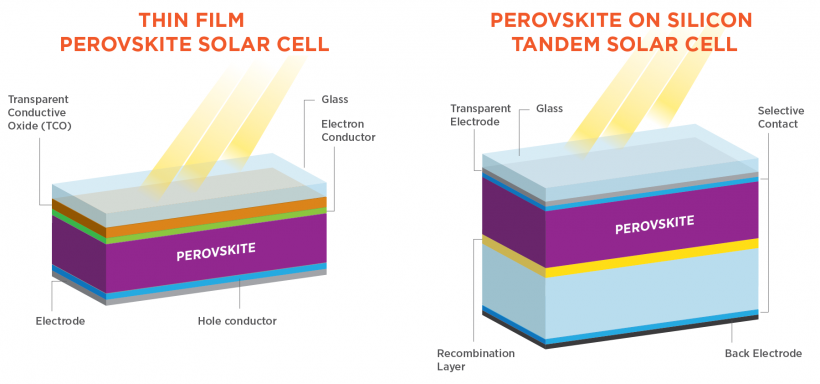 (Source: Energy.GOV)
Tandem solar cells: Tandem designs combine multiple layers of different materials to capture
a broader range of the solar spectrum. By stacking perovskite cells on top of
traditional silicon cells, researchers have achieved efficiencies exceeding
30%, significantly improving the energy output of solar panels.
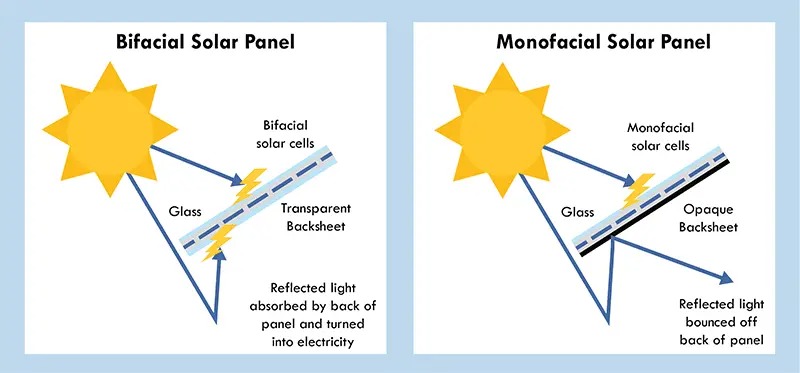
Bifacial solar panels: These panels can capture sunlight from both sides, significantly
increasing their energy generation potential. Bifacial panels are particularly
effective in areas with high albedo surfaces, such as deserts or snowy regions,
where reflected sunlight can be harvested.
 (Source:
Couleenergy.com)
(Source:
Couleenergy.com)
2. Solar Tracking Systems
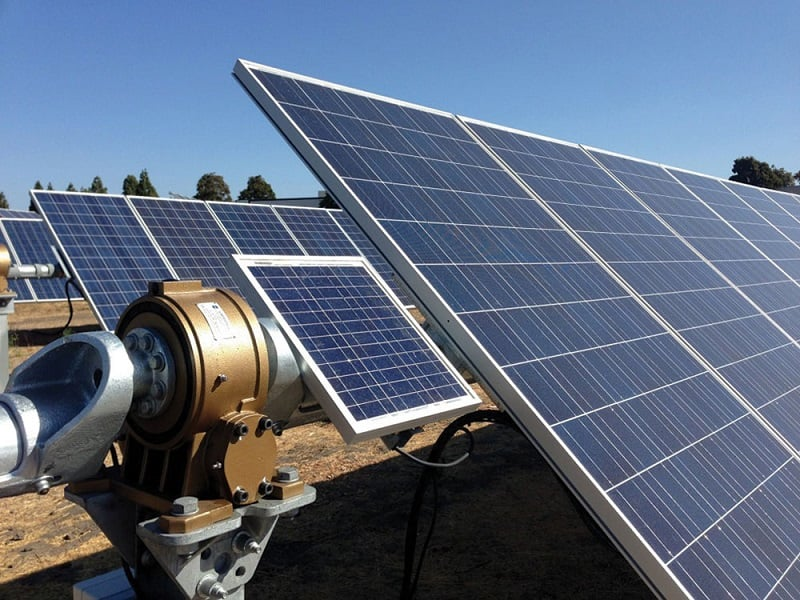
Solar tracking systems have become increasingly common in utility-scale
solar farms. These systems adjust the angle of solar panels to follow the sun’s
path throughout the day, maximizing energy capture. Single-axis and dual-axis
trackers have been widely deployed, with dual-axis systems providing up to 40%
more energy than fixed-tilt systems in optimal conditions. The decreasing costs
of tracking technology, coupled with the increase in energy yield, have made it
a popular choice for large solar installations.
 (Source: marketresearchintellect)
3. Floating Solar Farms (Floatovoltaics)
Floating solar farms, or "floatovoltaics,"
represent a new frontier in solar energy. These systems involve installing
solar panels on bodies of water, such as reservoirs, lakes, and even oceans.
Floating solar farms offer several advantages, including reduced land use,
lower operating temperatures (which improve efficiency), and reduced
evaporation from the water bodies beneath them. Countries like Japan and India
have been pioneers in deploying large-scale floating solar projects,
contributing to the overall increase in solar capacity.
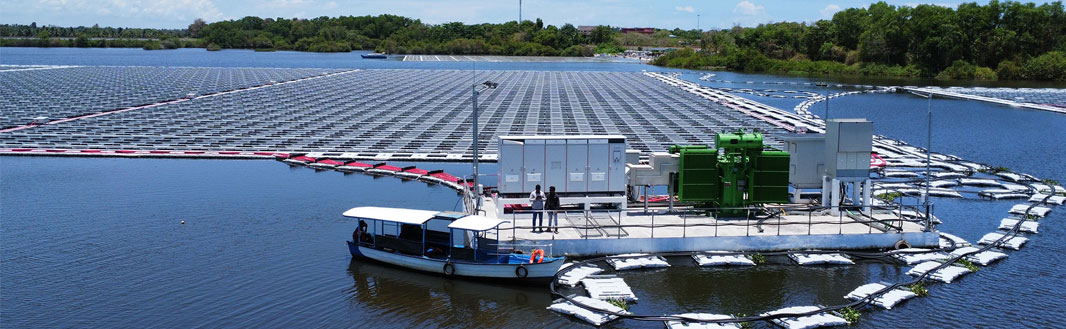 (Tata Power Solar installed India's largest floating 101.6 MW solar
power project in Kayamkulam, Kerala on a 350-acre
water body, backwaters area)
(Tata Power Solar installed India's largest floating 101.6 MW solar
power project in Kayamkulam, Kerala on a 350-acre
water body, backwaters area)
4. Energy Storage Integration
One of the key challenges for renewable energy has always been its
intermittent nature. However, advances in energy storage technology,
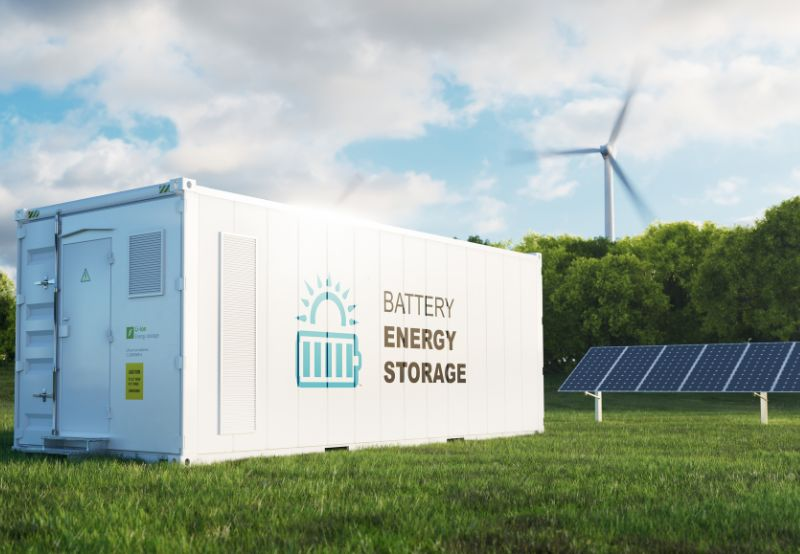
particularly in batteries, are addressing this issue. The integration of solar
energy with large-scale battery storage systems enables solar power to be
stored and used when the sun is not shining, providing a more reliable and
consistent energy supply.
Lithium-ion batteries have been the dominant technology for energy
storage, but new technologies such as flow batteries and solid-state batteries
are gaining traction due to their longer lifespans, higher energy densities,
and improved safety features. Solar-plus-storage solutions are becoming
increasingly viable, allowing solar energy to provide baseload power in regions
with high solar penetration.
 (Image: Mercom)
5. Smart Solar Inverters and Microgrids
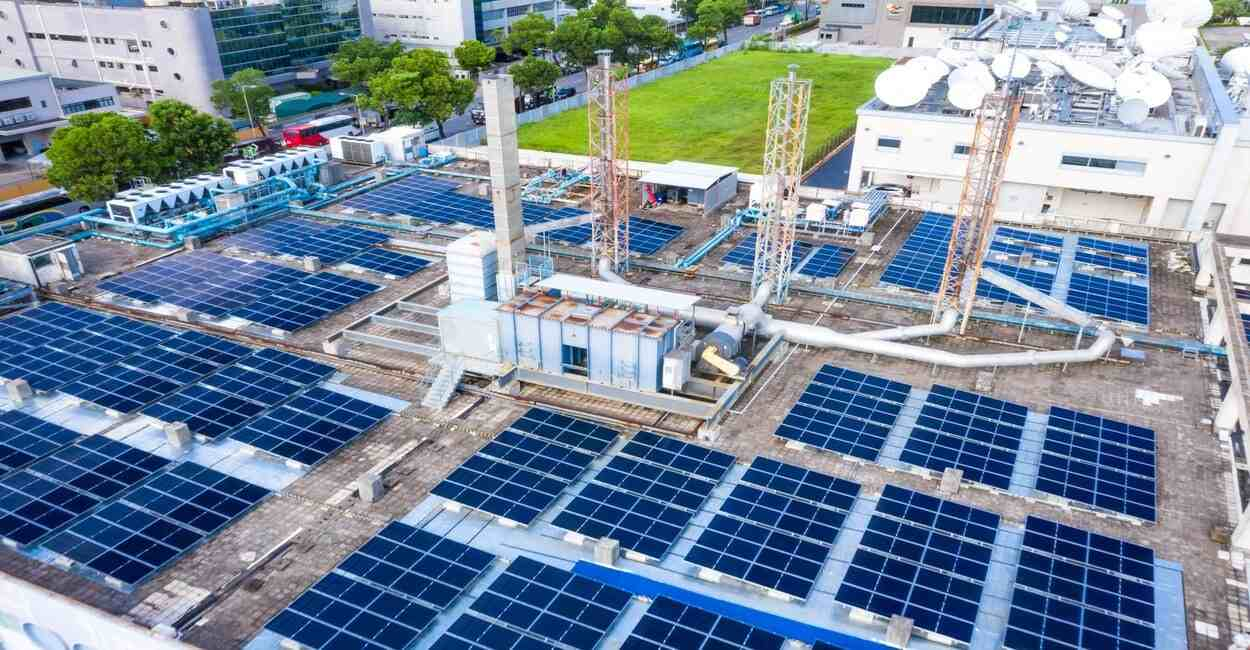
Smart solar inverters are playing a crucial role in optimizing solar
energy generation and integration into the grid. These inverters not only
convert DC power generated by solar panels into usable AC power but also
provide real-time monitoring, voltage regulation, and grid support. Advances in
inverter technology, including the development of string inverters and
microinverters, have improved the efficiency and reliability of solar systems.
In addition to smarter inverters, microgrids powered by solar energy are
becoming more prevalent, especially in remote or off-grid locations. These
microgrids can operate independently of the main power grid, providing reliable
electricity in regions with limited access to traditional infrastructure. They
are also being used to enhance grid resilience in areas prone to natural
disasters.
 (Image:RepublicofSolar)
The Future of
Solar Energy
Solar energy's
rise represents both environmental and economic progress. It generates no
greenhouse gas emissions during operation and has a far smaller environmental
impact compared to fossil fuels, making it vital in reducing carbon emissions
and combating climate change. Economically, the solar industry is a major job
creator, with the global solar workforce surpassing 4 million jobs in 2023,
according to IRENA.
Looking ahead,
solar energy's future is bright. As costs decline and efficiency improves, the
IEA predicts solar could supply up to 30% of global electricity by 2050.
Innovations like solar paints, transparent cells, and wireless charging, along
with integration with smart grids and energy storage, will further boost solar's role in a sustainable, low-carbon future.