India's Growing Water Stress Crisis: Turning Challenges into Opportunities for Sustainable Water Management
Published on June 6, 2026
India's Growing Water Stress Crisis: Turning Challenges into Opportunities for Sustainable Water Management
Water is fundamental to life, economic growth, and environmental sustainability. Yet across India, access to reliable water supplies is becoming increasingly uncertain. From urban neighbourhoods dependent on tanker deliveries to rural communities travelling long distances in search of water, signs of growing water stress are visible across the country.
India supports nearly 18% of the world's population with only about 4% of global freshwater resources. Growing demand from agriculture, industries, and expanding cities is placing unprecedented pressure on available water resources. Water security is no longer just an environmental concern; it has become a critical issue influencing public health, economic development, food security, and climate resilience.
Water Crisis Scenario in India
India is the world's largest user of groundwater, accounting for nearly one-fourth of global groundwater extraction, with approximately 250 billion cubic metres withdrawn annually.
Recent assessments indicate that India's per capita water availability has declined to around 1,486 cubic metres, placing the country in the water-stressed category. Nearly 60 crore people face high to extreme water stress, while several major river basins are approaching critical levels of water scarcity.
Although India receives close to 4,000 billion cubic metres of rainfall annually, only about 1,123 billion cubic metres is considered utilisable due to geographical, technical, and infrastructural limitations. At the same time, reservoir levels in several regions have shown significant declines, highlighting the increasing gap between water demand and available supply.
The challenge is further intensified by population growth, urban expansion, climate variability, pollution, and unsustainable resource management practices.
Understanding the Water Stress Challenge
India's water crisis is not simply a result of insufficient rainfall. It is driven by a combination of environmental, infrastructural, and management-related factors.
Groundwater Depletion
Groundwater serves as the backbone of India's water supply for agriculture, industries, and households. However, excessive extraction through borewells and unsustainable irrigation practices has led to alarming declines in groundwater levels across several regions. Many assessment units across the country are now classified as over-exploited, where extraction exceeds natural recharge rates.
Climate Change and Extreme Weather
Rising temperatures, erratic monsoon patterns, prolonged droughts, and intense rainfall events are disrupting the natural water cycle. While some areas experience floods, others face severe water shortages, making water availability increasingly unpredictable.
Pollution of Water Resources
Industrial discharge, untreated sewage, agricultural runoff, and emerging pollutants such as microplastics continue to contaminate rivers, lakes, and groundwater reserves. As water quality deteriorates, the availability of safe and usable freshwater declines.
Rapid Urbanization
The loss of wetlands, lakes, and natural recharge zones due to urban expansion has reduced the capacity of cities to absorb and store rainwater. Increasing dependence on groundwater and tanker supplies further intensifies water stress.
Consequences Beyond Water Scarcity
The impacts of water stress extend far beyond water availability.
- Reduced agricultural productivity and food security.
- Increased risks to public health from contaminated water.
- Economic losses across water-dependent sectors.
- Greater vulnerability to climate-related disasters.
- Ecological degradation, including loss of wetlands and biodiversity.
Water scarcity is increasingly becoming a challenge that affects economic resilience, social equity, and environmental sustainability.
States Under Growing Water Stress
Groundwater Stress Snapshot (2024-25)
|
Indicator |
Status |
|
Monitored wells showing groundwater decline in 2024 |
57%+ |
|
States with significant groundwater level declines |
Punjab, Rajasthan, Delhi, Maharashtra, Telangana, Uttar Pradesh |
|
Most stressed states by extraction level |
Punjab (156.36%), Rajasthan (147.11%) |
|
Critical category |
Delhi (92.10%) |
|
Moderate stress |
Karnataka (66.49%), Maharashtra (51.79%) |
Several regions are already experiencing severe groundwater depletion. Punjab, Rajasthan, Haryana, Delhi, and Tamil Nadu are among the most water-stressed areas, with groundwater extraction rates exceeding sustainable limits. Major cities such as Chennai, Bengaluru, and Delhi have repeatedly faced water shortages, highlighting the urgency of adopting sustainable water management practices.
The 2019 Chennai water crisis, often referred to as "Day Zero," demonstrated how quickly urban centres can face severe shortages when reservoirs, lakes, and groundwater sources are depleted.
Government Initiatives Driving Change
Recognizing the urgency of the situation, several national programmes are helping strengthen water security.
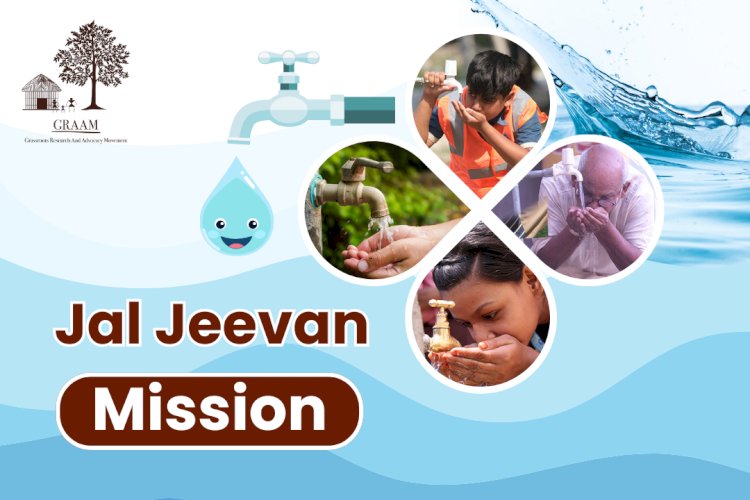
Jal Jeevan Mission aims to provide every rural household with a Functional Household Tap Connection while promoting source sustainability through rainwater harvesting, groundwater recharge, and greywater management.
AMRUT 2.0 focuses on universal urban water supply coverage, rejuvenation of water bodies, sewage management, and improved water-use efficiency in cities.
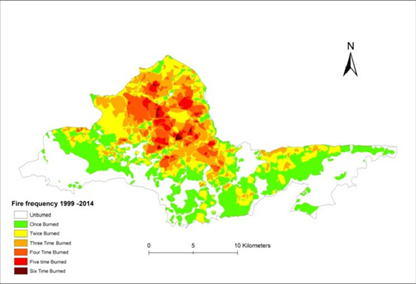
Enhancing Urban Water Management Under AMRUT 2.0
Pradhan Mantri Krishi Sinchayee Yojana (PMKSY) encourages efficient irrigation through drip and sprinkler technologies, helping farmers achieve "More Crop per Drop."
Atal Bhujal Yojana promotes community-led groundwater management and sustainable extraction practices in water-stressed regions.
Jal Sanchay Jan Bhagidari supports decentralized water conservation structures and community participation to improve groundwater recharge and local water security.
Together, these initiatives represent a shift from reactive crisis management towards long-term water resilience and sustainability.
The Way Forward
1. Promote Climate-Smart Agriculture
Encouraging crop diversification towards less water-intensive crops such as millets and pulses can significantly reduce pressure on groundwater resources while improving climate resilience.
2. Expand Micro-Irrigation
Scaling up precision irrigation technologies such as drip and sprinkler systems can improve water-use efficiency and agricultural productivity.
3. Build a Circular Water Economy
Wastewater should be treated as a valuable resource. Recycling and reusing treated water can reduce dependence on freshwater sources while minimizing pollution.
4. Restore Natural Ecosystems
Protecting wetlands, lakes, rivers, and groundwater recharge zones can strengthen long-term water security and ecosystem resilience.
5. Strengthen Community Participation
Empowering local communities to manage and conserve water resources creates accountability and improves the sustainability of water infrastructure.
6. Harness Technology
Smart sensors, GIS mapping, AI-driven monitoring systems, and data-based water management can support informed decision-making and efficient resource utilization.
Conclusion
India's water crisis is one of the defining sustainability challenges of the 21st century. However, it also presents an opportunity to rethink how water is managed, conserved, and valued. By combining policy support, technological innovation, ecosystem restoration, efficient resource use, and community participation, India can build a more resilient and water-secure future.
IDREA Perspective
Water conservation is not merely about safeguarding a natural resource; it is about securing livelihoods, strengthening climate resilience, protecting ecosystems, and ensuring sustainable development. As water stress intensifies across India, collaborative action among governments, industries, communities, and institutions will be essential to building long-term water security. Every drop conserved today contributes to a more resilient and sustainable future.